Climate, Food Systems, and Health
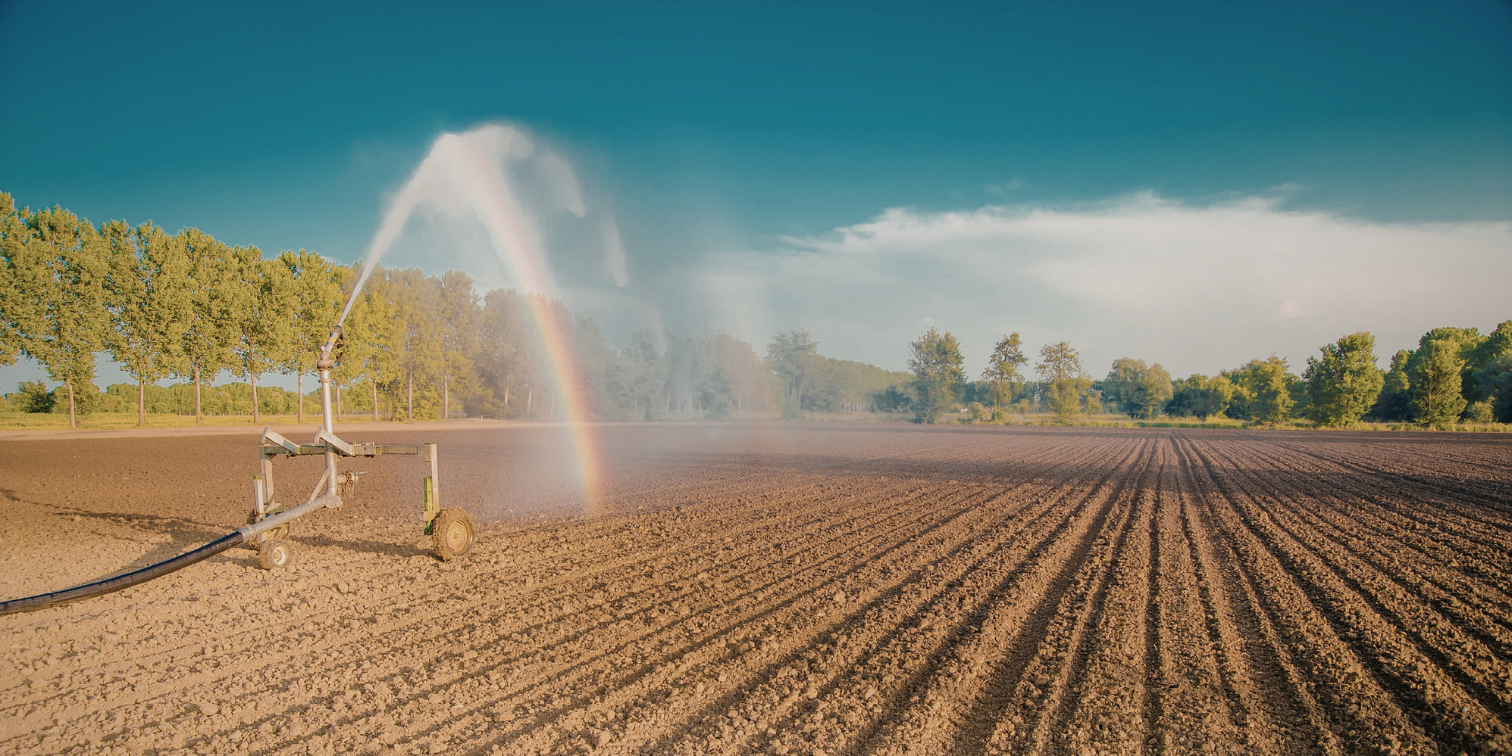
How climate variability and extreme events affect food availability, nutrition, and health outcomes, particularly in rural and mountain regions? Discussions will examine climate-induced stresses on agricultural productivity, food supply chains, and dietary diversity, and their implications for malnutrition, child health, and long-term human development in mountain regions.
Climate, Water Systems, and Health
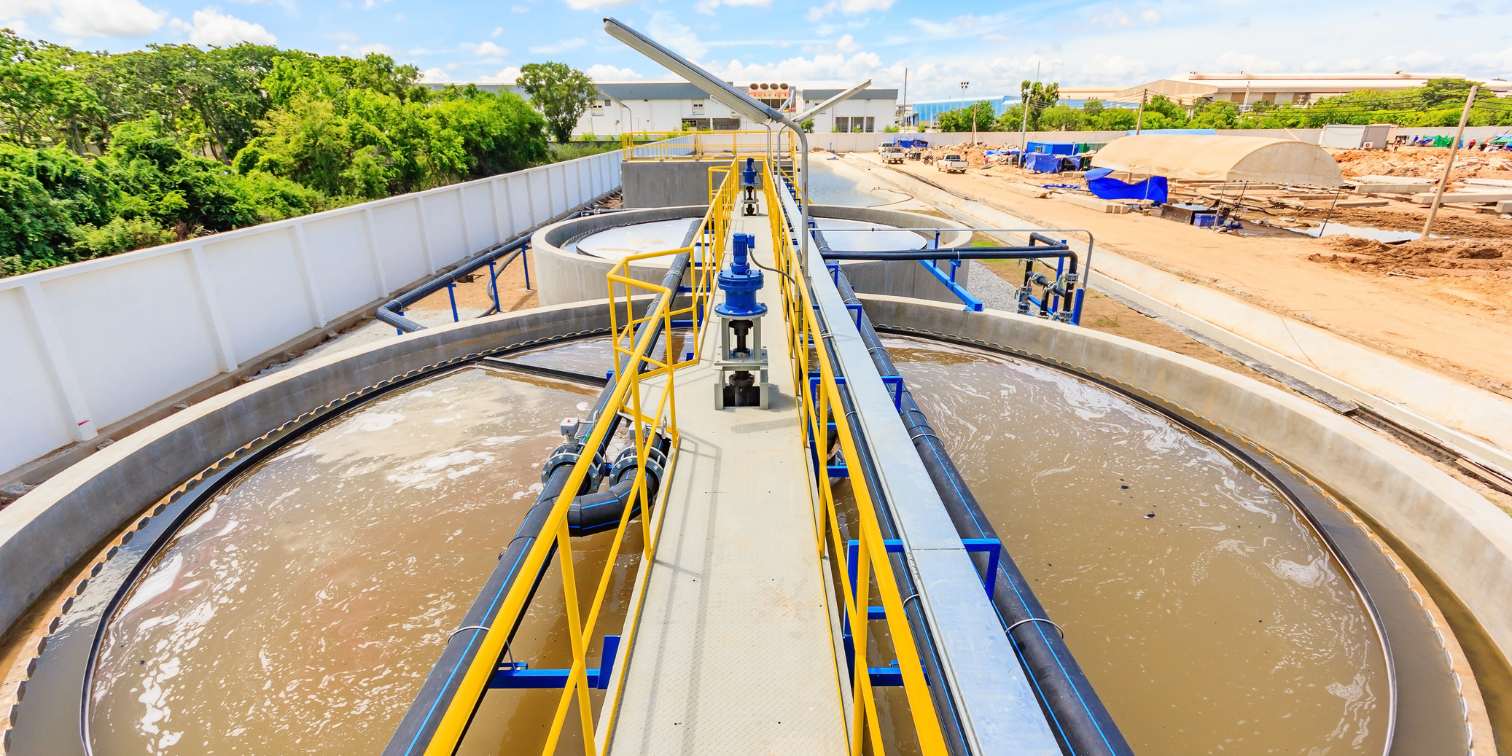
This theme focuses on the links between climate change, water availability and quality, sanitation, and disease risk across local and transboundary scales. Topics include glacier retreat and seasonal water scarcity; flood and drought impact on settlements and health infrastructure; water-borne and vector-related diseases; and the implications for public health preparedness in both urban and remote settings of the mountain regions.
Climate, Air Quality, and Health
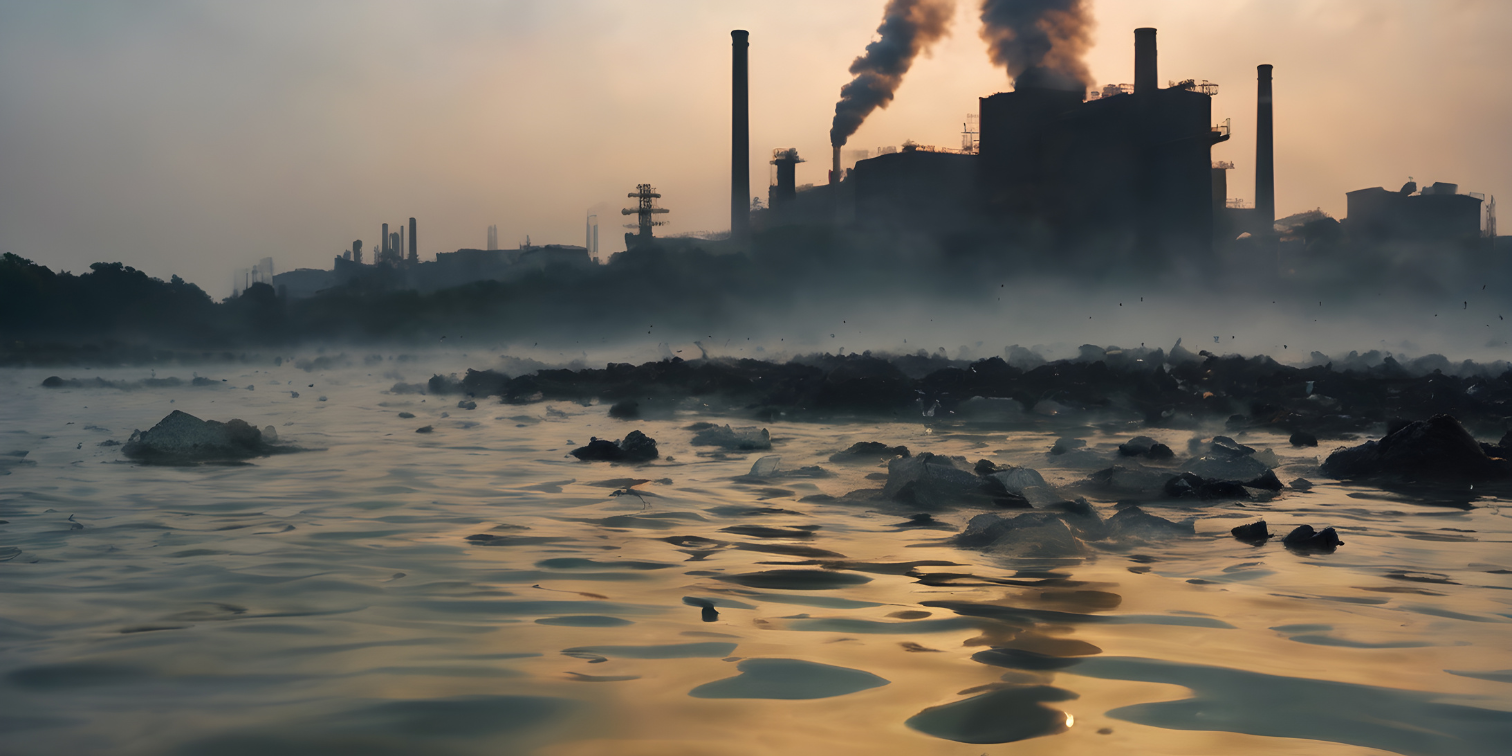
How rising temperatures, changing atmospheric conditions, and land-use pressures affect air quality and respiratory, cardiovascular and mental health? Particular attention will be paid to heat–air pollution interactions, indoor air quality in cold and high-altitude environments, and the physical and mental health implications of energy, heating, and transport transitions.
AI&Data for Climate-Health Action

Across all thematic areas, a dedicated cross-cutting strand will explore how data science, artificial intelligence, and digital tools can strengthen climate–health research, early warning systems, and policy decision-making relevant to the mountainous regions of Central Asia. Sessions will showcase emerging applications, examine ethical and governance considerations, and explore how technological innovation can support more anticipatory, preventive, and equitable responses to climate-related health risks.