
Digital Archive of Creative Lives
Naryn, Kyrgyz Republic
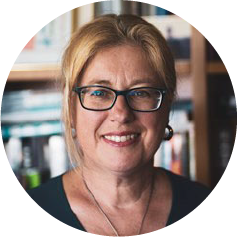
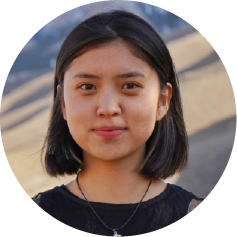
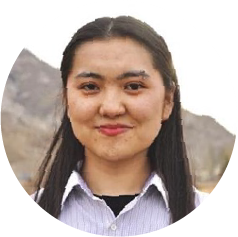
TEAM MEMBERS
|
Elena |
Nurkamal |
Aizhamal |
|
|
- Limited visibility of local creative and digital professionals beyond the region.
- Outmigration of youth due to restricted local economic opportunities.
- Weak integration between education, creative industries, and emerging digital work models.
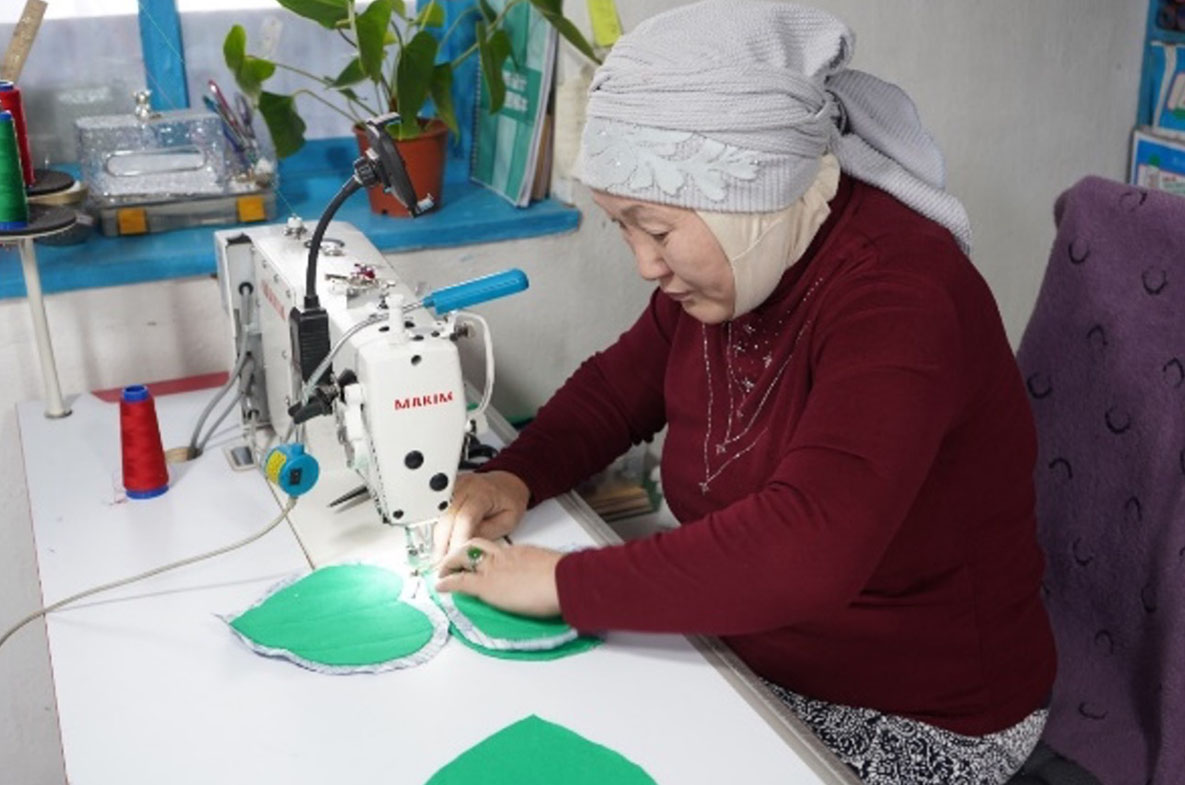
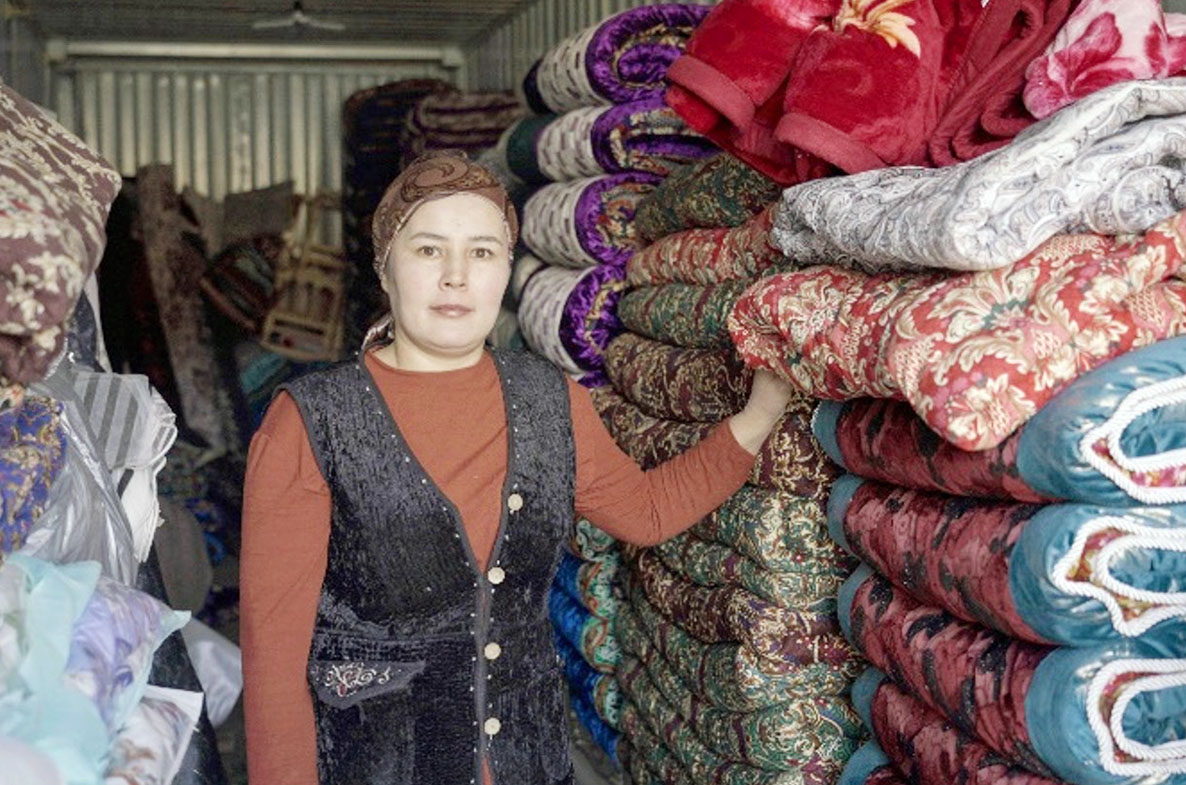
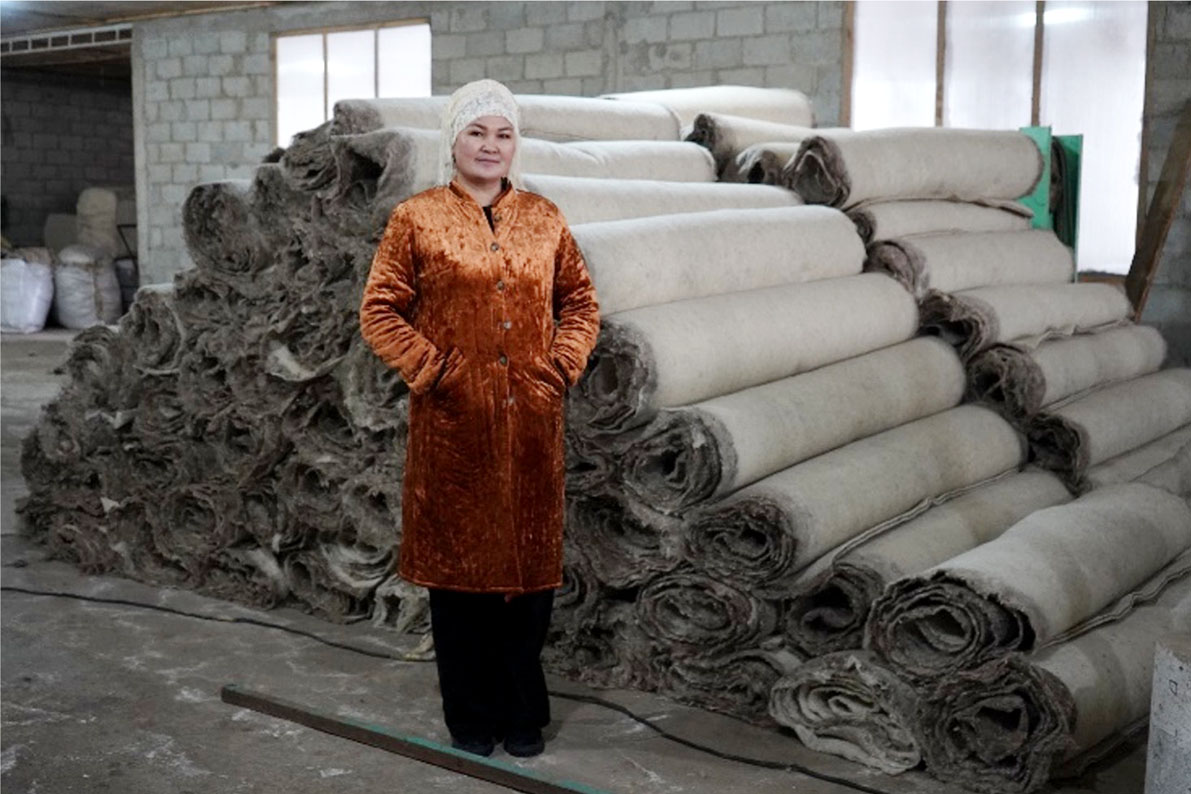
- Document and showcase women’s creative practices and experiences in Naryn and the surrounding areas.
- Develop a digital platform to increase visibility of local talent and cultural production.
- Strengthening links between youth, education, and digital economies.
- Test how digital tools can support inclusive, place-based development.
- Background research on creative industries, cultural heritage, and digital storytelling.
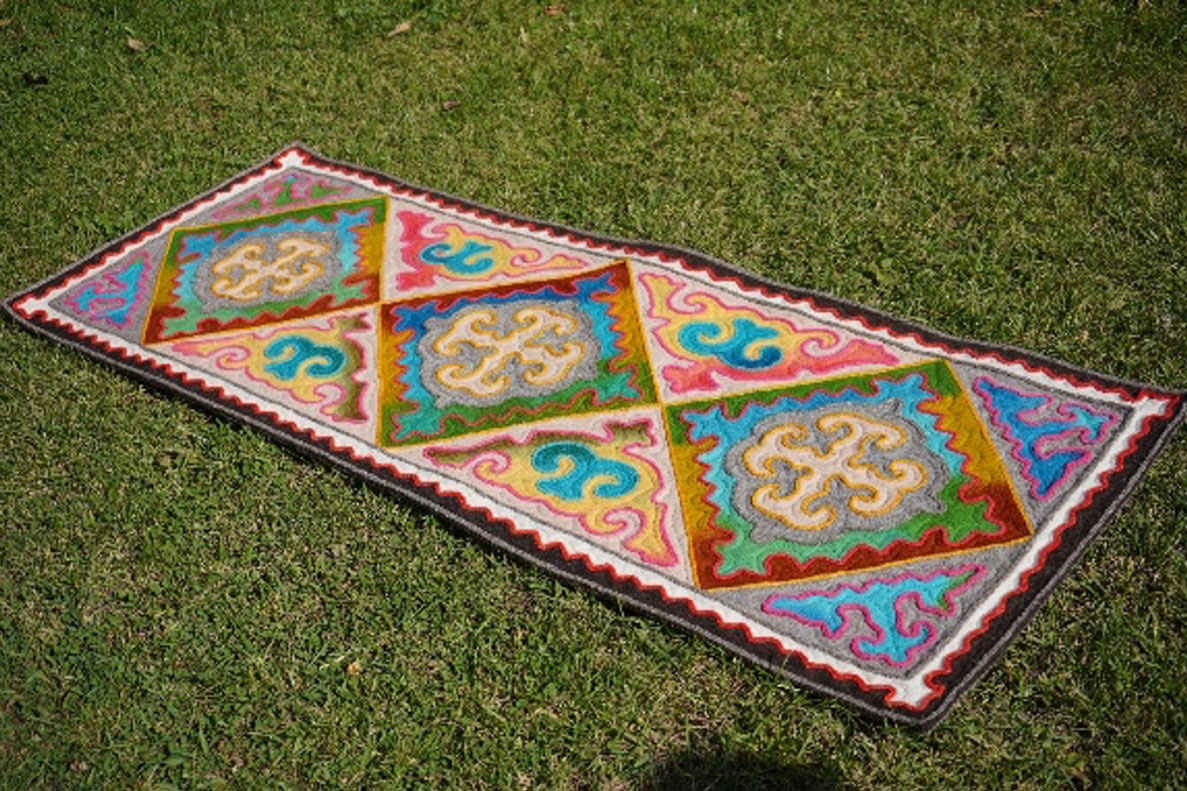
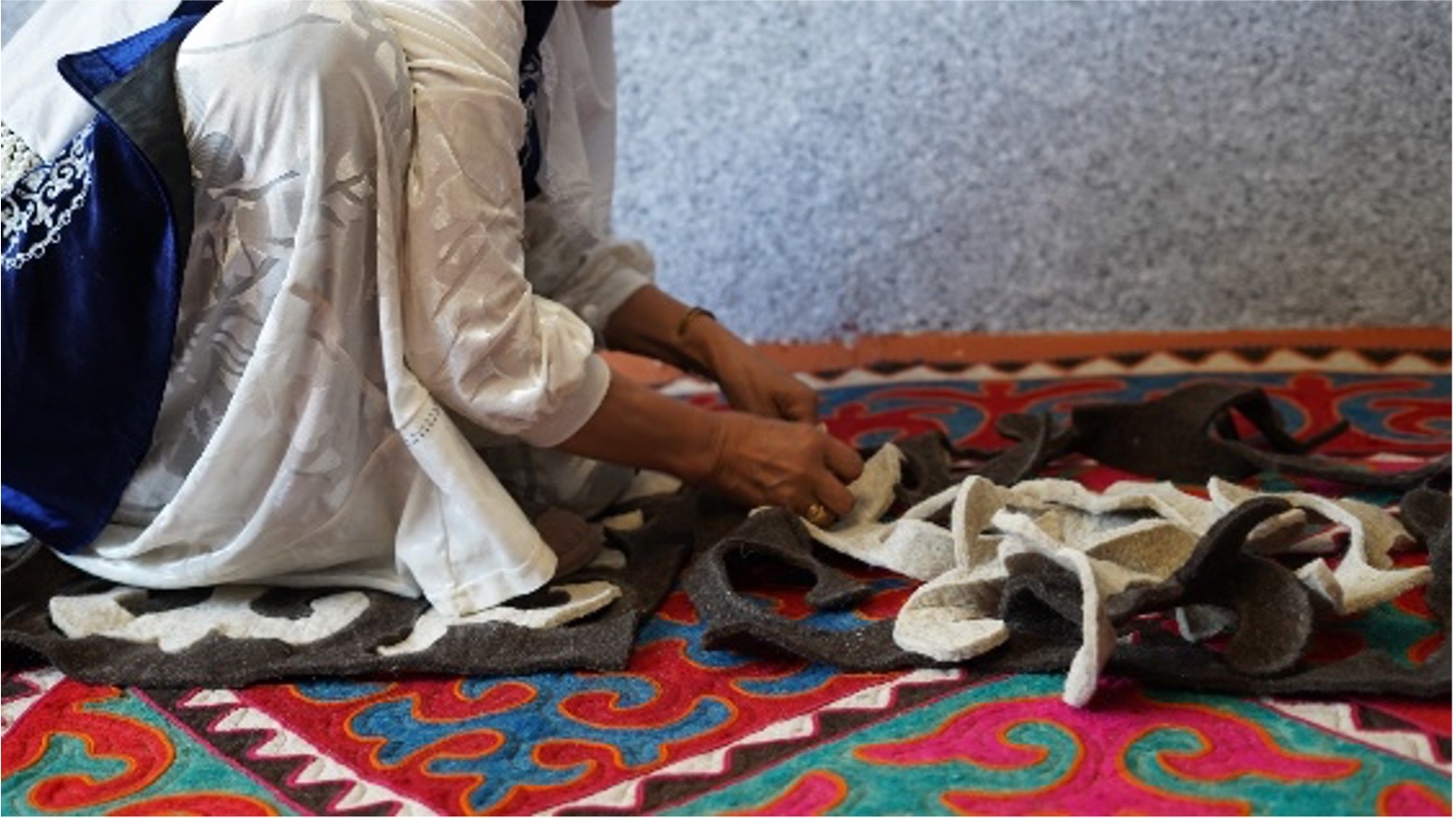
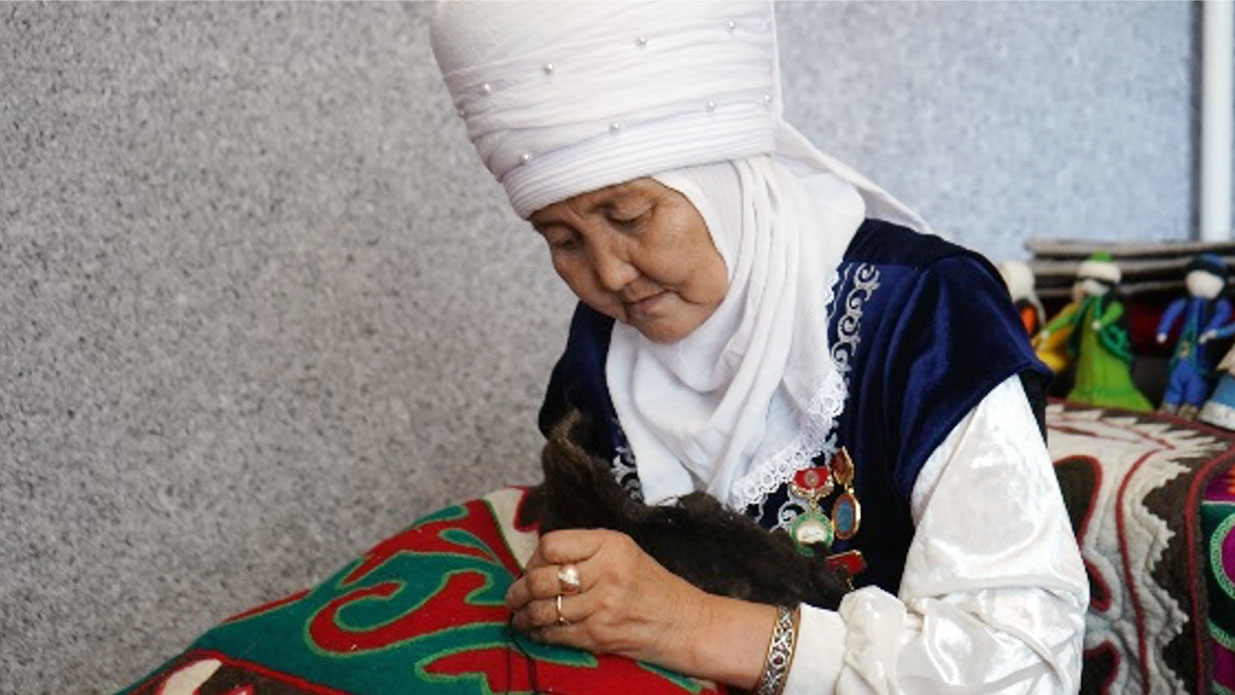
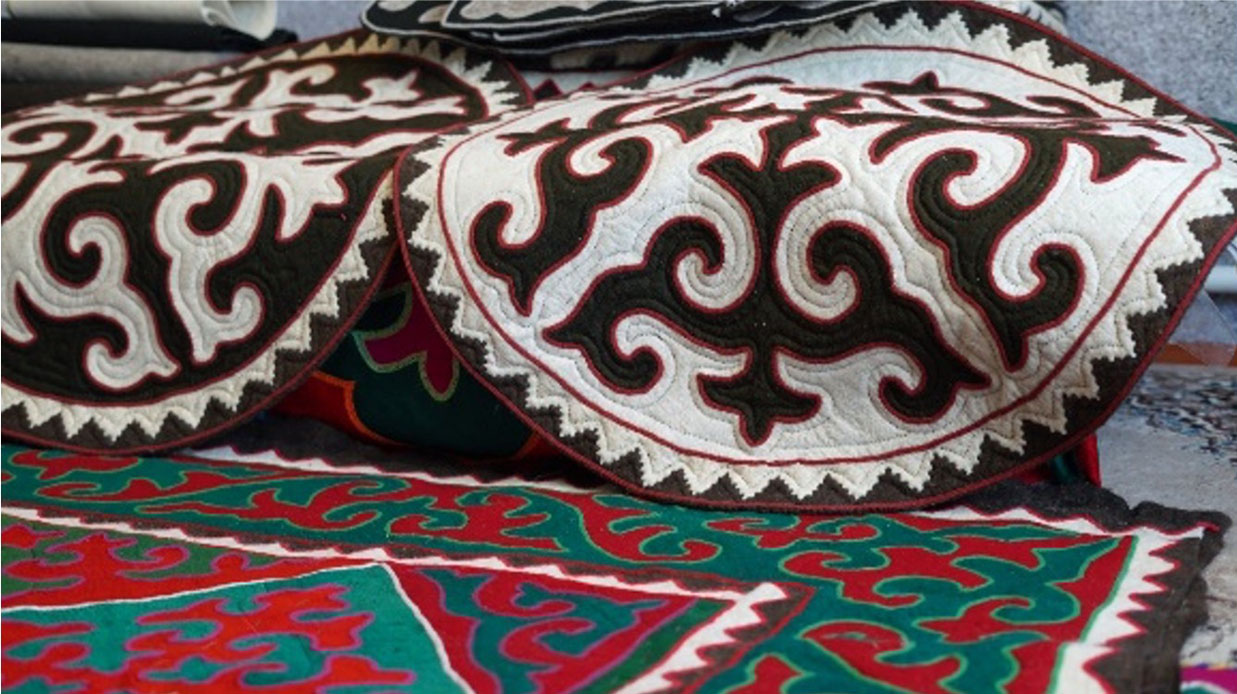
- Fieldwork and interviews with women creatives and craft practitioners in Naryn and the surrounding areas.
- Collection of audios, video, and photographic materials.
- Transcription, translation, and content preparation.
- Conceptual development of a bilingual (Kyrgyz English) digital archive, including story formats, content structure, and principles of ethical representation.
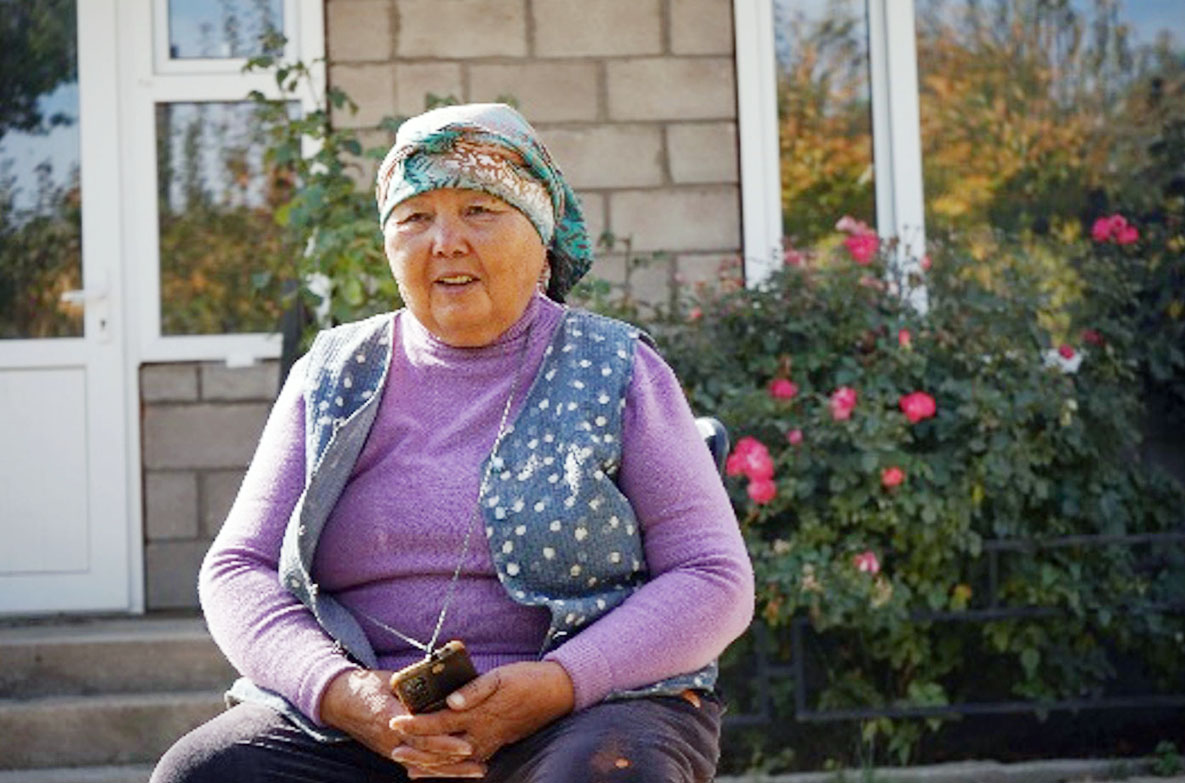
- A curated collection of interviews documenting lives and indigenous knowledge.
- Audio, video, and photographic materials prepared for digital publication.
- A prototype structure and content framework for a bilingual digital archive website, including narrative formats, profiles, and visual direction.
- Strengthening collaboration between students, faculty, and local communities.
- Logistical and scheduling constraints: Fieldwork depended on participant availability and seasonal workloads, requiring flexible planning.
- Technical coordination needs: Website development requires additional coordination and clarity on technical requirements.
- Time and capacity constraints: Balancing research, fieldwork, content production, and academic responsibilities affected project pacing.
Through the project, the team developed skills in:
- Ethical fieldwork and informed consent processes,
- Oral history interviewing and qualitative research,
- Audio, video, and photographic documentation,
- Multilingual transcription and translation,
- Digital content organisation and platform planning.
The project also enabled peer learning and interdisciplinary collaboration between research, media, and technology-focused students.
Future Potential & Scalability
|