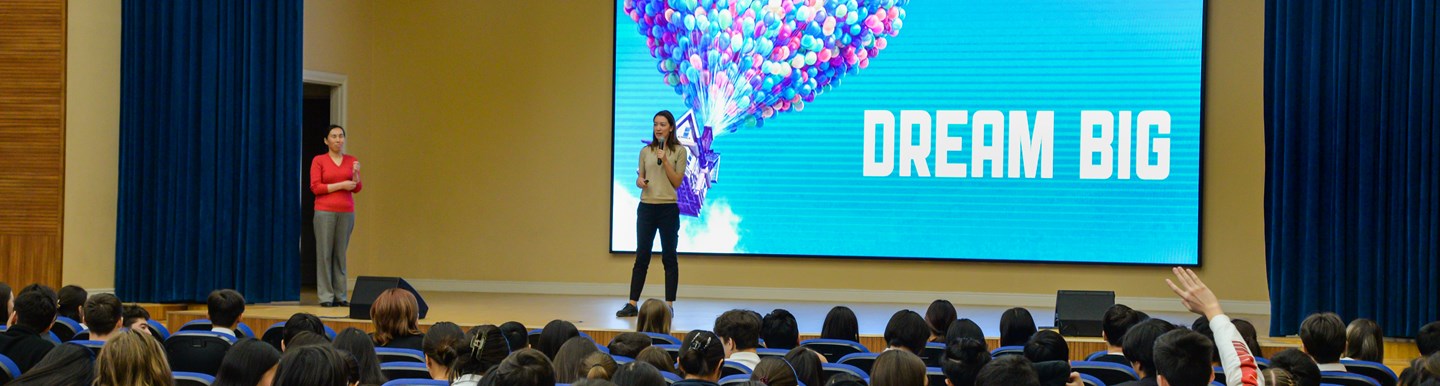
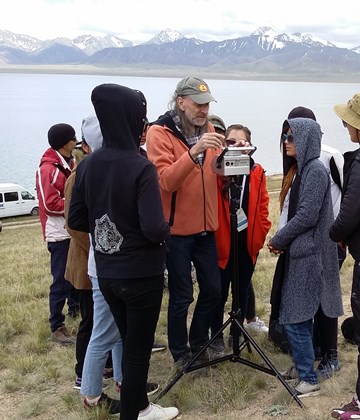
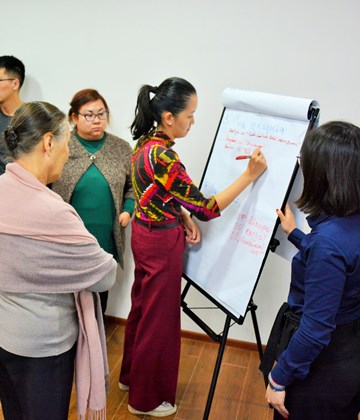
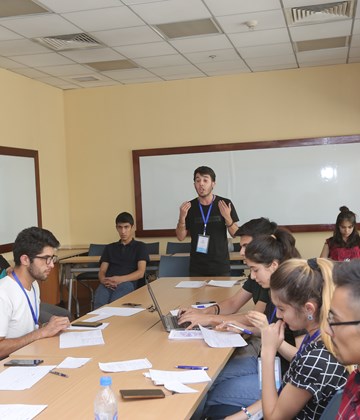
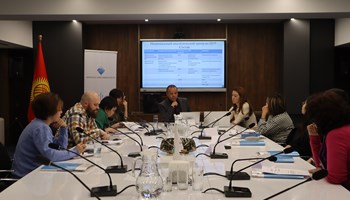
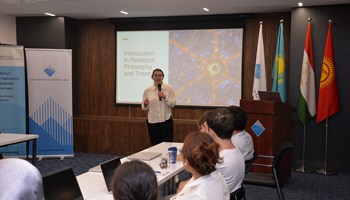
The Graduate School of Development (GSD) is the home for multidisciplinary research on Central Asia's social, economic, and cultural development. GSD is comprised of five entities, each of which has achieved a significant presence in the Central Asian knowledge landscape. They have forged regional networks of universities, researchers, and communities of practice and established international collaborations. With over 150 publications on its website available for free download, GSD is a singular storehouse of knowledge.
Priorities
This multidisciplinary configuration means that GSD is well-positioned to address the challenges facing Central Asia by drawing on the natural and environmental sciences, the economic and social sciences, and on the humanities and cultural studies. It also means we are well-positioned for collaboration with other research institutes, here and abroad, as well as with the international donor community, think tanks, civil society and governments.
GSD’s work is concentrated around several key themes that capture the challenges facing the Central Asian region and that have a wider international relevance also:
- Climate change – it’s effects and policies to mitigate them
- Quality of life – through promoting equality, opportunity and prosperity
- Community engagement – from civic participation to preserving cultural heritage
- Sustainable Development – monitoring and impacting the SDGs for Central Asia
Research and Development
GSD has produced well over 150 publications since 2012, including some in leading field journals across the GSD disciplines, and has created an unparalleled storehouse of knowledge in the form of working papers, reports, books, and peer-reviewed articles in multiple languages. GSD research production is accelerating too.
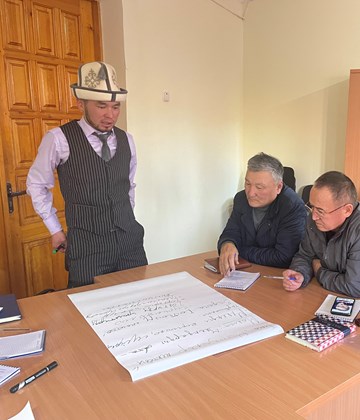
In 2026, GSD researchers produced many peer-reviewed publications and expanded collaborations with national partners in government and academic as well as leading international partners, including the World Bank, UNDP, GIZ and the European Union. Through research, policy dialogue and capacity-building, GSD contributes to UCA's broader mission of supporting sustainable and inclusive development across Central Asia. Through this work we produce scholarly research to contribute to international literature but also which has practical and impactful benefit to the people of Central Asia and is disseminated through numerous other channels and means.
Executive Education
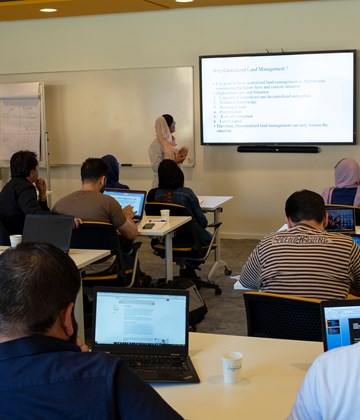
Executive Education at UCA’s Graduate School of Development equips leaders, managers and practitioners across Central Asia with the knowledge and practical skills needed to address the region’s evolving social, economic and institutional challenges. Its programmes draw on UCA’s research, academic expertise and regional partnerships, translating knowledge into practical learning that strengthens institutional capacity, and leadership development.
The portfolio is organised around five thematic areas aligned with UCA’s research strengths and Central Asia’s sustainable development priorities: economic development and public policy; climate resilience and environmental sustainability; digital transformation and cybersecurity; leadership and institutional development; and higher education excellence. Across these areas, UCA offers practice-oriented programmes for professionals and institutions, while developing new offerings in response to emerging regional needs. Digital skills development is a growing area of focus. In response to increasing regional demand, UCA launched its Cybersecurity Specialist Programme in 2025. Delivered online by UCA faculty, this extended format programme develops practical expertise in cybersecurity and digital resilience and is among the first initiatives of its kind in Kyrgyzstan. The inaugural cohort graduated in 2026, with women comprising 50% of graduates and alumni securing employment across the banking and telecommunications sectors.
Postgraduate Studies
The introduction of postgraduate education marks an important milestone in UCA's evolution from a strong undergraduate institution towards a more comprehensive research and graduate university.
MSc in Economics and Data Science, the University's first Master’s degree programme, with the inaugural cohort set began in autumn 2026. Designed to equip graduates with advanced analytical, quantitative and economic policy skills, the programme reflects UCA’s commitment to advancing sustainable development and addressing regional challenges through rigorous, data-informed research and policymaking.
Building on this foundation, UCA is developing two additional graduate programmes aligned with its mission and research strengths:
- MSc in Climate Change Adaptation— focused on climate resilience, environmental change and sustainable development in mountain regions
- MA in Heritage, Culture and Society in Central Asia — exploring the region's rich cultural heritage, identities and social transformations
Together, these programmes represent the first phase of UCA's postgraduate expansion and reflect the University's growing role as a centre for advanced education, research and knowledge generation in Central Asia.