

Vertical Farming for Sustainable Food Security
Khorog, Tajikistan
TEAM MEMBERS
|
Aslam |
Anisa |
Alina |
Farishtamoh |
Zamira |
Nigina |






|
- Scarce flat arable land suitable for agriculture.
- Long cold winters and short growing seasons.
- Dependence on imported vegetables leads to higher costs and weakens food security.
- Limited exposure to modern, space-efficient farming techniques.
These challenges can be amplified by climate change and urban densification.
The Vertical Farming Initiative aims to:
- Design and test a low-cost vertical farming system suitable for Khorog’s conditions.
- Demonstrate year-round vegetable production in an indoor space,
- Build student capacity in urban agriculture, prototyping, and monitoring.
- Raise awareness of alternative food production methods among residents.
- Research on vertical farming models adapted to cold and high-altitude environments.
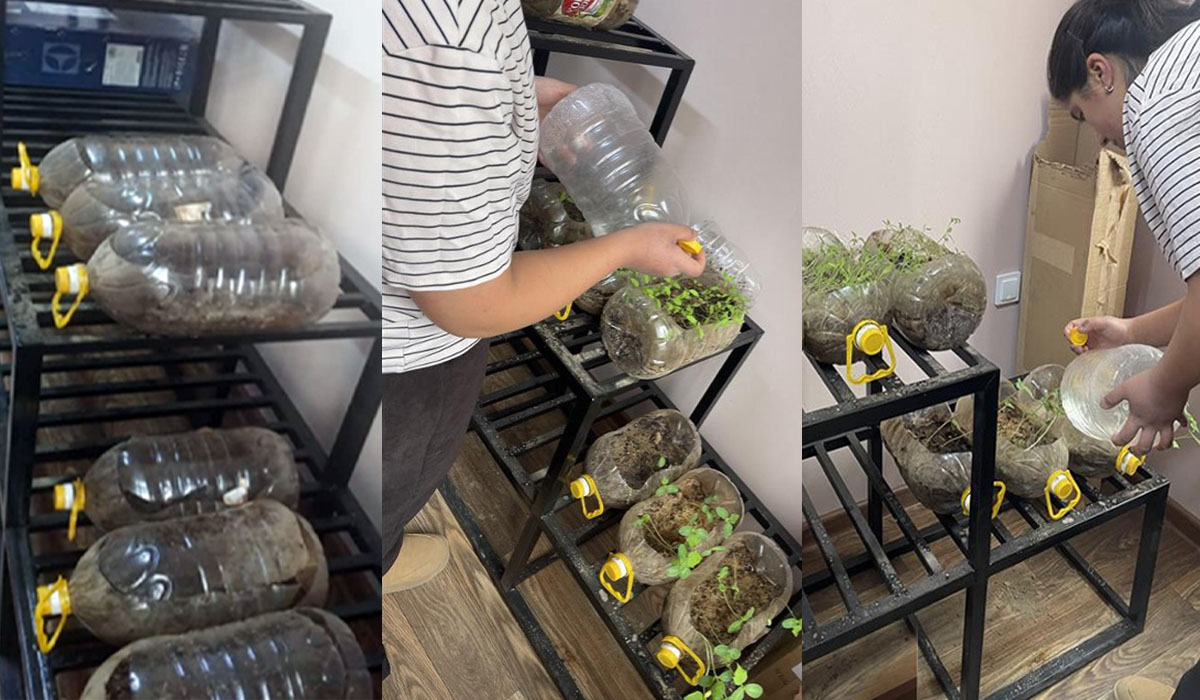
- Design and construction of a pilot vertical farming structure using locally available materials.
- Selection and planting suitable crops with short growth cycles.
- Monitoring of plant growth, water use, and maintenance requirements.
The pilot system was installed indoors to protect crops from extreme temperatures, allowing for controlled conditions and consistent production.
- The hydroponic vertical farming system was successfully procured and delivered, and the project is now technically ready for implementation with all core equipment in place.
- Multiple crop cultivation and soil testing trials were conducted across different locations in Khorog to assess soil quality and local growing conditions.
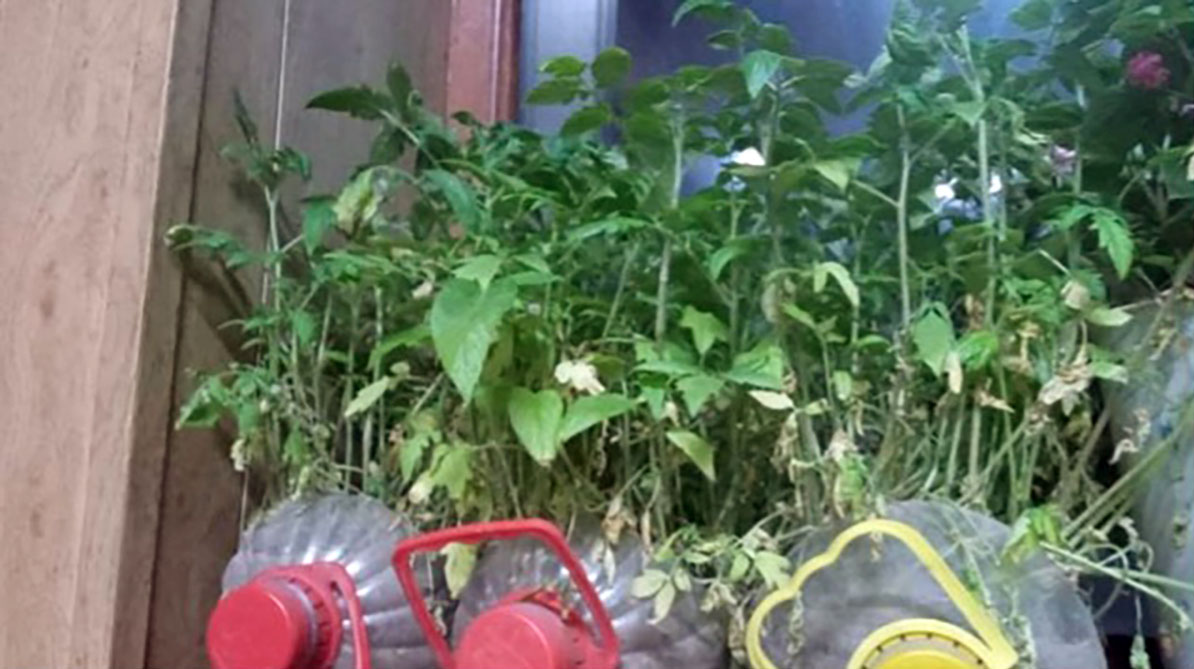
- Seedlings were successfully grown in soil and prepared for transfer, with early-stage plant development completed and crops now ready to be relocated into the hydroponic system.
- Logistics planning is critical for projects in remote locations and should be prioritised from the early design stage.
- Project timelines must align crop growth cycles with equipment procurement and delivery schedules to avoid implementation delays.
- Small-scale initiatives benefit from cost-effective equipment selection and careful budget allocation to minimise financial and operational risks.
- Limited availability of local expertise in agriculture and biological sciences highlighted the need to secure technical mentorship early in the project lifecycle.
Through the project, students gained practical experience in:
- Urban agriculture and food system innovation.
- Prototyping and testing under real-world constraints.
- Data collection and observation,
- Team coordination and project documentation.
Future Potential & Scalability
|