

Related Items


Women Leaders Across Central Asia Gathered in Tashkent to Shape a More Resilient and Inclusive Future
The University of Central Asia, in partnership with the Aga Khan University (AKU), hosted the regional forum “Civil Society for a Sustainable Future: Advancing Philanthropy and Cross-Sector Collaboration for the Public Good.” The event took place within the framework of Tashkent’s Civil Society Week 2025, a major regional platform focused on resilience, inclusion, and multi-sector cooperation.
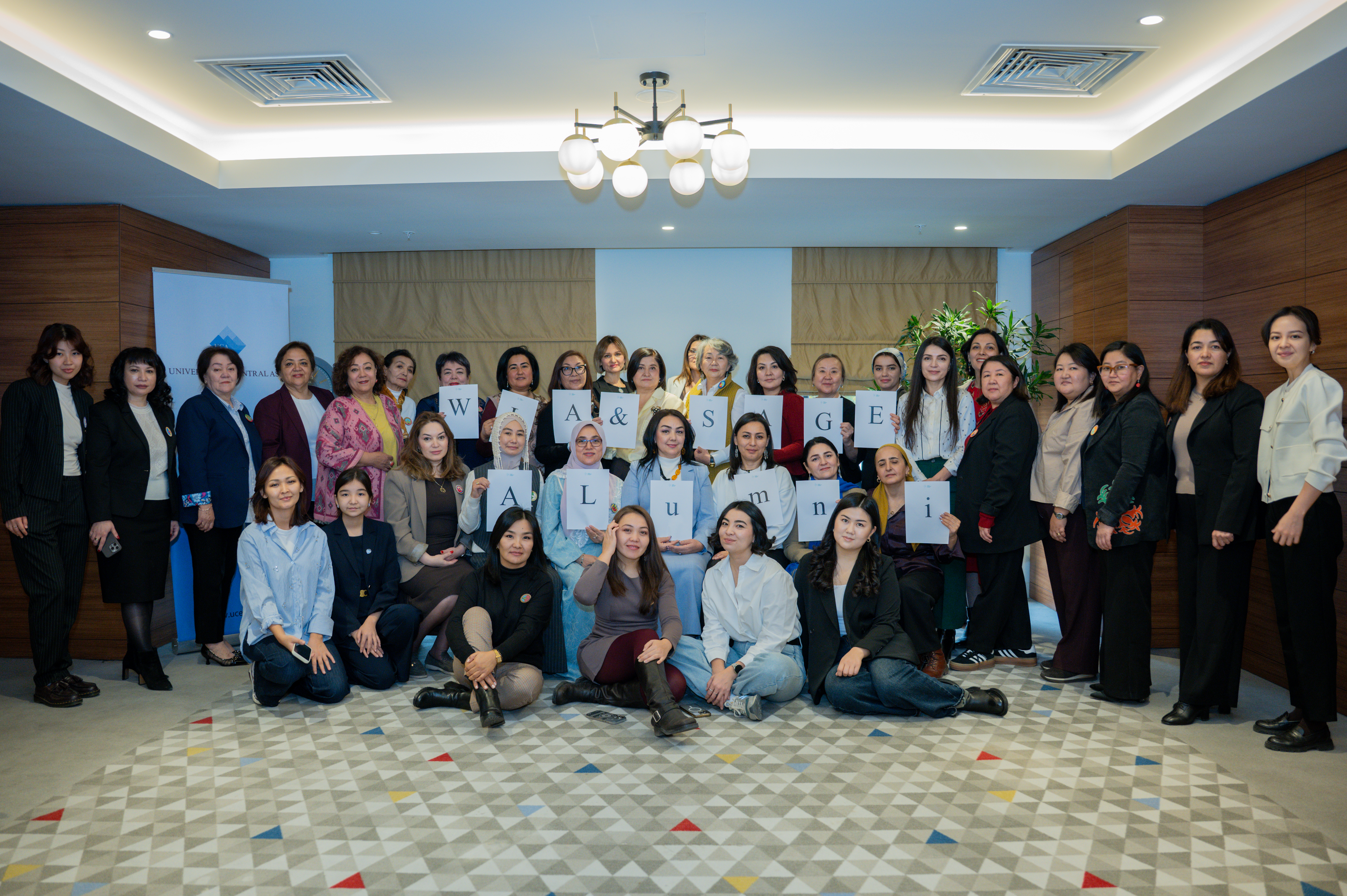
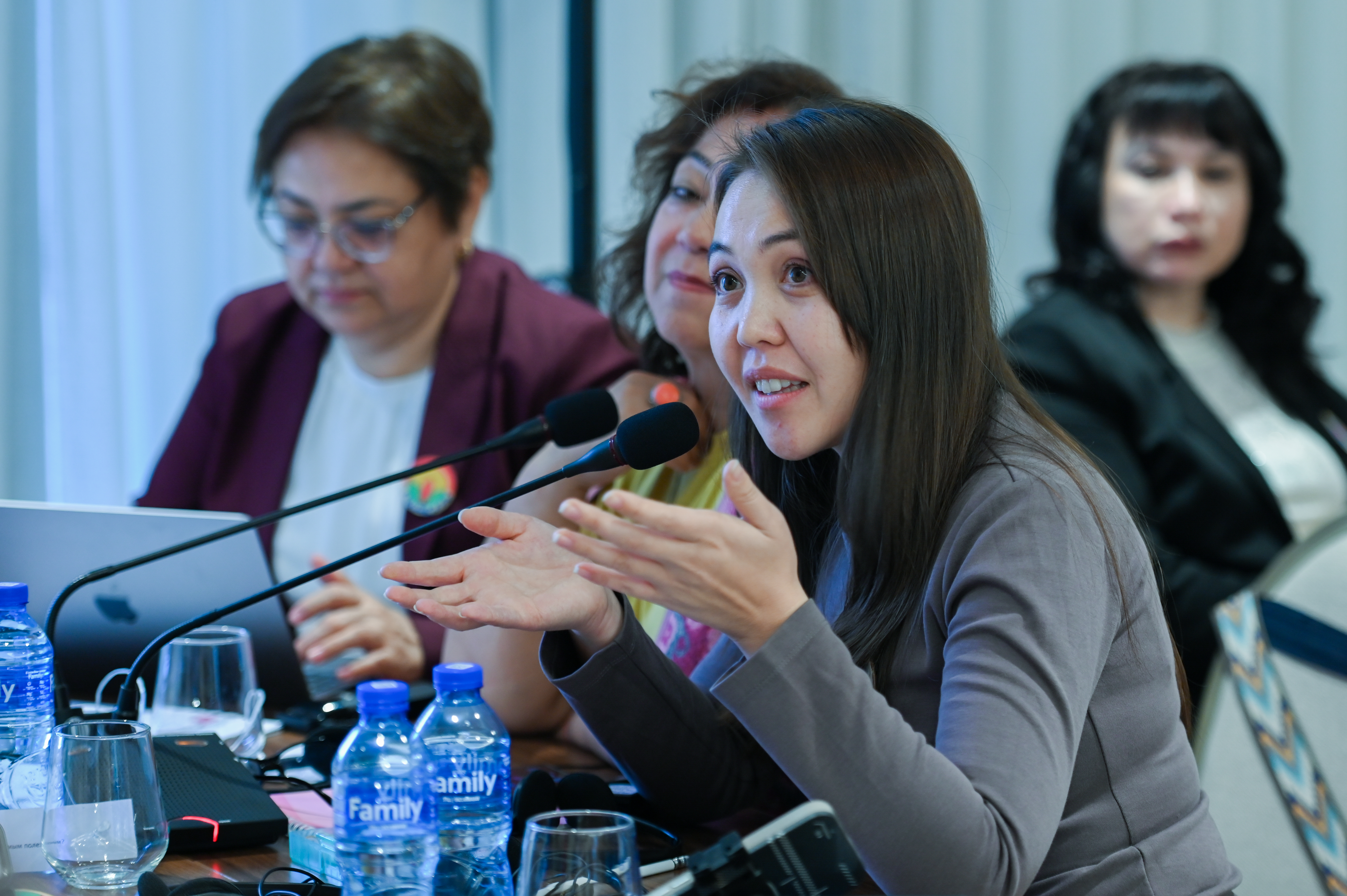
The forum brought together alumnae of the UCA’s Women Leadership Academy (WLA) and the School for the Advancement of Gender Equality (SAGE) from Kyrgyzstan, Tajikistan, Uzbekistan, and Kazakhstan. Participants gathered to exchange experiences, showcase achievements, and strengthen partnerships between civil society organisations, academic institutions, and the private sector.
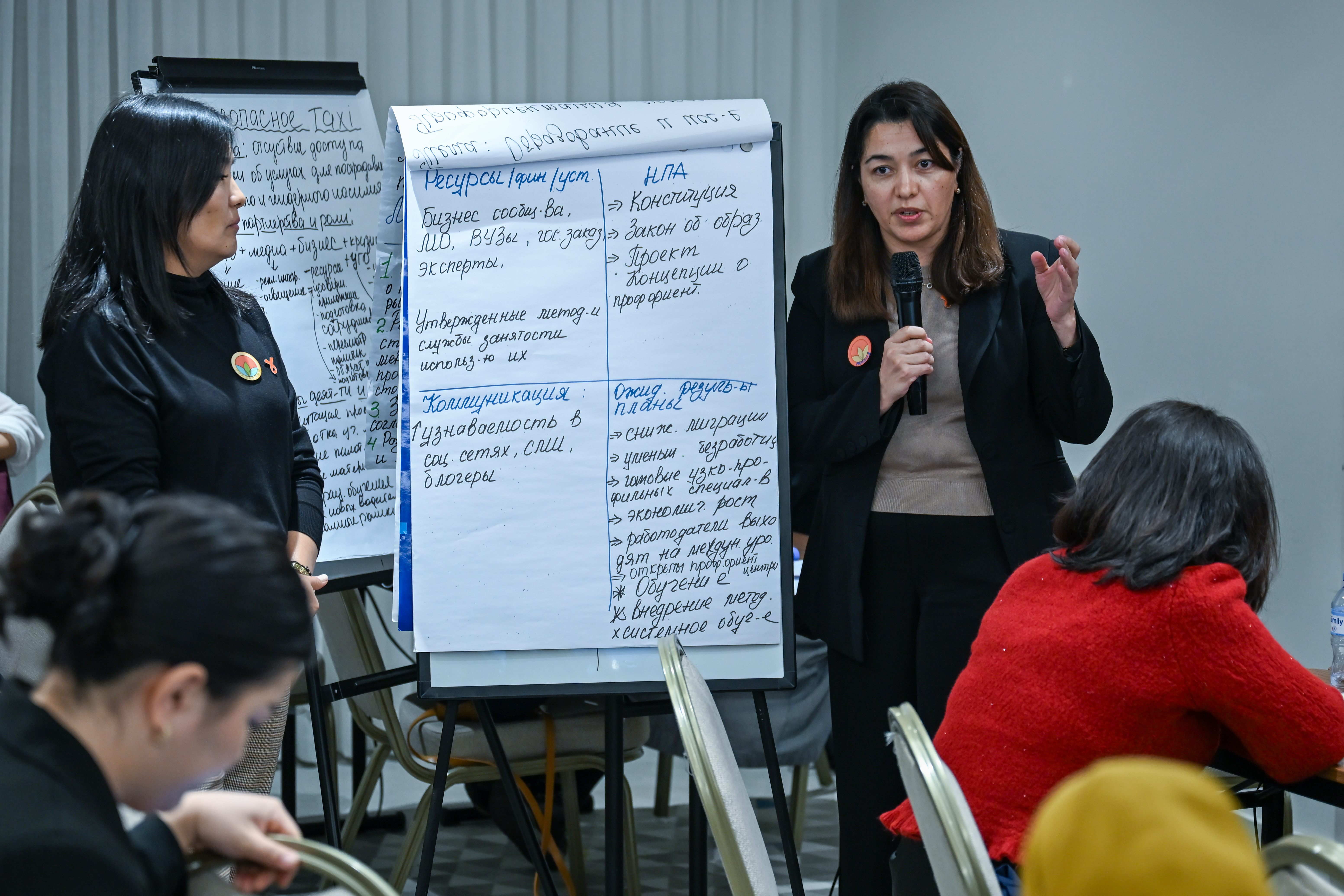
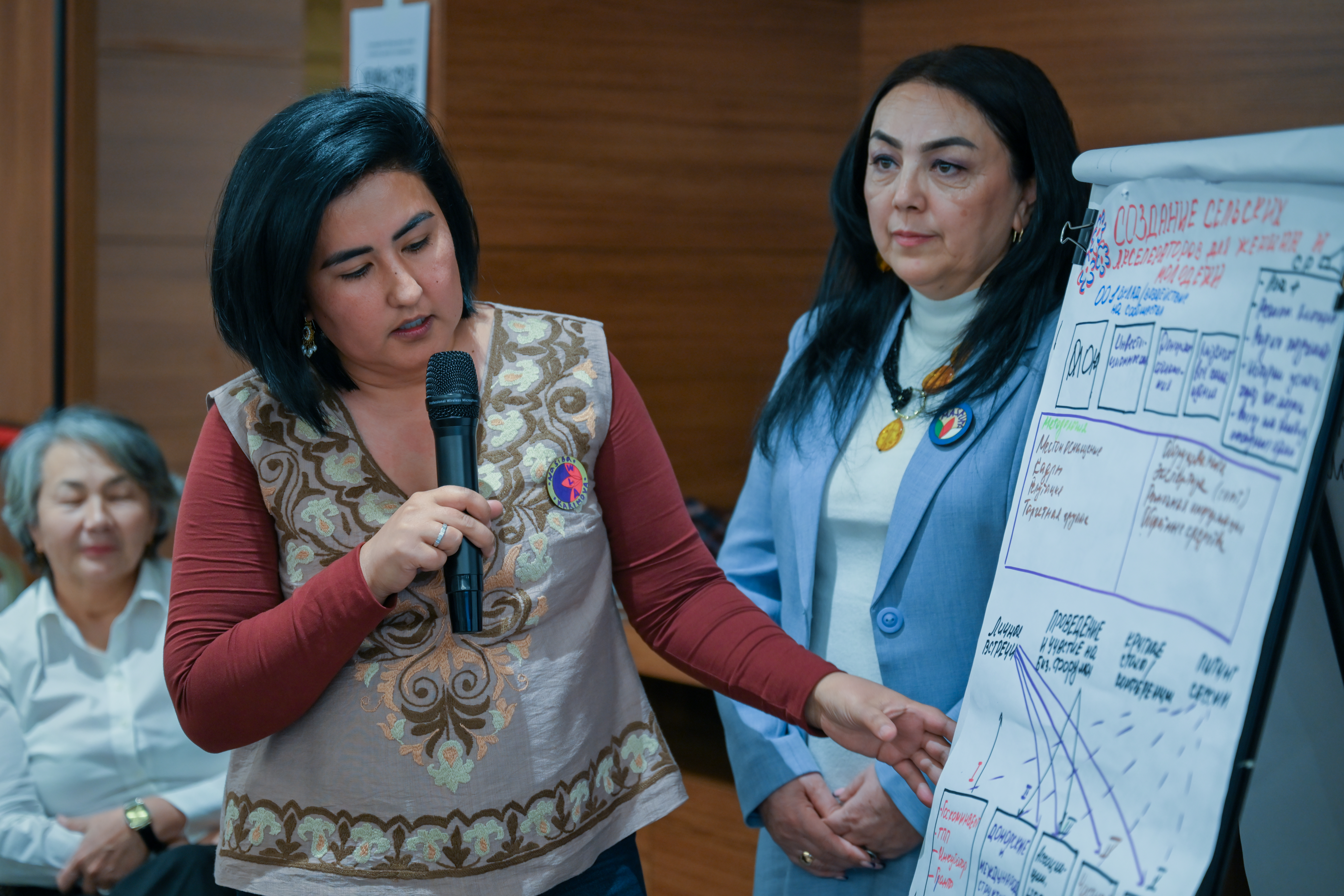
The regional gathering aimed to reinforce the active engagement of WLA and SAGE alumnae in civic initiatives by supporting the long-term sustainability of their professional networks. It encouraged deeper cooperation between civil society, academia, and business, creating practical opportunities for joint action on pressing social challenges. At the same time, the forum highlighted the contribution of women leaders to advancing gender equality and social inclusion across Central Asia and offered capacity-building sessions designed to strengthen the durability of alumnae-led projects.
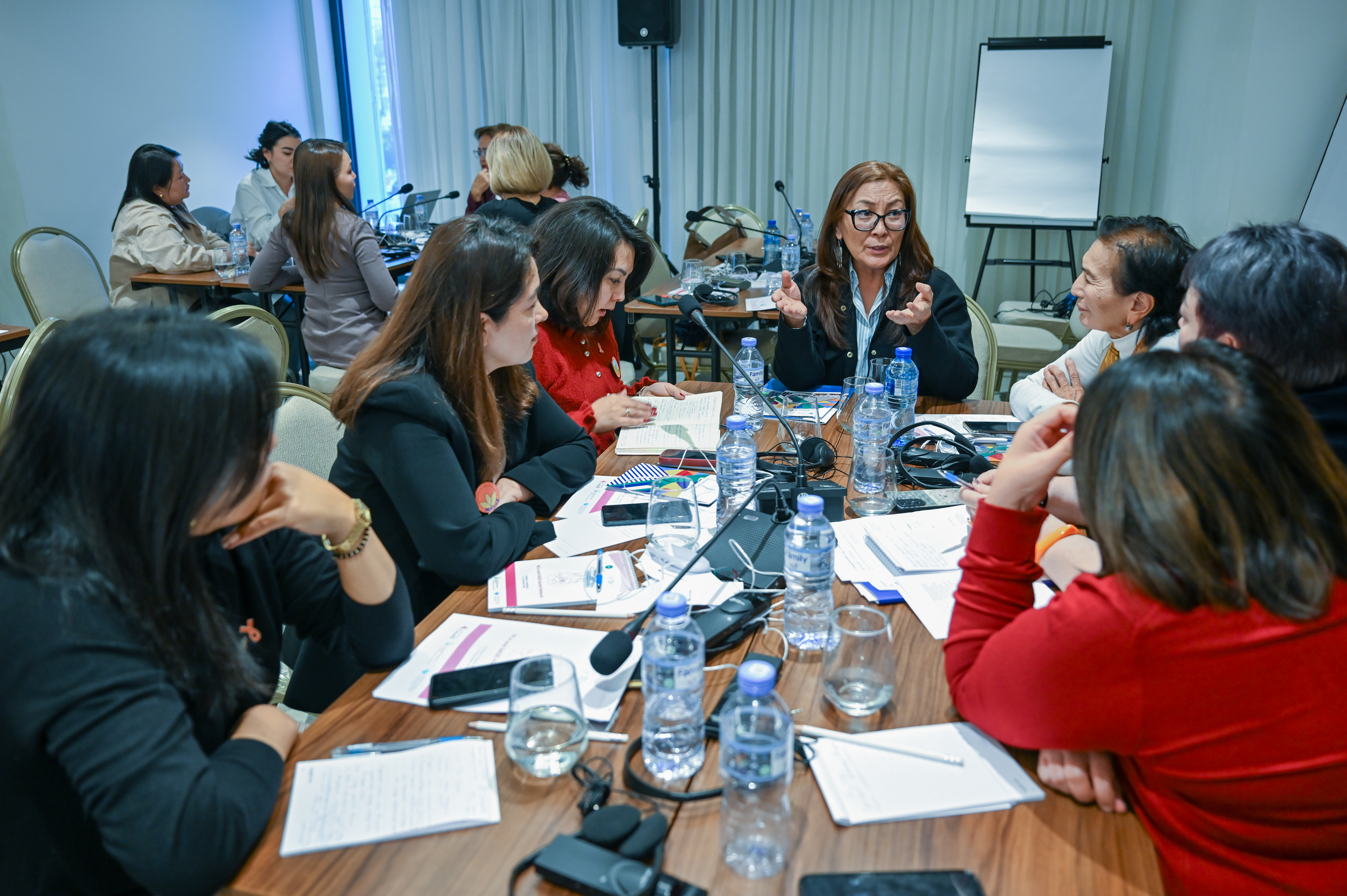
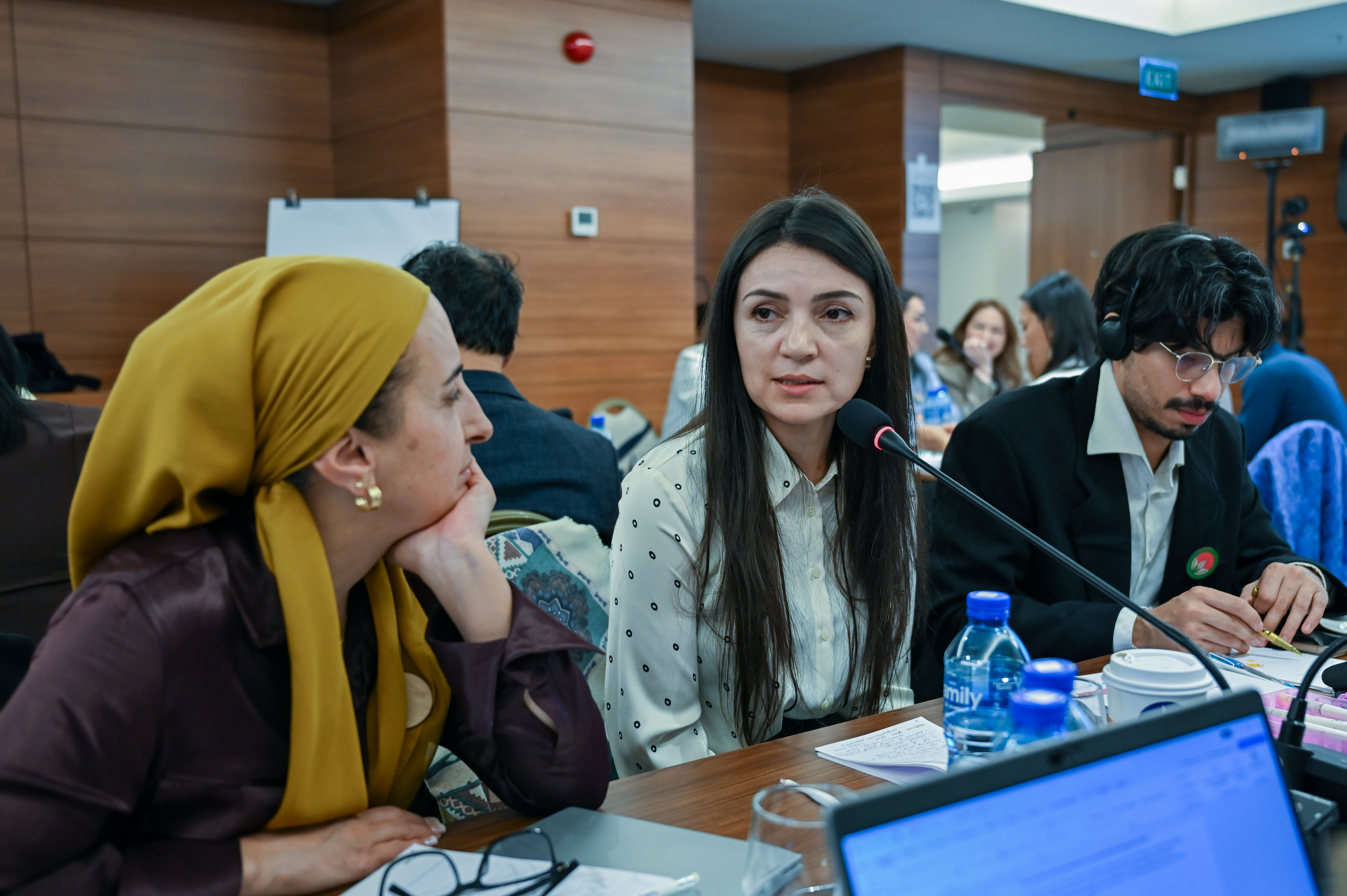
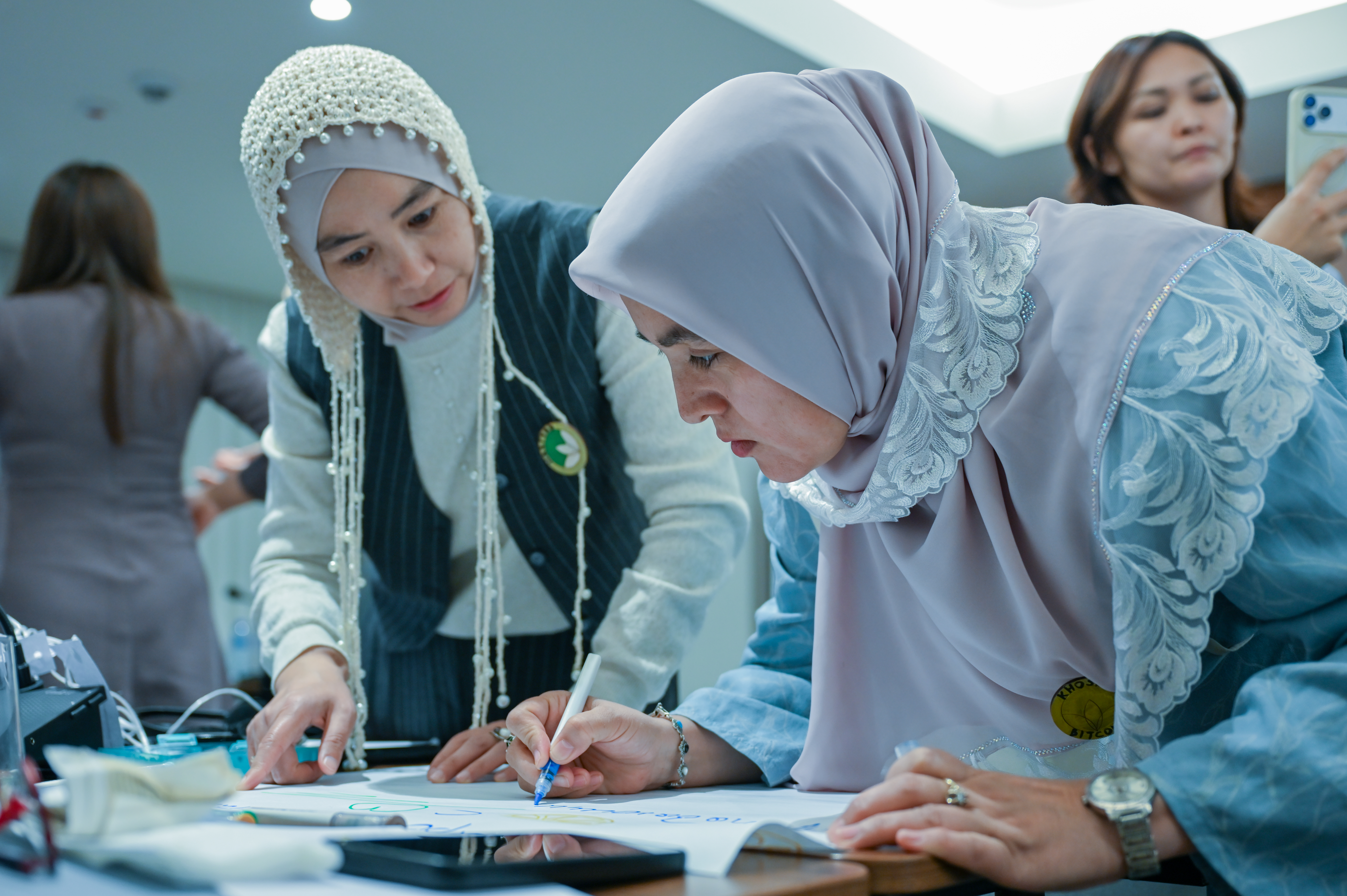
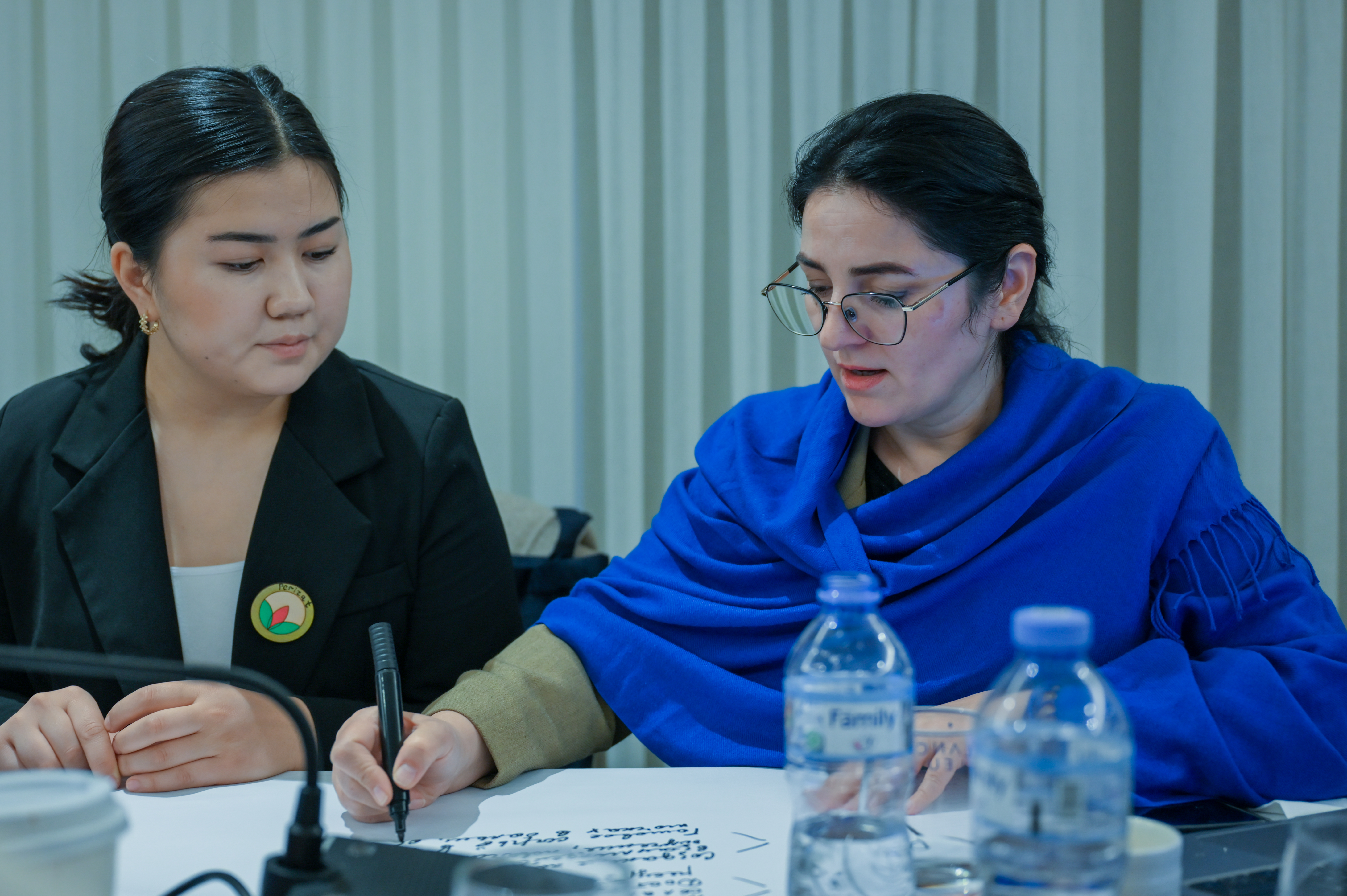
WLA alumnae emphasised the transformative impact of the academy on their professional and personal growth. “The WLA inspired me to create a project similar in Tajikistan for young people in my community,” said Aziza Umarova. “I work in the education sector and see many young women with great ideas and ambitions, but who struggle to express themselves or turn their ideas into action. I planned to look for financial support to give young people—especially young women—an opportunity to develop their potential and prepare more future women leaders.”
For Begaim Uruzokhonova, the WLA experience strengthened essential competencies needed for leadership. “The main lessons I learned were that everyone needs strong communication skills, the ability to collaborate with the private sector, as well as critical thinking and financial literacy. All these skills were provided to us through practical exercises, personal meetings, and individual consultations.”
Several alumnae highlighted the confidence and mindset shifts they experienced during the programme. Nazgul Abdukerim added: “Before the WLA, I did not understand why gender-disaggregated data matters, but the academy helped me realise the different pressures women face and why they need additional support.”
From the SAGE alumnae, Khosiyatkhon Komilova shared how the programme directly contributed to real impact in her community. “Through SAGE, I received a grant to train media professionals on gender equality and gender-sensitive reporting. The project was implemented very successfully. The training brought together 40 participants from the Khatlon and Sughd regions, both men and women, and its impact was significant.”