



Robotics: Integration in Education and Development in the Naryn Region
The University of Central Asia’s School of Arts and Science (UCA) in Naryn hosted an event on “Robotics: Integration in Education and Development” in collaboration with the Naryn branch of the National Children’s Technical Academy “Altyn Tuyun.”
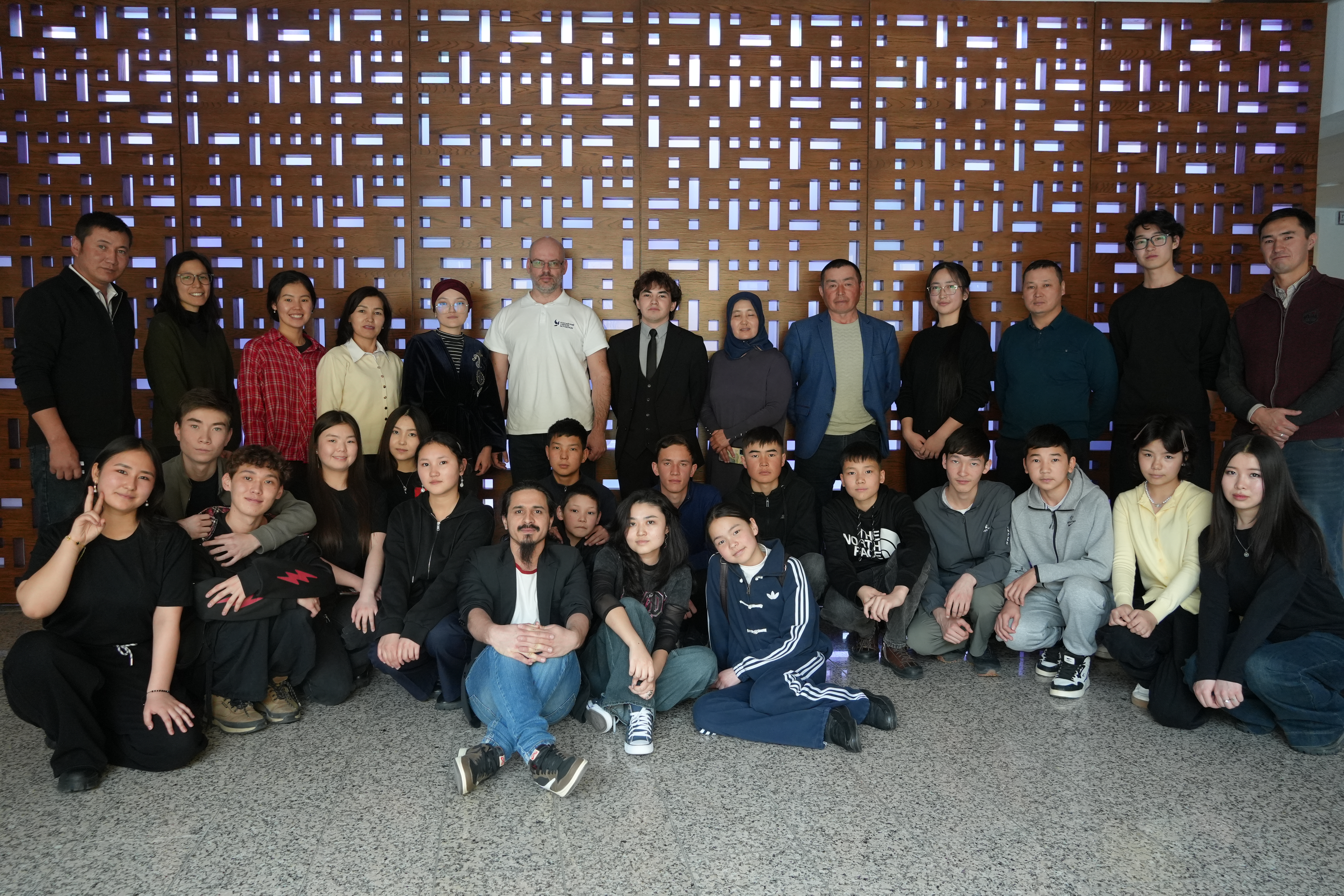
The event brought together around 40 participants, including school teachers, university faculty, and students from the IT College, Agrarian and Technology College, and schools in Ak-Talaa and other districts to discuss the role of robotics and emerging technologies in modern education.
The programme featured presentations on robotics education and technology-based learning. Participants were introduced to the work of a local school robotics team, which demonstrated its robot and shared insights into the FIRST Robotics Competition (FRC) - an international programme where students design and build industrial-scale robots. It also highlighted how robotics programmes support the development of critical thinking, leadership, and collaboration among students, while connecting them to the wider global STEM community.
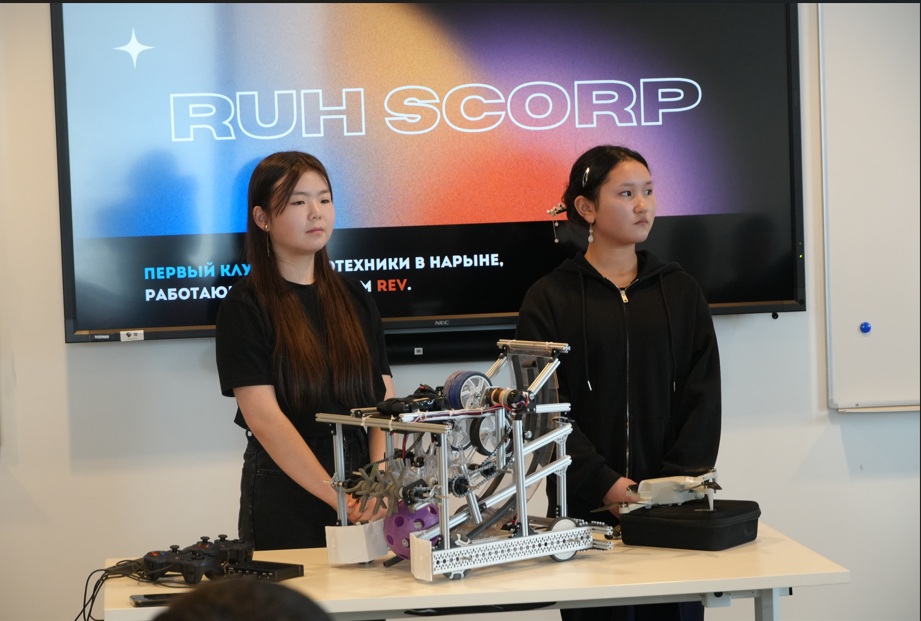
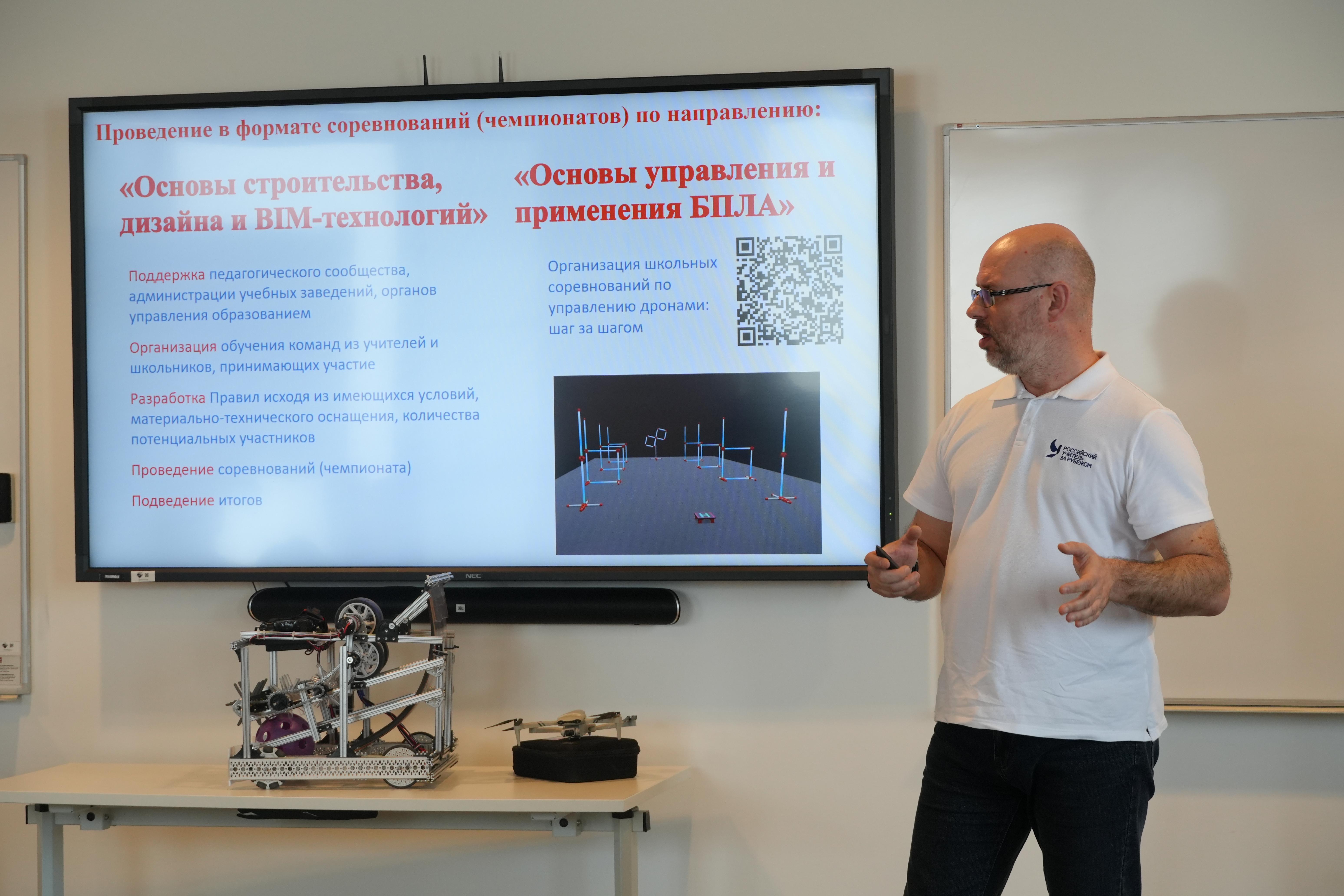
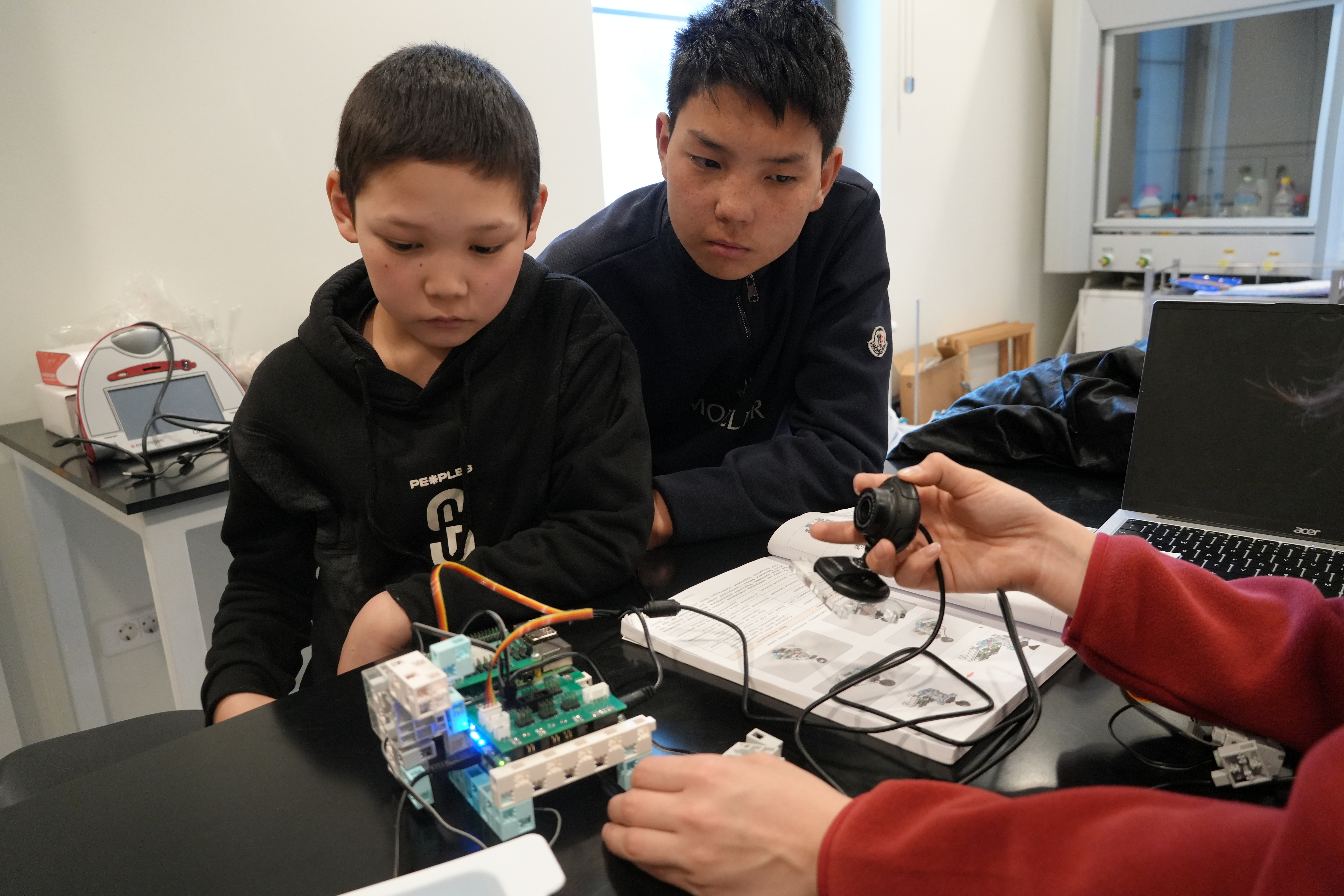
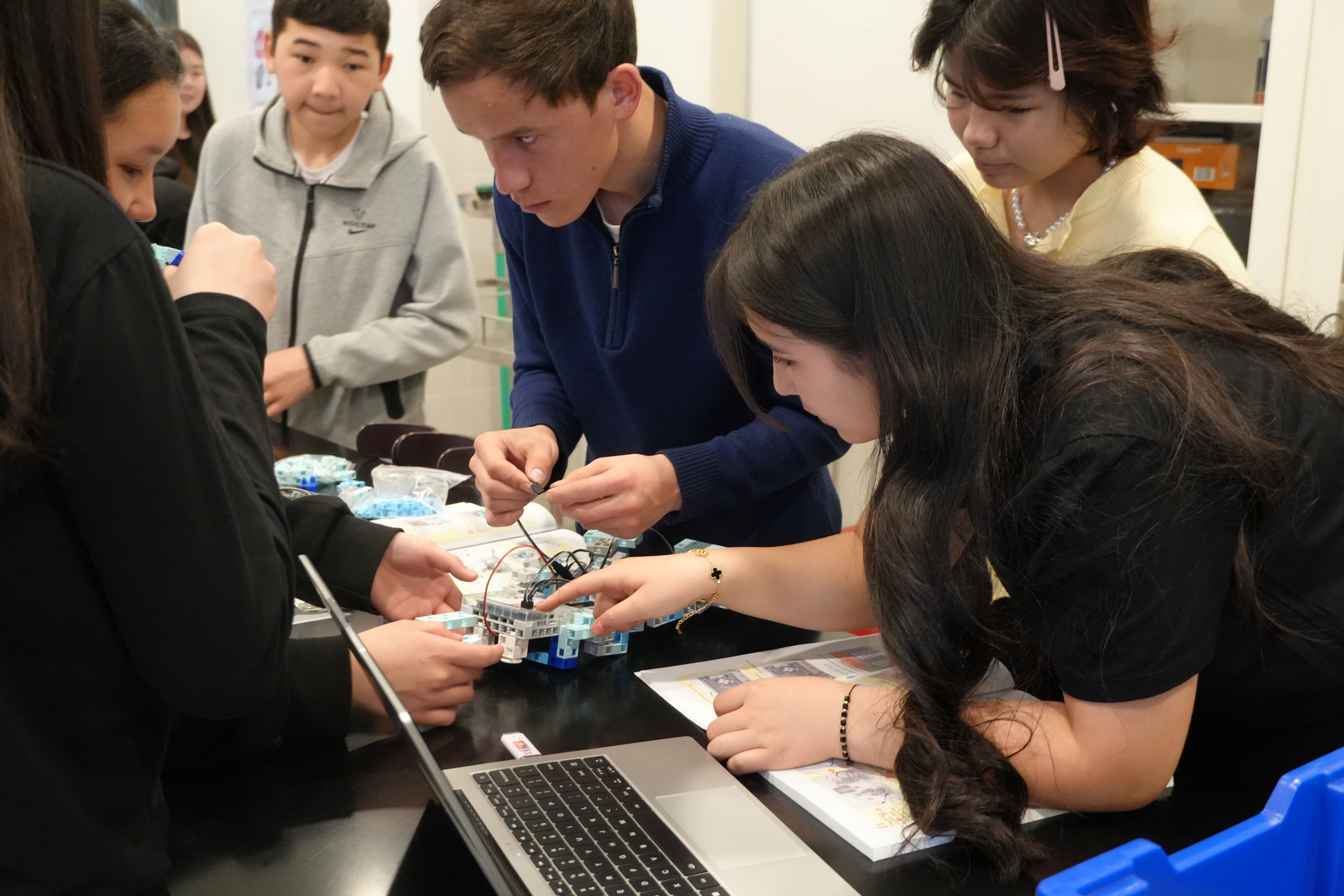
The event also included a hands-on robotics workshop in which students worked in teams to assemble and programme robots under the guidance of mentors. At the end of the session, teams presented their projects to teachers and other participants, demonstrating their designs and explaining the principles behind their solutions.
Alongside the student workshop, teachers and educators participated in a roundtable discussion focused on strengthening robotics education in the Naryn region. Participants discussed several key challenges, including limited access to structured professional training and the need for stronger collaboration among schools, colleges, and educational organisations.
Participants also highlighted the value of organising training sessions and collaborative learning opportunities for teachers, which would help expand robotics education and make technology-based learning more accessible and engaging for students across the region.