Waste Management

Khorog, Tajikistan


The Bottle2Better Project


  • TEAM MEMBERS

Dina
Kaskina
Faculty Mentor /
Supervisor

Saidboqirsho
Alimadadshoev
Earth and Environmental Sciences Student,
Class of 2027

Rukniya
Niyozbekova
Earth and Environmental Sciences Student, 
Class of 2027

Tazarf
Ghulomalieva
Earth and Environmental Sciences Student,
Class of 2027

Purnur
Abdolova
Earth and Environmental Sciences Student,
Class of 2027

Khaliq
Dad
Global Economics
Student, 
Class of 2027


Project Overview


The waste management initiative, known as Bottle2Better, is implemented in Khorog as part of the UTD Youth Initiative 2025. The project aimed to address growing challenges in plastic waste management in mountainous urban environments with limited waste collection infrastructure and capacity. The initiative is led by students and introduces a zero-emission, data-driven approach to plastic waste collection. The project is integrating environmental awareness, municipal collaboration, and digital monitoring tools. The project was designed as a pilot model to be tested, refined, and potentially scaled in Khorog and other emerging towns.

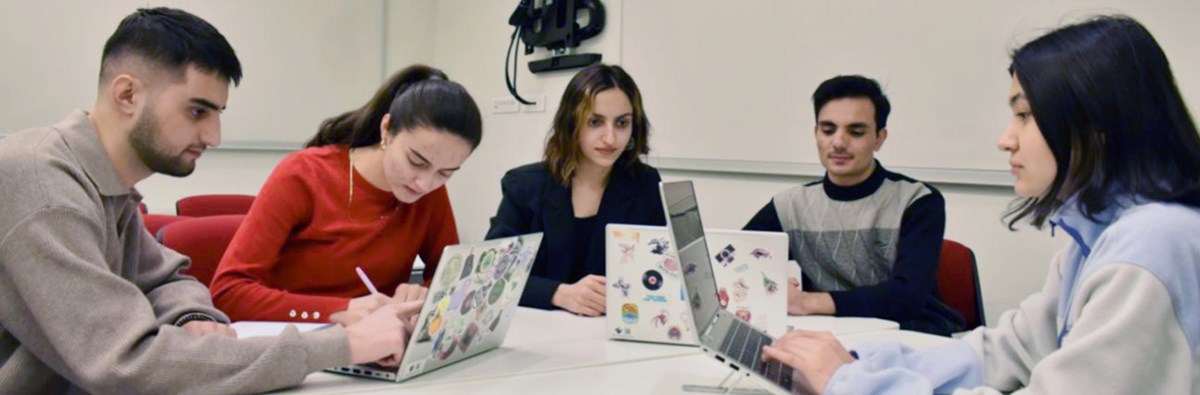
The Bottle2Better team is finalising their project's strategic framework.
The group is focused on creating a localised waste management plan and working to ensure every step of their project leads to a cleaner environment.
Photo credit: Yasmina Mamadmusoeva (2026).


Problem
Statement/Urban Challenges

  • Increasing volumes of plastic waste with limited recycling factories.
  • Gaps in waste collection, management and data on waste generation hotspots.
  • Limited public awareness of plastic waste impacts on the urban environment.

    Plastic pollution poses risks in Khorog due to its proximity to rivers, where unmanaged waste can quickly enter water systems.


Project Objectives


The Bottle2Better initiative aimed at:

  • Pilot a small-scale, zero-emission plastic collection system adapted to Khorog’s terrain.
  • Integrate digital tools to map waste collection routes and hotspots.
  • Strengthening collaboration between youth initiatives and municipal services.
  • Raise community awareness around plastic waste reduction and recycling.


Activities & Implementation

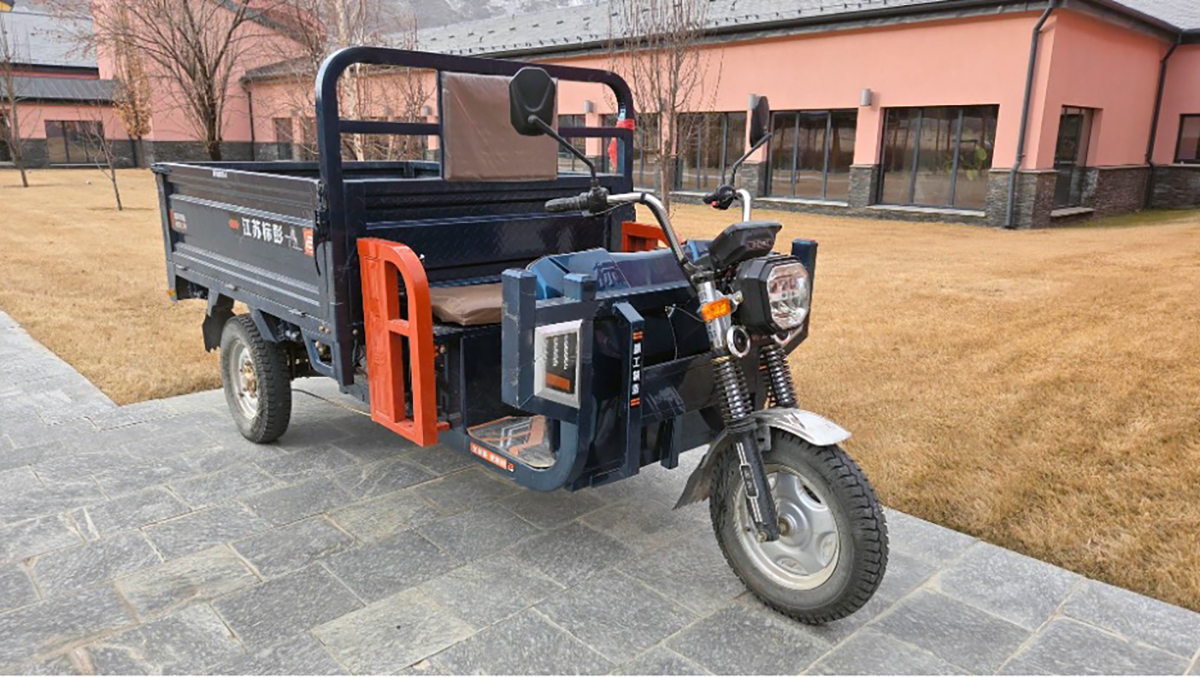
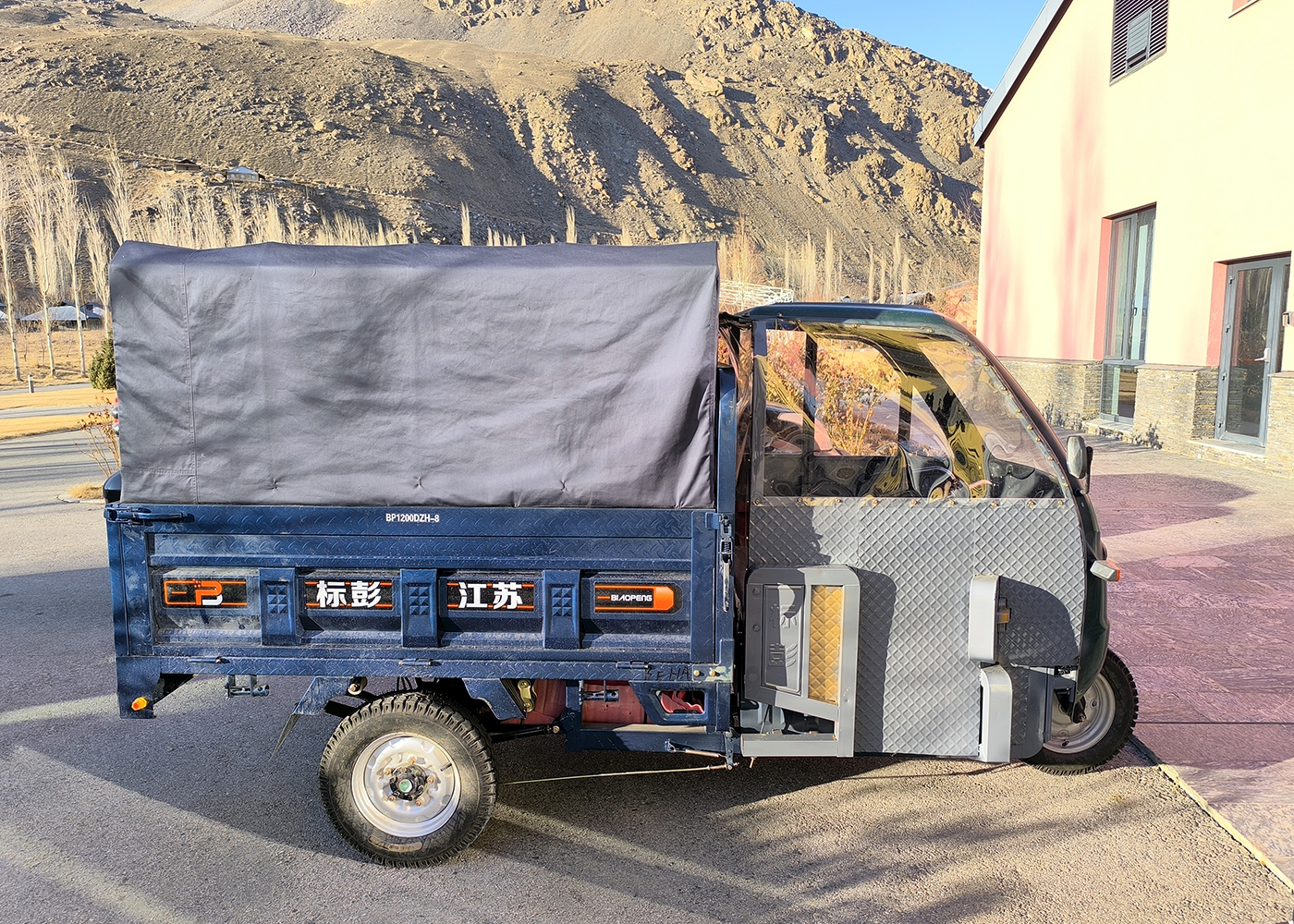
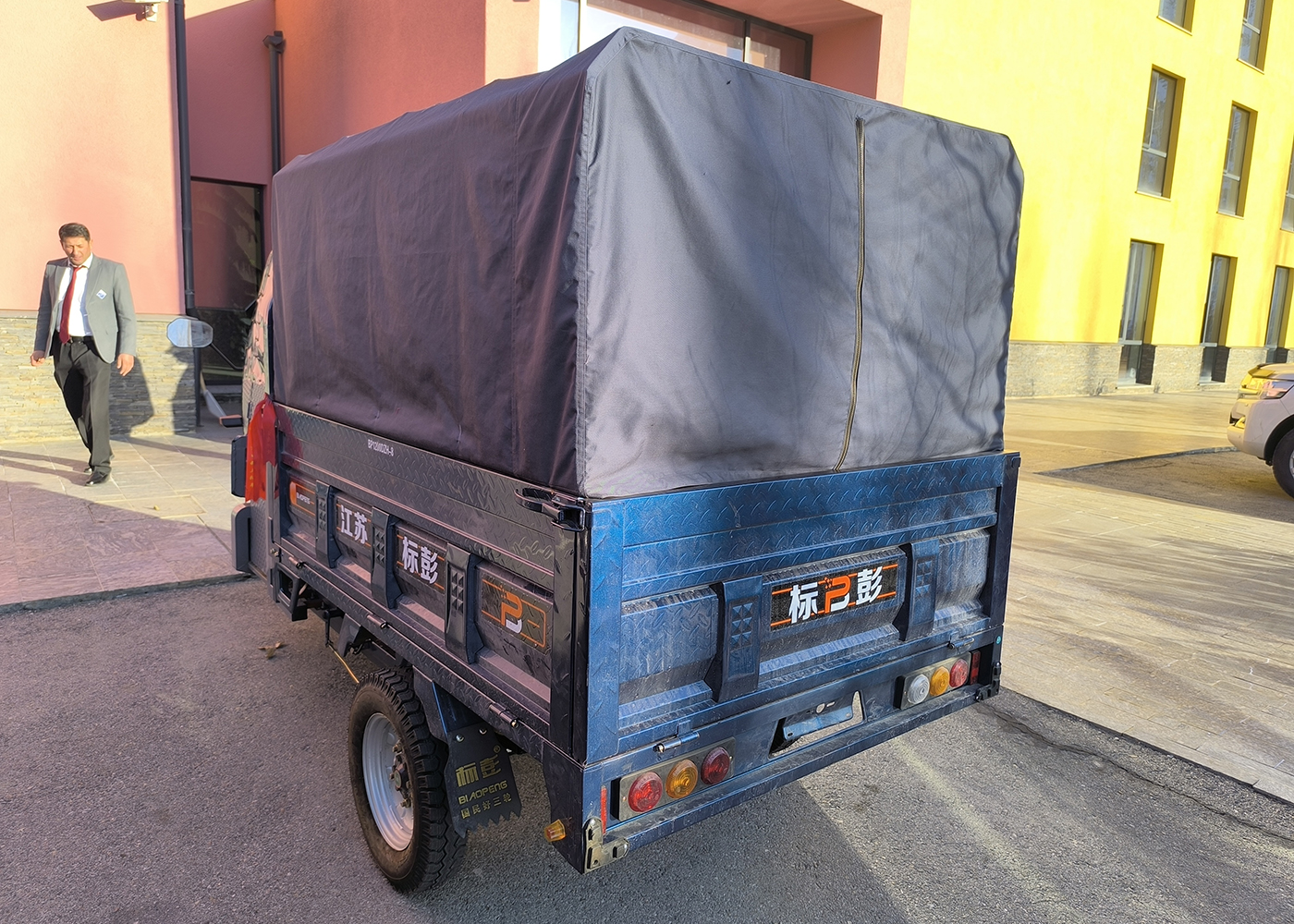
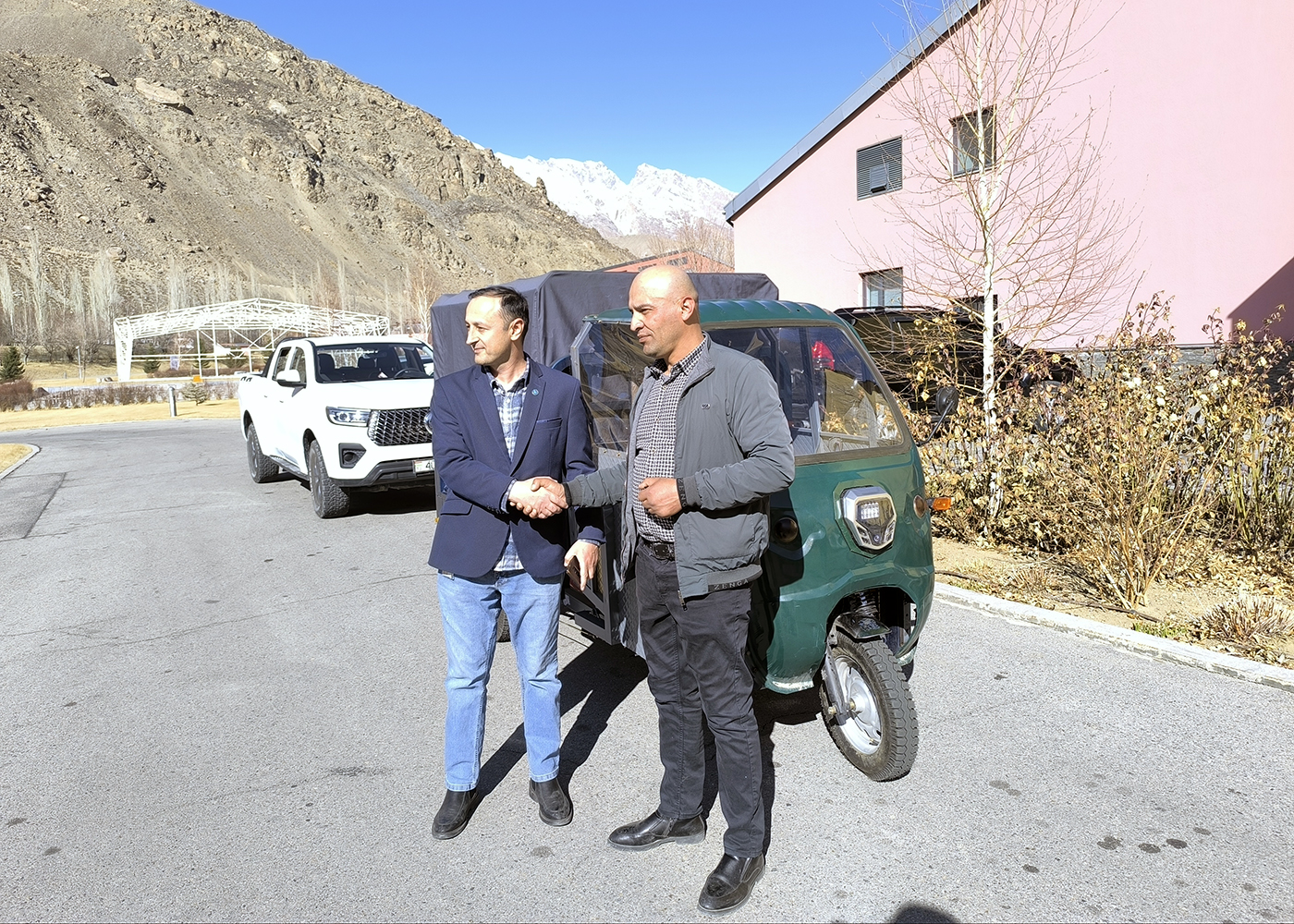
  • Procurement of an electric tricycle adapted for plastic bottle collection.
  • Establishment of a pilot collection route with 5–7 designated stops.
  • Integration of GPS tracking devices and GIS mapping tools to support data collection,
  • Collaboration with the Communal and Housing Sector.
  • Development of awareness activities through social media and community outreach.


Results & Outputs

  • Full technical readiness of a zero-emission waste collection system.
  • Establishment of a formal collaboration framework with the Communal and Housing Sector.
  • Deployment of GPS and GIS tools to enable future data-driven waste management.
  • Creation of a replicable pilot model suitable for other neighbourhoods in Khorog.


Lessons Learned

  • Partnership transition: The initial private-sector partnership was ceased, requiring time-intensive renegotiation and realignment.
  • Administrative and coordination delays: Aligning project timelines with municipal schedules delayed the operational launch.
  • Operational readiness dependencies: Final implementation depended on assigning a dedicated municipal driver and final route approval.


Capacity Building

Through the project, the team developed skills in:

  • Green urban logistics and low-emission transport solutions,
  • GPS/GIS integration for urban service delivery,
  • Public-sector negotiation and institutional coordination.

    The project strengthened student confidence in working with municipal actors and managing complex urban systems.


Future Potential & Scalability


The Bottle2Better initiative demonstrates how small-scale, youth-led pilot projects can support systemic urban improvements:

  • The model can be expanded to additional neighbourhoods or waste streams.
  • Collected data can inform municipal planning and investment decisions.
  • The approach supports healthy urban environment and climate resilience goals.
Bottle2better 4

Captured here is the Bottle2Better tricycle. Designed for the unique terrain of Khorog, this vehicle serves as a low-emission, highly efficient solution for transporting plastic waste from our designated collection spots. By utilizing this tricycle, the team ensures that the project’s carbon footprint remains small while its impact on local waste management grows. Photo credit: Tazarf Ghulomalieva (2025).