

University of Central Asia Contributes to Regional Ecological Summit 2026 in Astana
From 22 to 24 April, the University of Central Asia (UCA) participated in the Regional Ecological Summit 2026 (RES 2026) in Astana — a key regional platform advancing climate action, environmental governance, and cooperation across Central Asia. The summit convened governments, international organisations, researchers, and development partners to address pressing environmental challenges.
Over three days, 58 sessions were held, including 21 high-level and 4 country sessions, attracting more than 8,000 visits. The Plenary Session featured addresses by the Presidents of Central Asian countries, Armenia, Georgia, and Mongolia, as well as the Prime Minister of Azerbaijan.
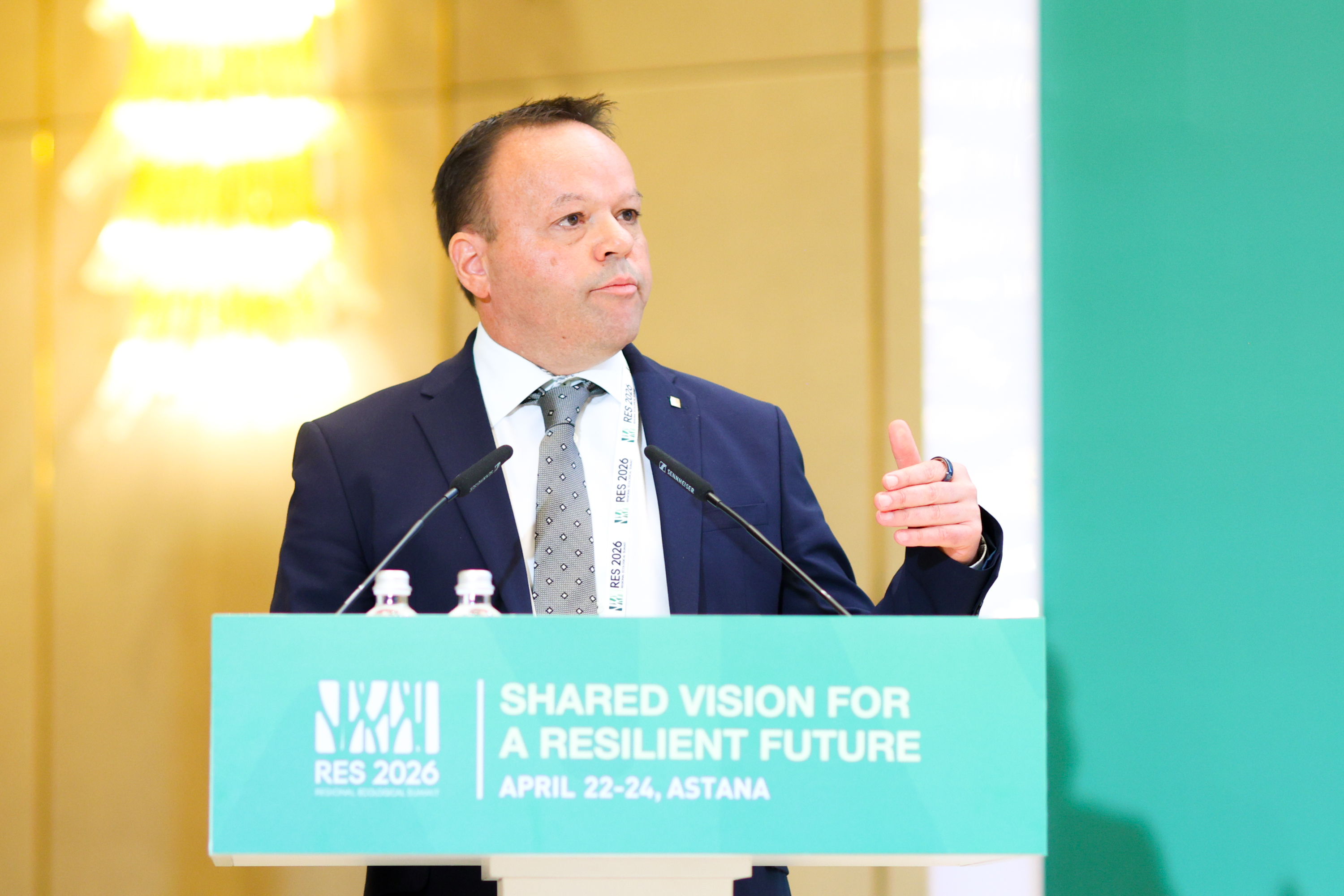

Christopher J. Gerry, Rector of UCA, highlighted urgent regional challenges such as glacier melt, water scarcity, pressure on agriculture, and increasing natural disasters in a high-level session organised by the Ministry of Science and Higher Education of Kazakhstan. In his remarks, he positioned Central Asia not only as a region of climate vulnerability but also as a potential hub for innovation — a “laboratory” for developing and testing solutions in climate resilience, mountain monitoring, and environmental management.
He further highlighted UCA’s role as a regional research and education platform, linking scientific knowledge with policy and community-level action. Particular attention was given to the growing importance of digital tools including remote sensing, predictive analytics, and artificial intelligence in improving climate modelling, risk forecasting, and decision-making processes.
Eran Edirisinghe, UCA’s Dean of Research, highlighted the role of digital transformation in understanding and managing environmental risks. He emphasised how data-driven approaches and advanced technologies strengthen climate analysis and support informed policymaking.
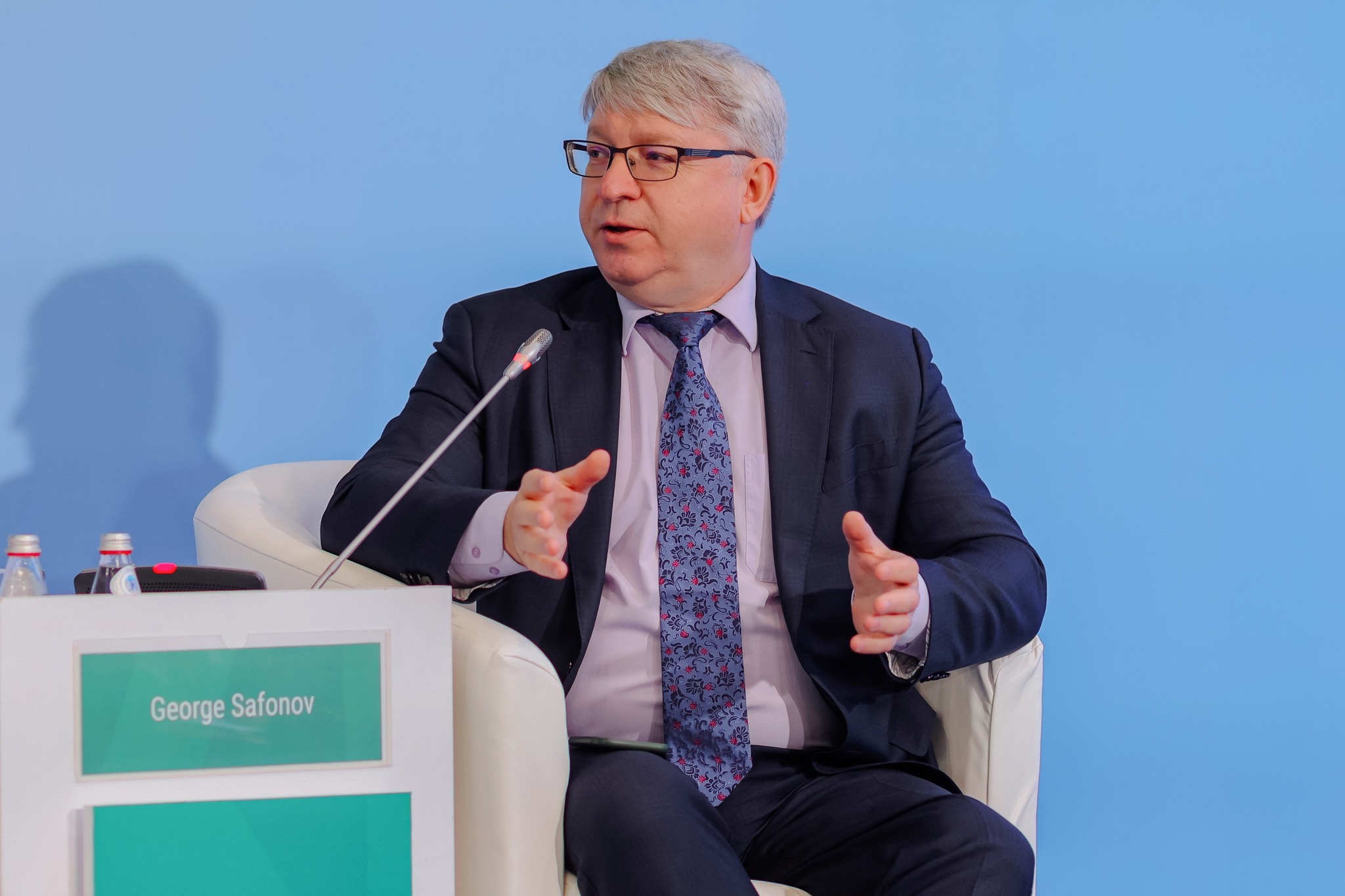
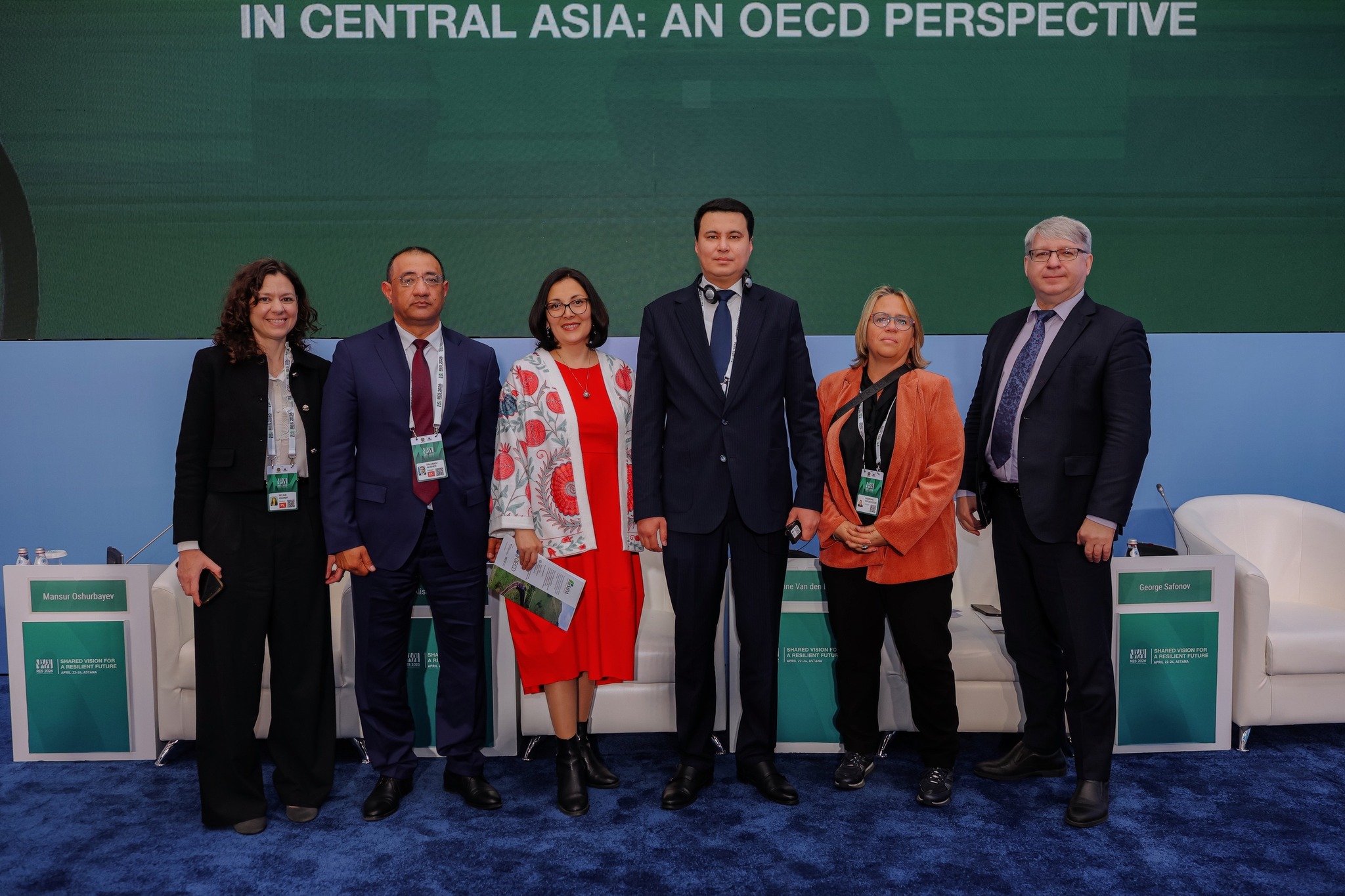
Georgy Safonov and Madina Junussova, UCA Researchers contributed perspectives on sustainable and resilient infrastructure, emphasising the importance of integrating environmental considerations into long-term development planning in line with broader regional priorities such as climate adaptation, green transition, and sustainable resource management.
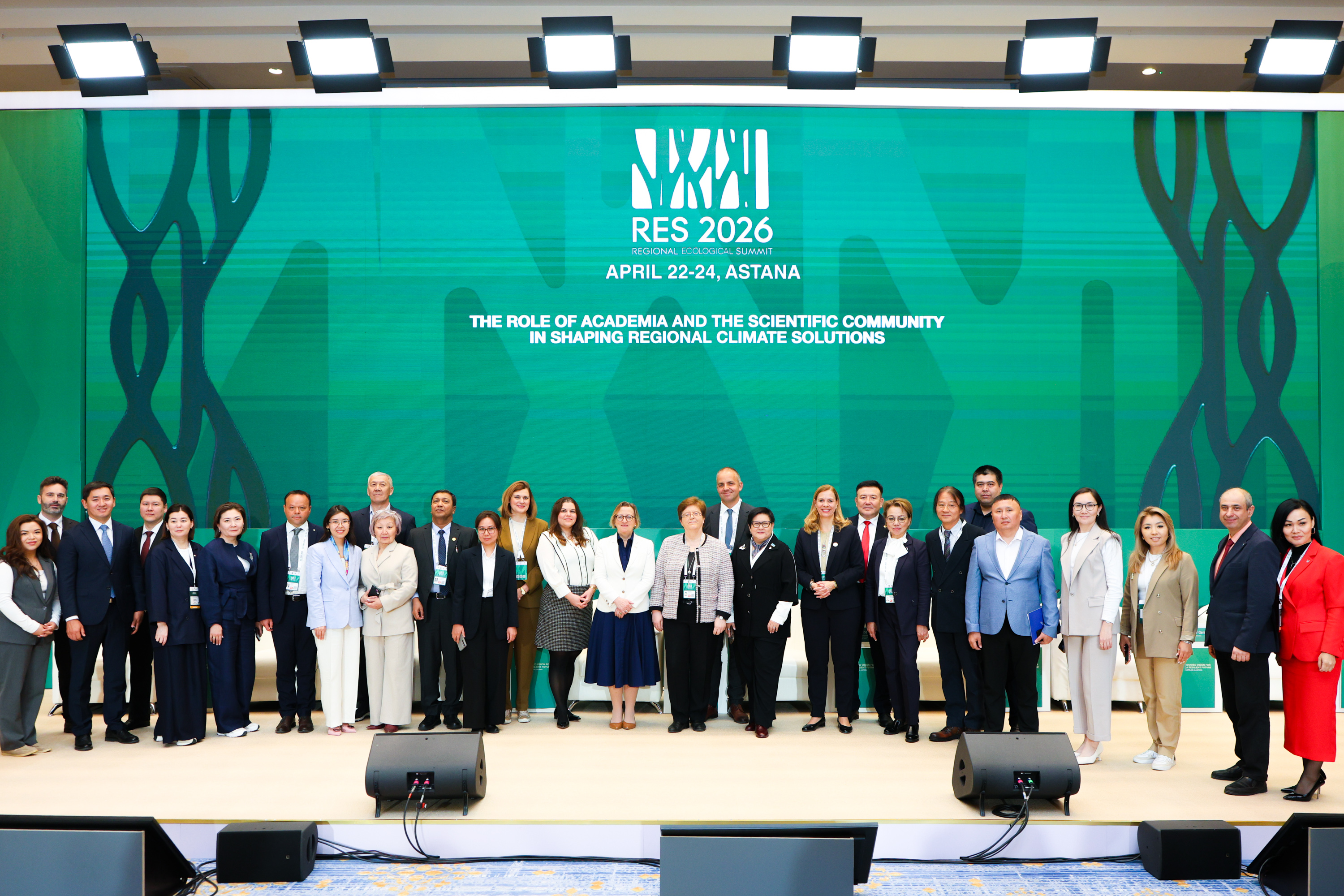
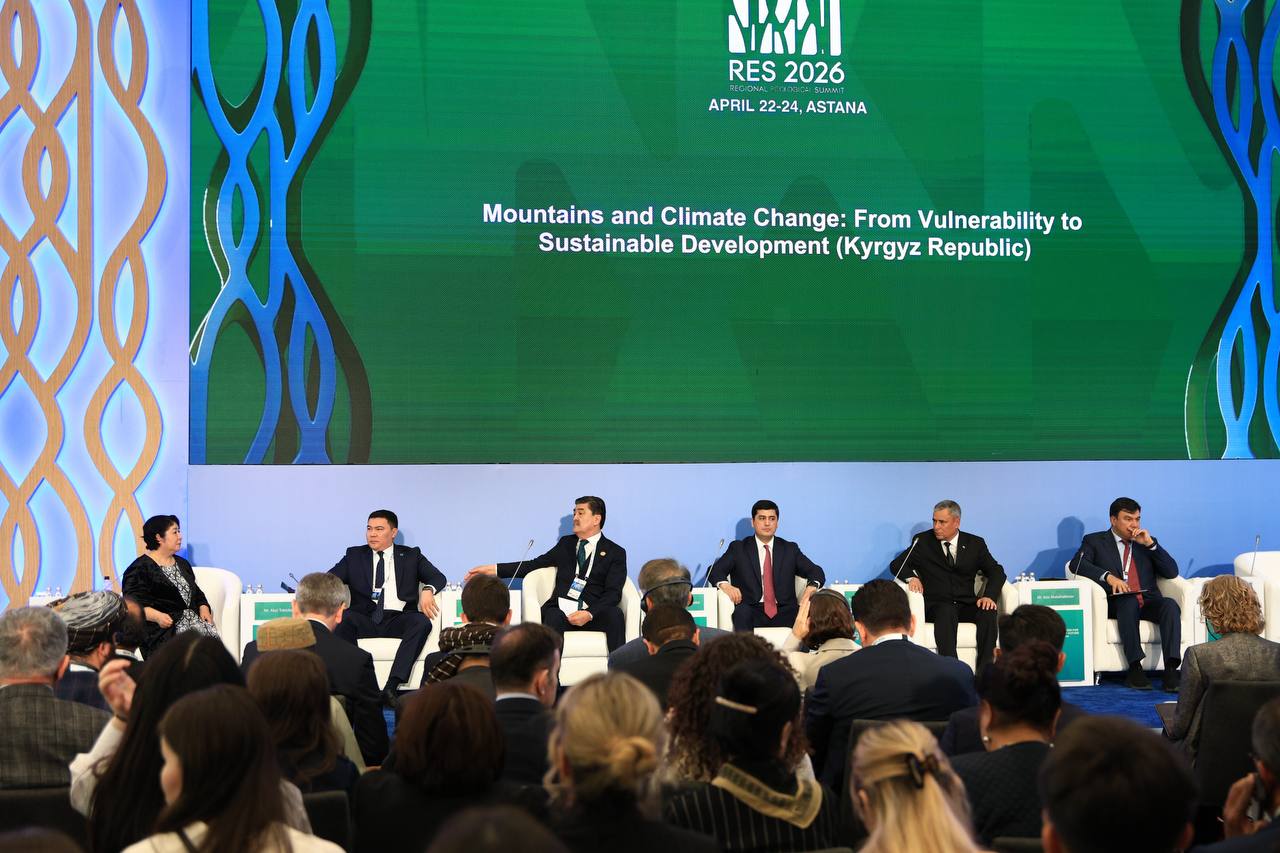
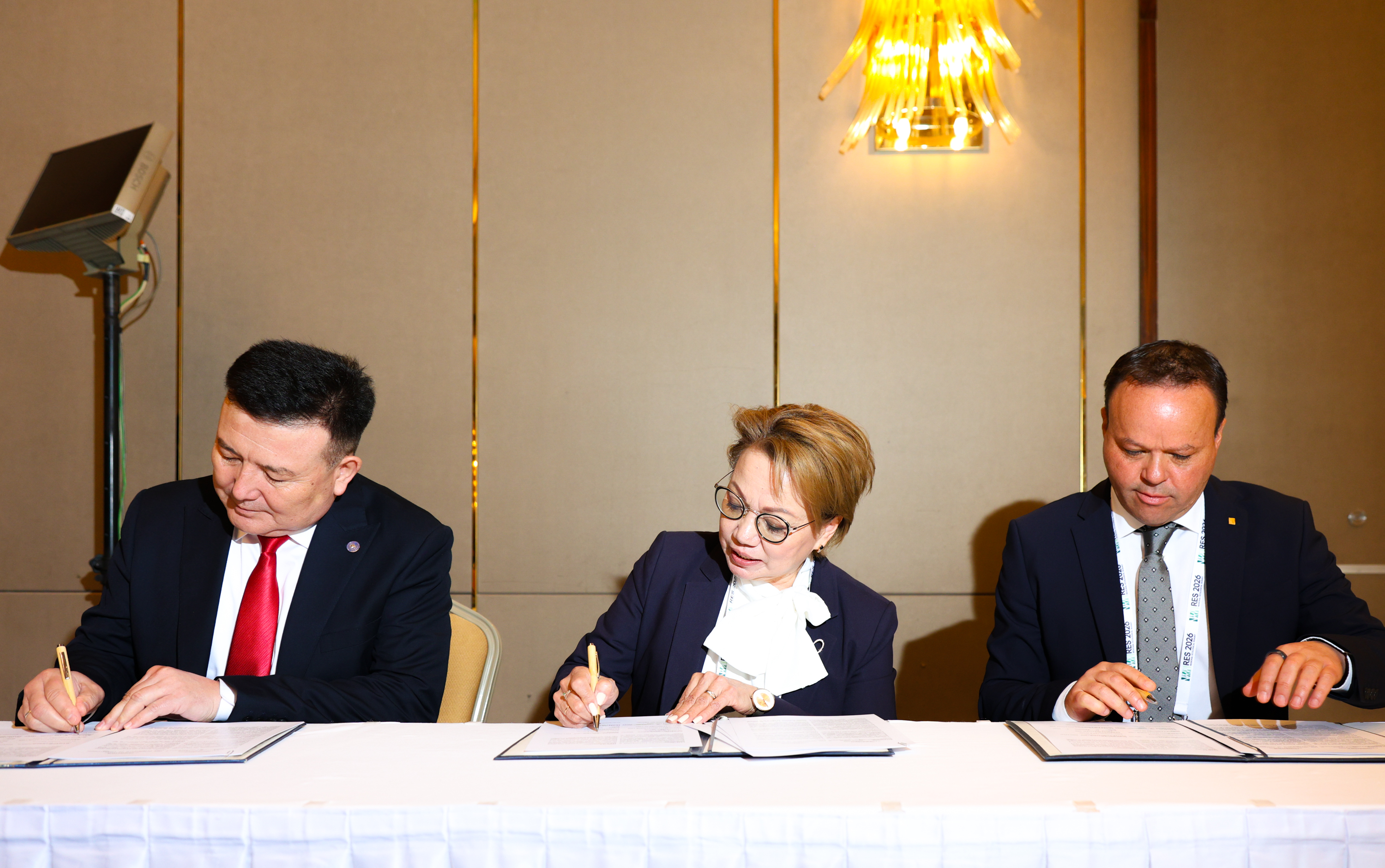
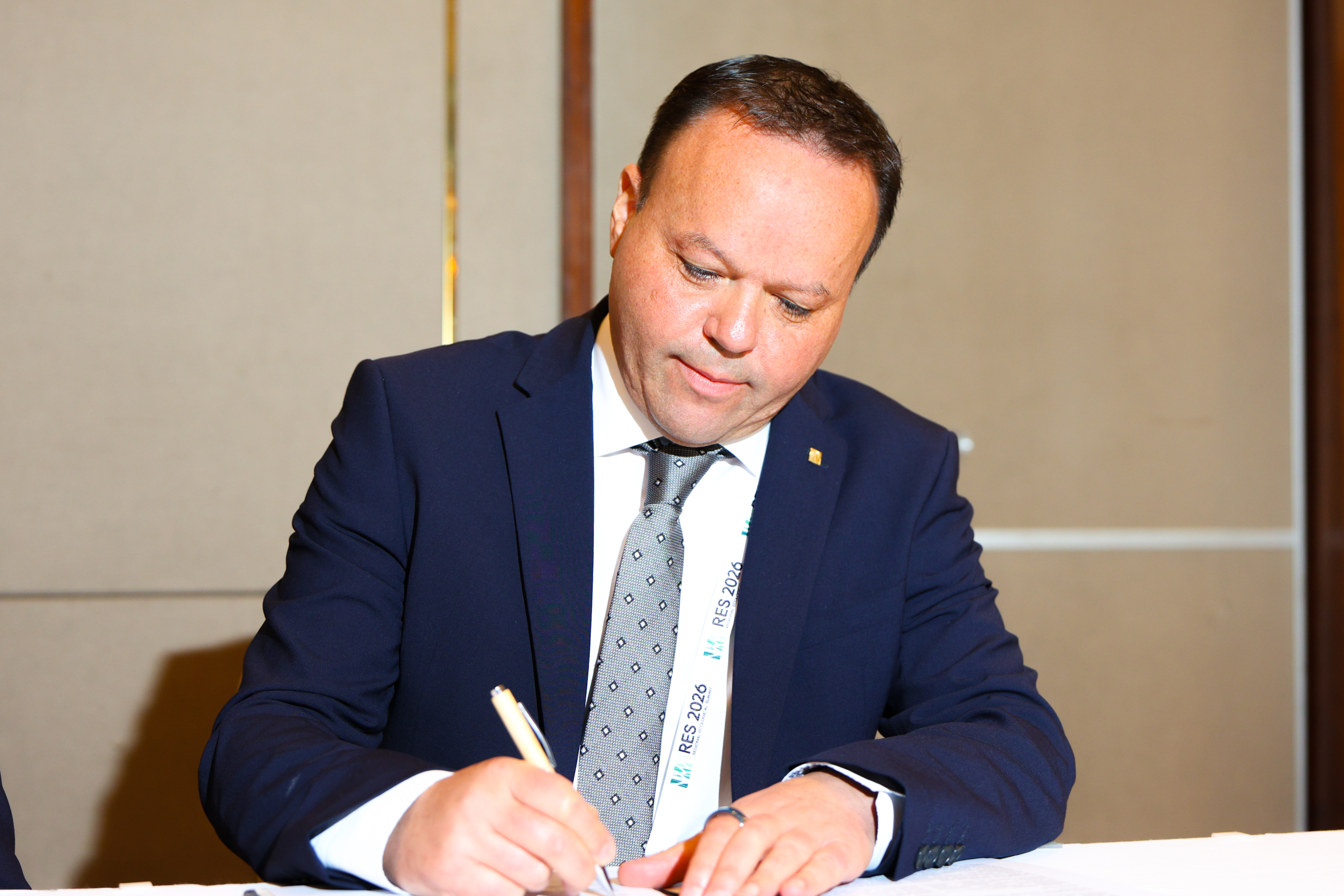
Beyond the panel sessions, RES 2026 served as a dynamic platform for dialogue and partnership-building across the region. A key milestone was the signing of a Memorandum of Understanding (UCA) by UCA on the establishment of the Central Asian Economic Research Consortium, bringing together leading analytical and academic institutions from across Central Asia.
The consortium includes the University of Central Asia; Kazakhstan-British Technical University and the Institute of Economic Research (Kazakhstan); the Kyrgyz Economic University named after M. Ryskulbekov and Ala-Too International University (Kyrgyz Republic); the Tajik State University of Law, Business and Politics; the Market Access and Policy Centre under the Turkmen Congress (Turkmenistan); and the Central Asian University of Environmental and Climate Change Studies (Green University, Uzbekistan). It aims to advance cooperation in economic research and social sciences, as well as to provide expert analytical support.
UCA signed an additional Memorandum of Understanding with the Green Academy and the Kazakhstan Centre for Emergency Situations and Disaster Risk Reduction to support joint efforts in addressing environmental and climate challenges in the region.
UCA held meetings with the Central Asian Regional Glaciological Centre (Category 2 under the auspices of UNESCO) to explore future joint research. UCA representatives also visited Nazarbayev University’s School of Medicine and the Academy of Public Administration under the President of Kazakhstan.
Through its participation in RES 2026, UCA reaffirmed its commitment to advancing research-driven solutions, strengthening regional collaboration, and contributing to a more sustainable and resilient future for Central Asia.