


Voices and Faces of UCA: Dr Pulat Shozimov

In honor of the University of Central Asia’s (UCA) 25th anniversary, we are sharing the stories of those who have journeyed alongside the institution—the pioneers who shaped its key initiatives and contributed to the academic and intellectual landscape of the region.
The story of Dr. Pulat Shozimov is one such journey. His professional path is deeply intertwined with the advancement of humanities education, pedagogical innovation, and intercultural dialogue in Central Asia.
When Dr. Shozimov recalls his first day at UCA—March 12, 2012—he describes it as a significant homecoming.
"It was truly exciting. I was returning to the academic fold with fresh experience and a new understanding of how to bridge the gap between theory and practice," he recalls.
His trajectory at UCA is closely linked to the Aga Khan Humanities Project (AKHP), which became part of the university in 2007. Established by the Aga Khan Trust for Culture in 1997, AKHP promotes the ideals of humanity, pluralism, and intercultural dialogue through education, research, and community engagement across Central Asia.
From the Foundations to UCA
Shozimov’s history with AKHP began long before he formally joined UCA.
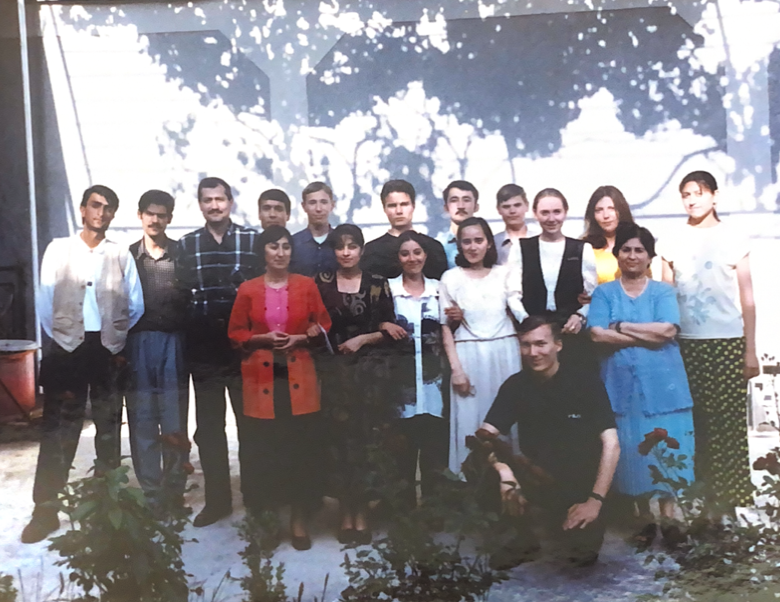
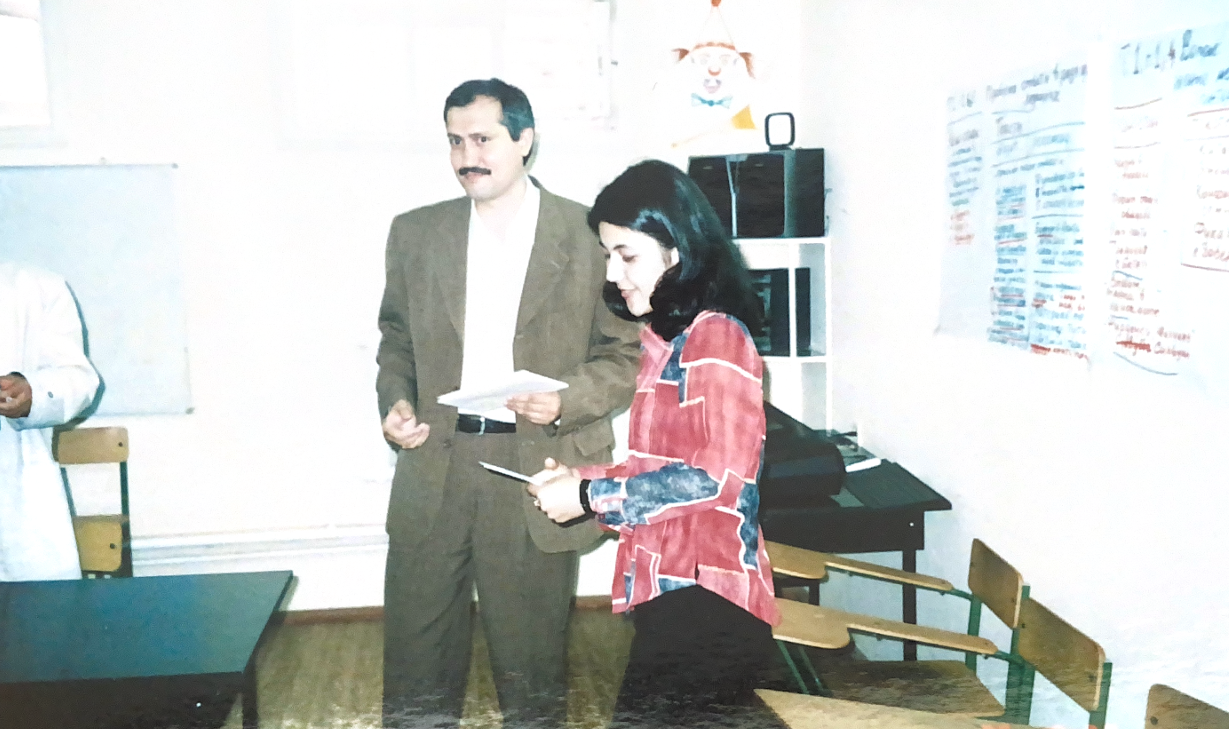
"I was among those who stood at the project’s origins. We started almost from scratch—developing materials, testing them, and searching for new approaches," he says. During those early years, he did more than just design curricula; he taught them himself, experimenting with new instructional formats.
"We were told back then: 'Do not fear mistakes; be innovators.' That was perhaps one of the most valuable lessons I’ve carried throughout my career."
After an academic hiatus of nearly nine years—during which he defended his doctoral dissertation and participated in international projects—he returned to the AKHP system, now integrated within the UCA structure.
Practice as the Core of Strategy
From his first days at the university, it became clear to him that the key to growth was practical experience.
"I was told that the best way to understand any system is through practice. 'Go out, meet your colleagues, analyze the situation, and only then build your strategy.' This approach became the foundation of my work as the Faculty Development Programme Manager and, later, as the Acting Director of AKHP."
Under his leadership, the program expanded across several key pillars, including curriculum development, English-medium humanities instruction, and professional development for faculty. He also focused on public lectures, academic discourse, and engagement with a vast network of partner universities. Today, AKHP collaborates with dozens of academic institutions across Tajikistan, Kyrgyzstan, and Kazakhstan, implementing interdisciplinary courses and creating platforms for intellectual exchange.
Innovation Born of Experience
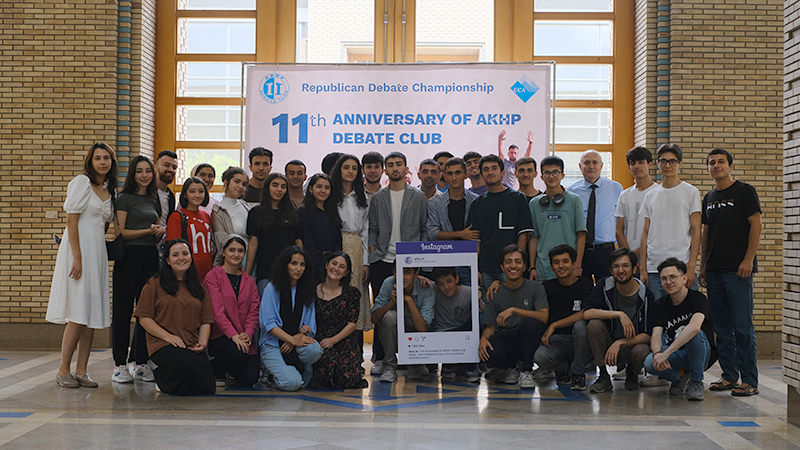
One of the most notable outcomes of this work was the creation of the Cross-Debate Format (CDF), an educational methodology developed by Shozimov and his colleagues. He chose to create a new format rather than relying on existing ones, wanting something that reflected the specific values and context of the region. While it was a risk, practice allowed the team to refine it into a successful tool.
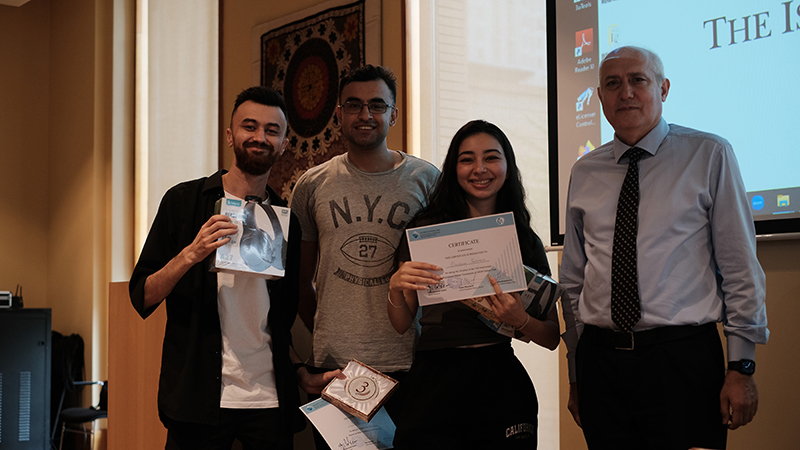
Today, CDF is used for both learning and assessment, as well as a platform for discussing complex social issues. This format is about more than just debating; it teaches people how to construct solutions, blend values with analytics, and understand diverse perspectives.
The University as an Ecosystem
According to Shozimov, the strength of UCA lies in its structure and philosophy.
“For me, UCA is a space where opportunities are not just declared, but realized in practice.”
He highlights three key components of the university: students, community work, and research institutes.
“These three elements create a flexible system that can adapt to challenges and at the same time maintain a value base.”
“Any innovation involves risk. But if you have the tools for adjustment and development, this becomes the basis of sustainability.”
Contribution to the Future of the Region
For Shozimov, working at UCA is part of a broader mission related to the development of Central Asia, especially its mountain regions.
“We are talking not only about education. We are talking about the formation of mindset, values, the ability of people to respond to challenges—social, economic, environmental.”
“Mountains are not just geography. They are people. And the future of these regions depends on them.”
Ideas That Continue to Work
Today, Pulat Shozimov continues his scientific and pedagogical activities, participates in conferences, publishes, conducts lectures, and develops educational practices.
But the main thing, according to him, is the opportunity to see how ideas are translated into life.
When a philosophical concept begins to work in the classroom, in discussions, in real projects—this is perhaps the most valuable thing. It is for the sake of this that it is worth working.