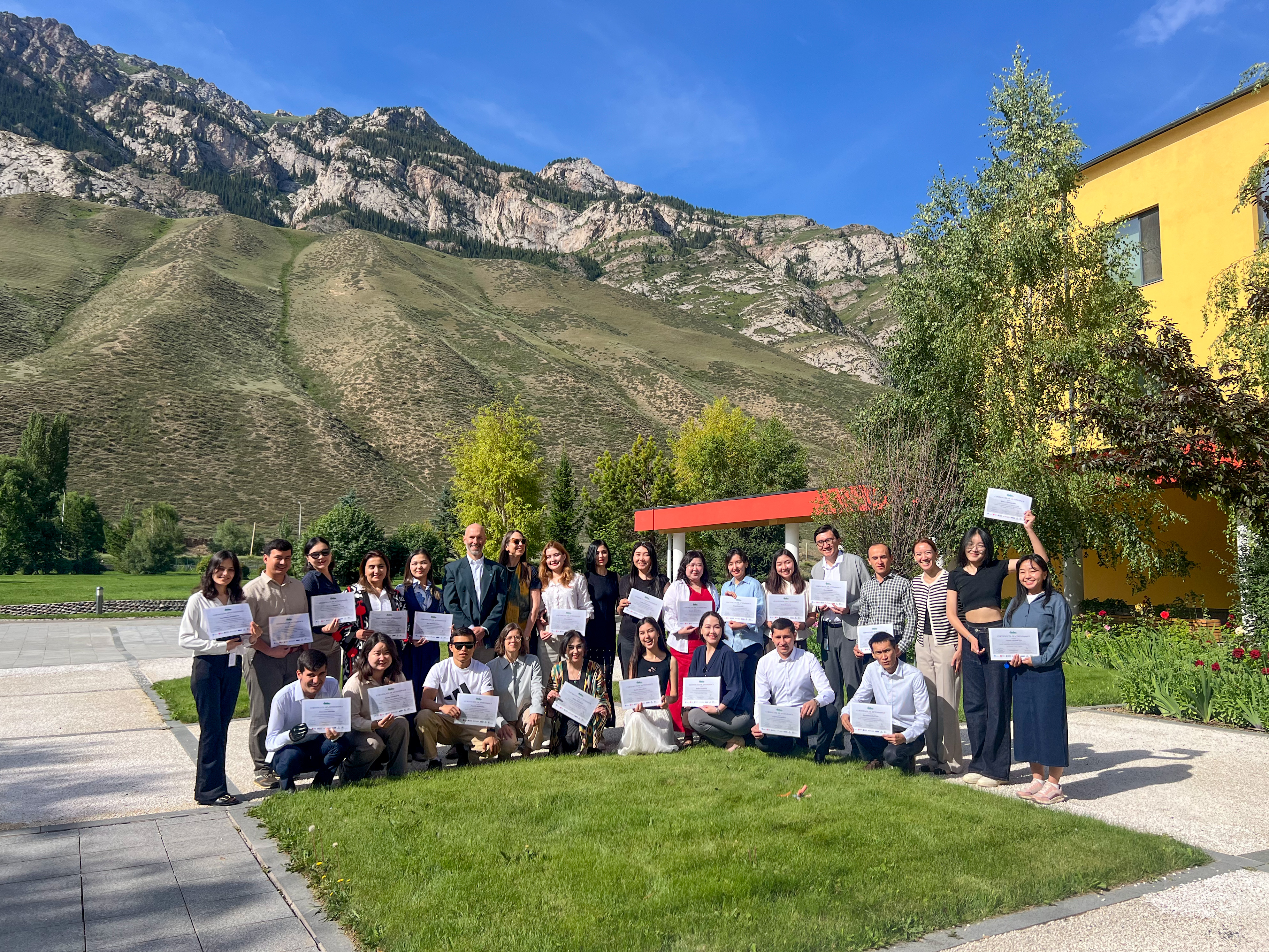


University of Central Asia and Partners Conclude the First IPROMO Central Asia Summer School
The University of Central Asia (UCA), in partnership with the Organization for Security and Co-operation in Europe (OSCE) and within the framework of the Mountain Partnership, successfully concluded the first IPROMO Central Asia Summer School, bringing together 24 government officials, researchers, academics, practitioners and development partners from across Central Asia and Europe to strengthen regional cooperation on glacier preservation, climate adaptation and sustainable mountain development. Building on the success of this inaugural initiative, UCA is in discussions with the leadership of FAO's Mountain Partnership to establish the Summer School as a regular annual or biannual regional initiative for Central Asia, reinforcing the University's role as a regional hub for mountain knowledge and sustainable development.
Held at UCA's Naryn Campus from 24 June to 7 July 2026, the two-week programme marked the first time the internationally recognised International Programme on Research and Training on Sustainable Mountain Development (IPROMO) has been delivered in Central Asia. Traditionally hosted in Italy by the Mountain Partnership Secretariat of the Food and Agriculture Organization of the United Nations (FAO), the programme equips professionals with the knowledge, skills and networks needed to address some of the most pressing challenges facing mountain regions.
Recognising the urgency of glacier retreat in Central Asia—where more than half of the region's glaciers could disappear by 2050, threatening water and food security for more than 64 million people—the Summer School focused on strengthening technical expertise, institutional capacity and regional collaboration. The programme also contributed to the objectives of the United Nations Decade of Action for Cryospheric Sciences (2025–2034).
Under the theme "Glaciers: Understanding, Preserving and Adapting to Climate Change," participants explored the complex links between glacier retreat, water security, climate resilience and sustainable mountain development. Through lectures, seminars, case studies, field visits and interactive exercises, they examined scientific, policy and community-based approaches to glacier preservation while strengthening dialogue on transboundary water management, climate diplomacy and regional cooperation.
“This Central Asia edition showed the need for this kind of training to increase knowledge and cooperation in the region. It also showed how vibrant, active and committed this community is – they are truly the practitioners of the future,” said Sara Manuelli, Advocacy and Outreach Lead at the Mountain Partnership Secretariat and course coordinator.
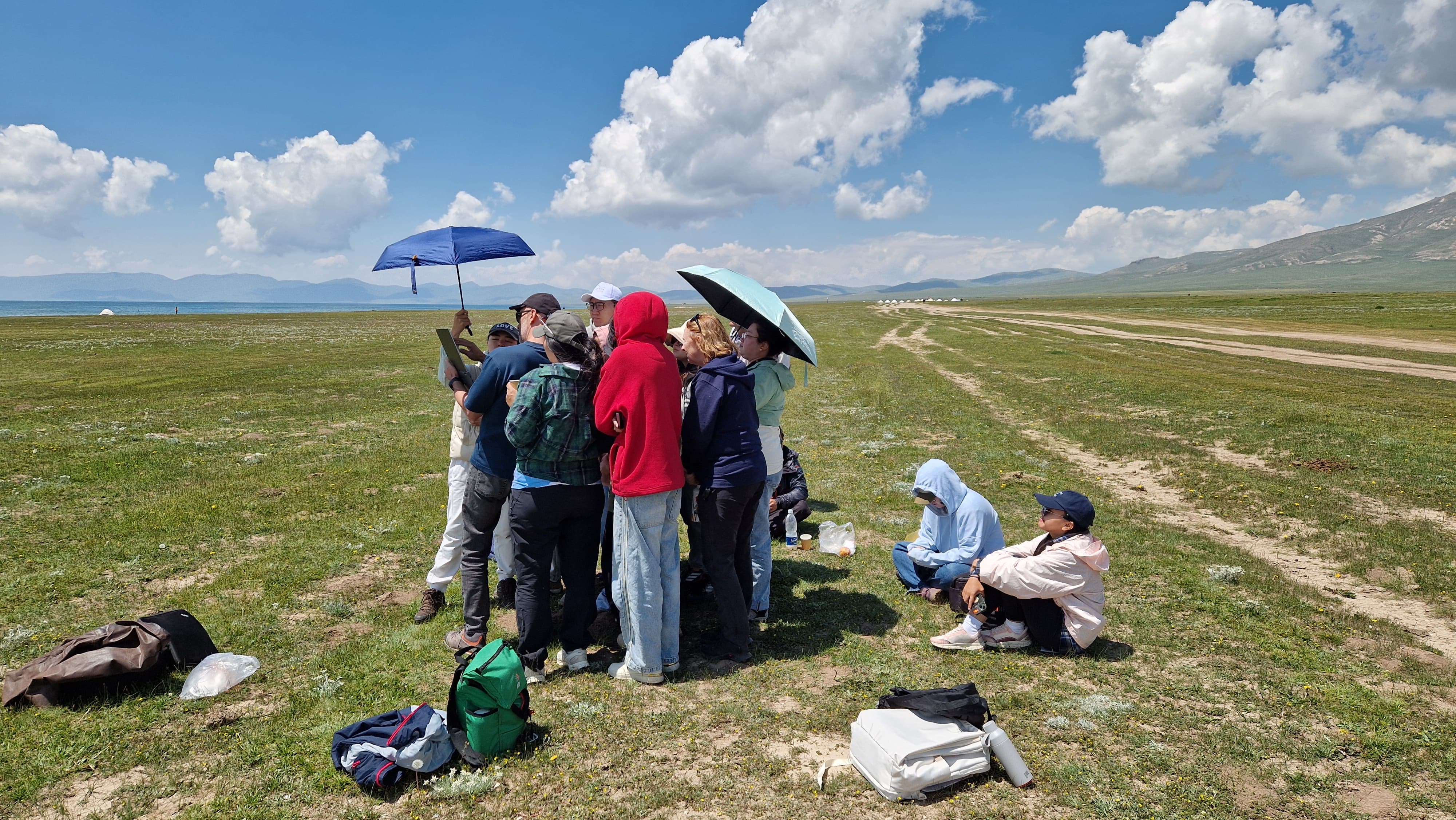
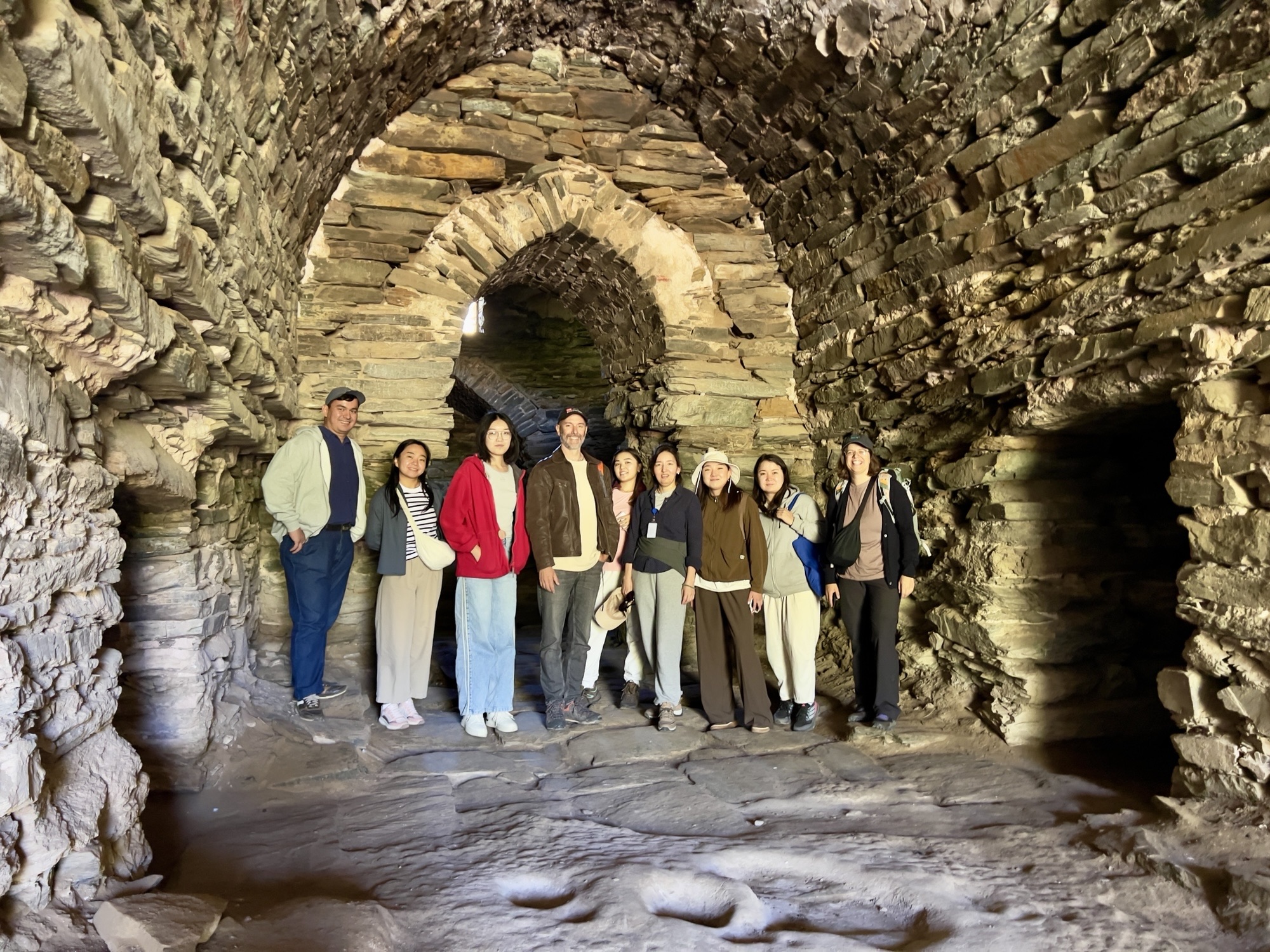
The programme featured leading experts from UCA, FAO, UNESCO, Eurac Research, Adelphi, the University of Turin, the Norwegian Water Resources and Energy Directorate, the University of Liège, the National Research Council of Italy, Acres of Ice, and other international organisations and academic institutions. Sessions covered glacier science, cryosphere monitoring, hydrology, disaster risk reduction, biodiversity, food systems, climate security, environmental governance and sustainable water management.
"Glaciers matter because they provide not only freshwater, but also sustain irrigation, biodiversity, ecosystems and food security. Glaciers are frozen rivers," said participant Gulbara Omorova, Glaciologist at the National Academy of Sciences of the Kyrgyz Republic.
Reflecting on the programme, Prof. Denis Samyn, Associate Professor and Cryosphere Senior Researcher at UCA, highlighted not only the academic value of the Summer School but also its regional significance.
"I see this IPROMO Central Asia Summer School as a great success and achievement. Not only because of the outstanding lectures, the dedication and enthusiasm of the participants, and the expertise of the lecturers, but also because of the strong sense of Central Asian belonging that emerged throughout the programme. It has been truly inspiring to see young professionals from mountain countries across the region come together to exchange knowledge, learn from one another, and develop lasting professional and personal connections."
Participants echoed the importance of creating opportunities to learn across disciplines and borders.
For Malika Nurmanova from Kazakhstan's Zhasyl Damu, one of the programme's greatest strengths was its diversity.
"One of the things I appreciated most was learning alongside participants from every Central Asian country and from different professional backgrounds. I leave with new knowledge, valuable professional connections and the hope that this Summer School will become a lasting regional tradition."
For Maya Islamova of UNICEF Turkmenistan, the programme broadened her understanding of climate change: "This Summer School transformed the way I think about climate change. It helped me understand how closely climate is connected to every aspect of our lives and why these issues require collaboration across sectors."
Abdusamad Hojizada, a glaciologist with the Agency for Hydrometeorology under the Government of Tajikistan, highlighted the value of regional collaboration.
"This Summer School brought together specialists from across Central Asia and gave us the opportunity to learn from one another. Working together and exchanging experience will help strengthen glacier monitoring and improve our response to the challenges facing our region."
Similarly, Samira Insavaliyeva of IUCN Uzbekistan emphasised the importance of collective action: "By working together across countries and institutions, we can mobilise greater support to preserve our glaciers for future generations."
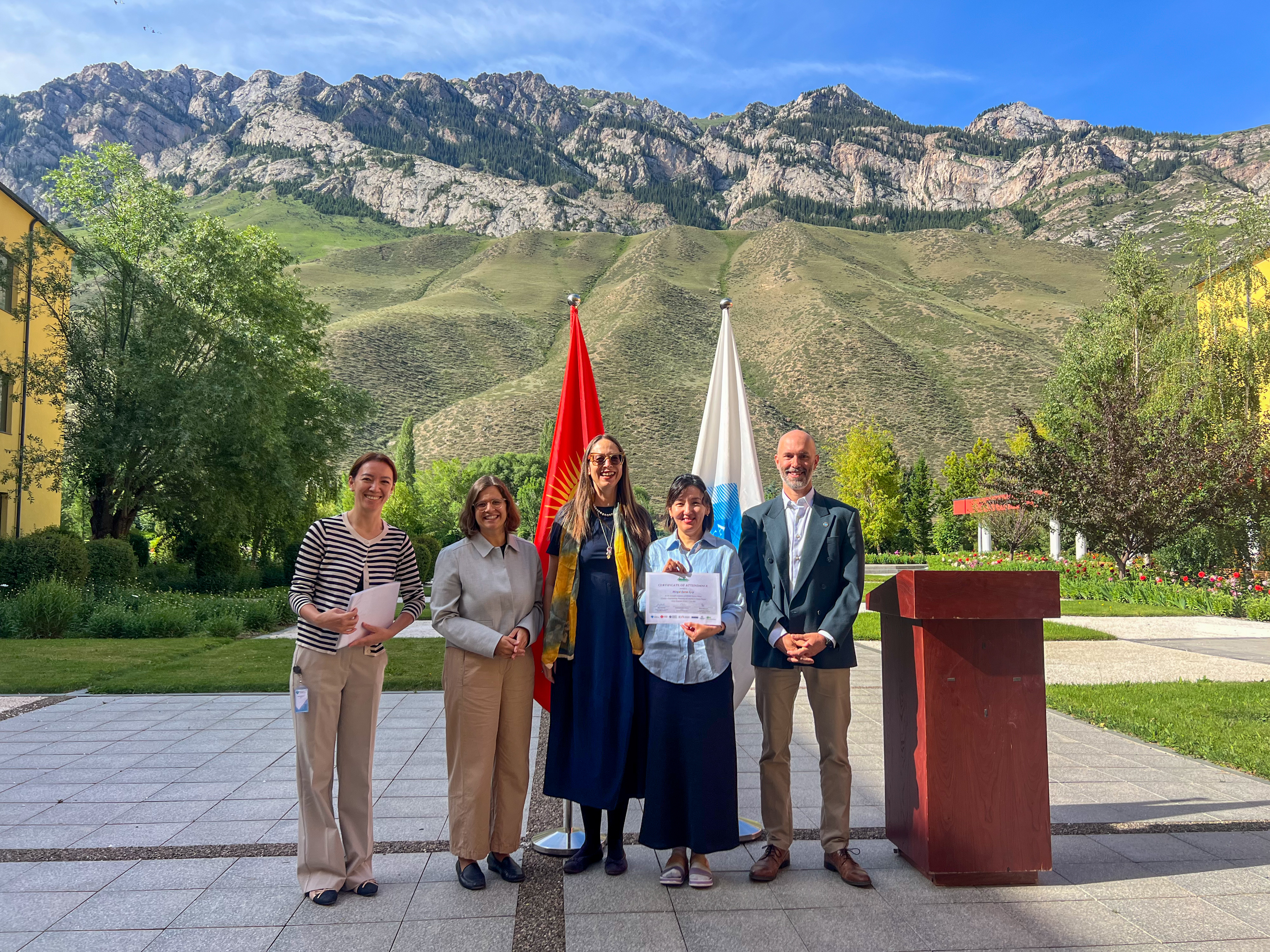
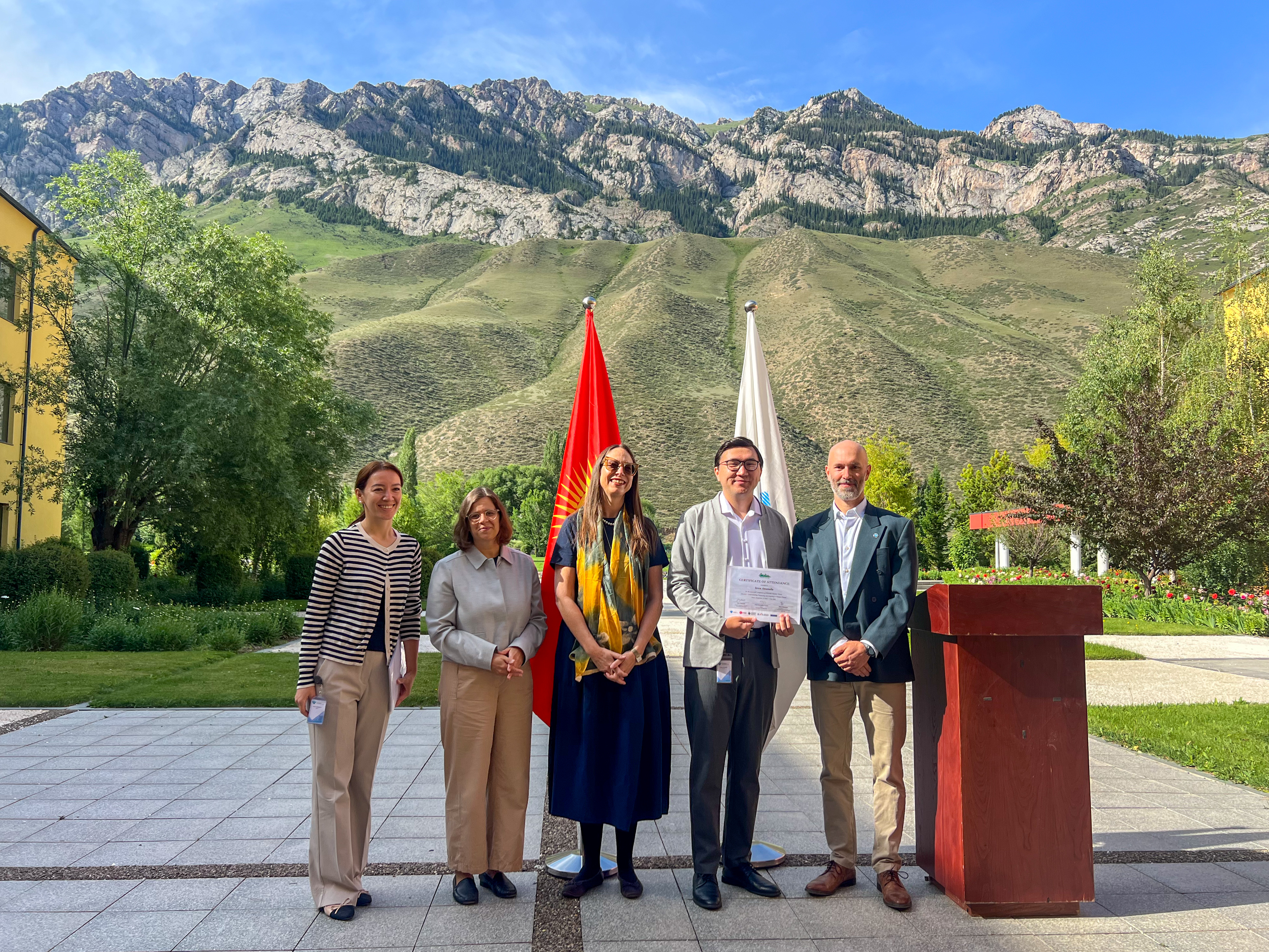
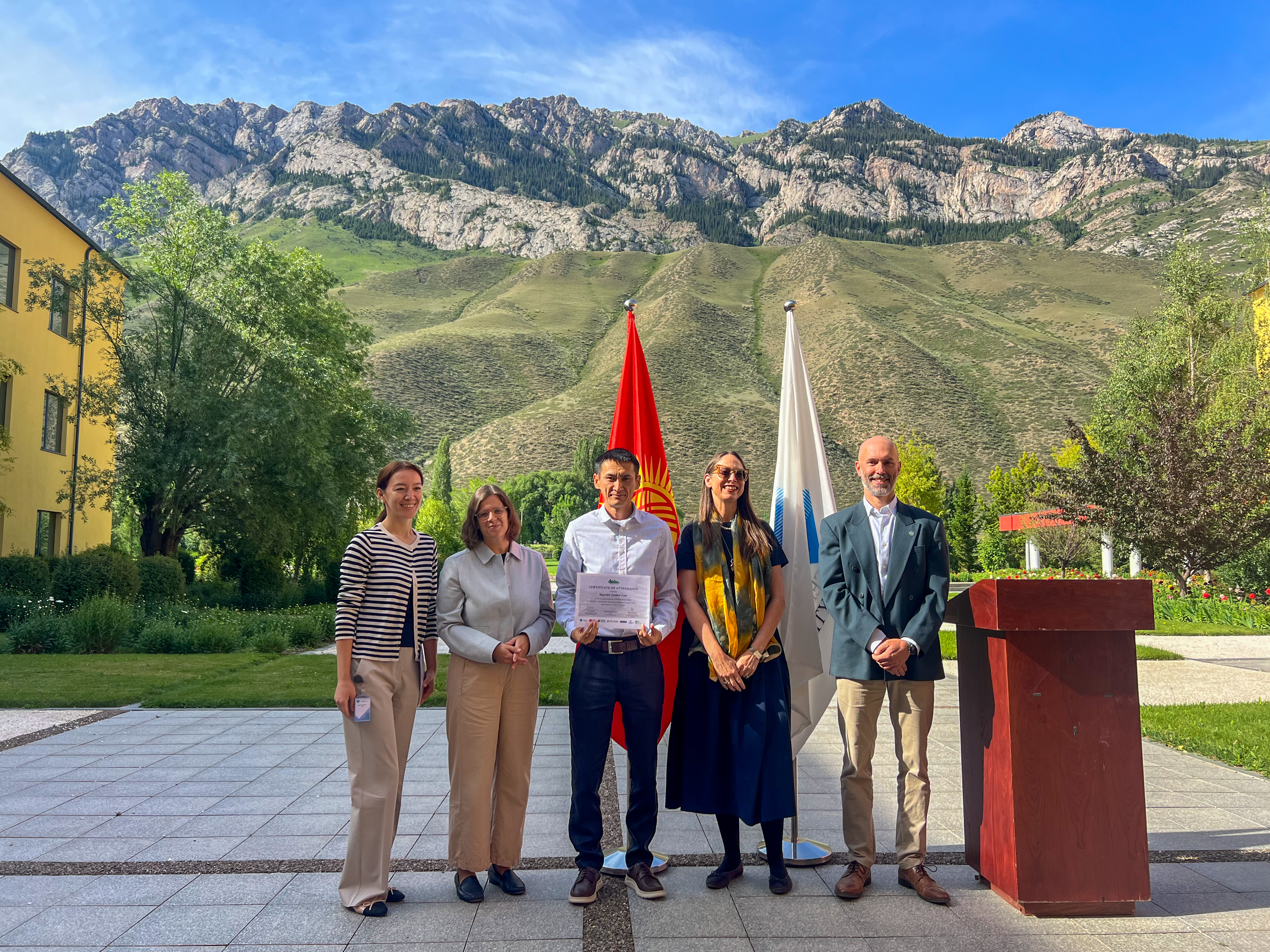
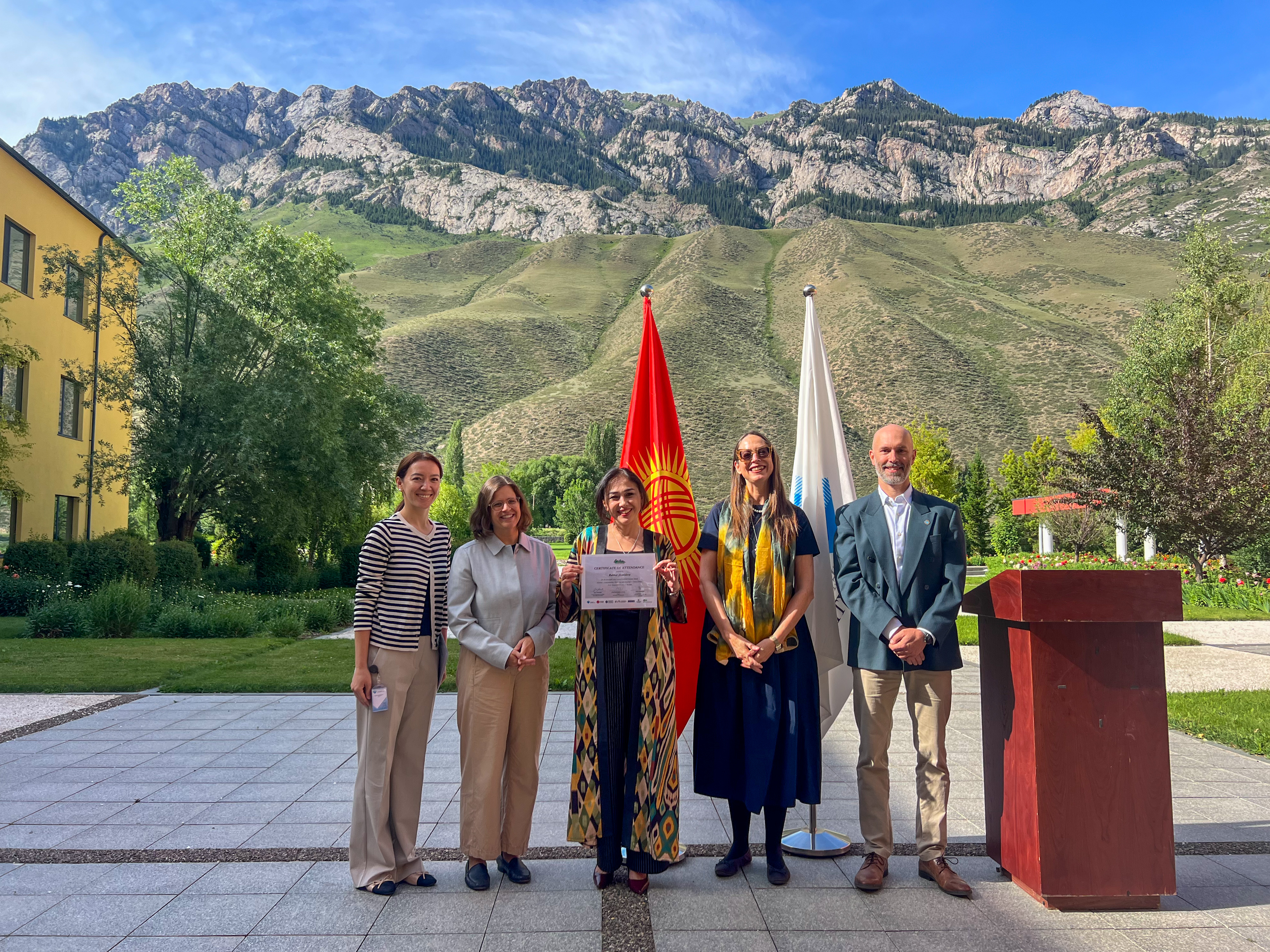
The Summer School concluded with participants presenting group projects addressing practical approaches to glacier preservation, climate adaptation and regional cooperation. Beyond the classroom, the programme laid the foundation for continued collaboration through the creation of an IPROMO Alumni Network, connecting participants across Central Asia with the wider global IPROMO community.
Many participants noted that they plan to integrate the knowledge and approaches gained during the programme into their daily work, strengthening climate adaptation, glacier monitoring and sustainable mountain development initiatives in their respective countries.
As mountain regions continue to experience some of the earliest and most severe impacts of climate change, the first IPROMO Central Asia Summer School represents an important milestone in building the regional expertise, partnerships and shared commitment needed to safeguard glaciers and strengthen the resilience of mountain communities across Central Asia.