

UCA and Tajik Researchers Launch Long-Term Monitoring of the Glacier in the Murghab River Basin
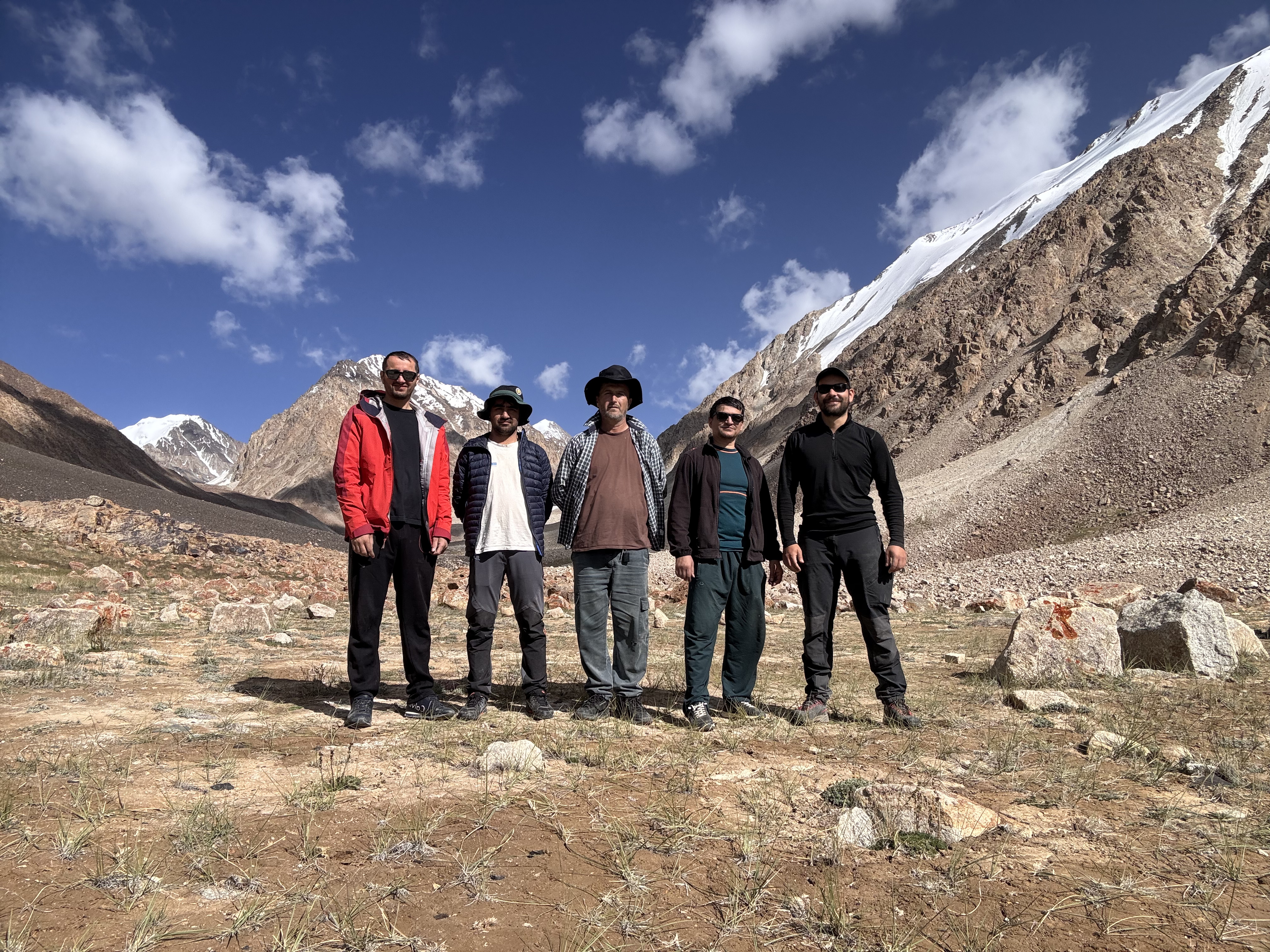
The University of Central Asia (UCA), in collaboration with the Institute for the Study of Glaciers and Cryosphere of the National Academy of Sciences of Tajikistan, has launched a long-term glaciological monitoring programme on Glacier No. 431 in the Murghab River basin in the eastern Pamir.
The first comprehensive scientific expedition took place in early August 2026. Located in the upper reaches of the Dashtob (Elisu) River, the glacier covers approximately 4.7 km² and extends 5.1 km, from around 4,730 to 5,700 metres above sea level.
The expedition addresses an important gap in ground-based glacier observations in the eastern Pamir. While satellite data provide valuable information on glacier extent and changes, systematic field measurements are essential for directly assessing glacier ablation and mass balance.
“Establishing long-term observations on Glacier No. 431 gives us an opportunity to fill an important gap in our understanding of glacier dynamics in the eastern Pamir. The measurements we begin collecting now will provide a baseline for tracking changes in glacier ablation and mass balance over time,” said Hofiz Navruzshoev, a researcher at UCA’s Mountain Societies Research Institute.
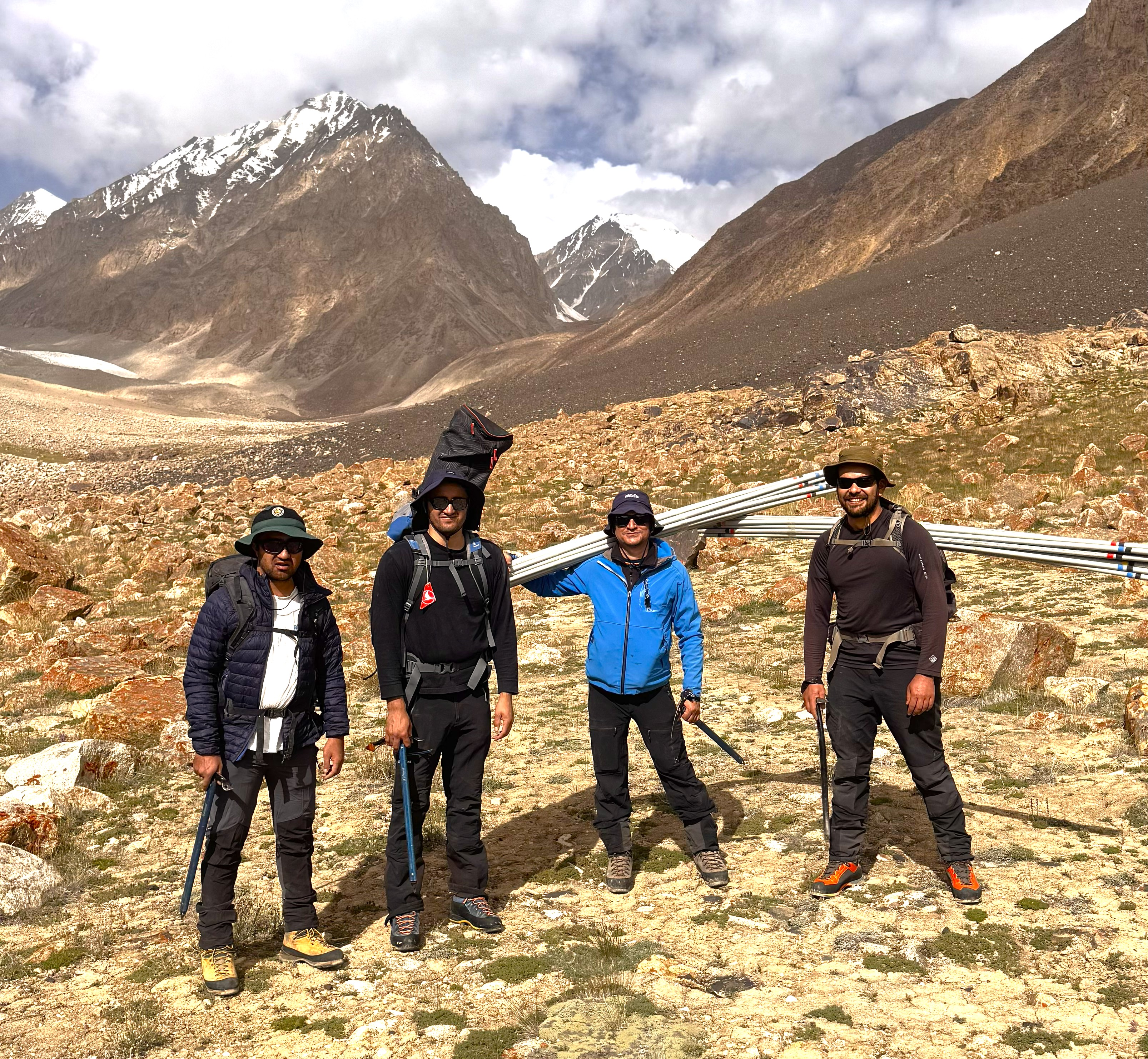
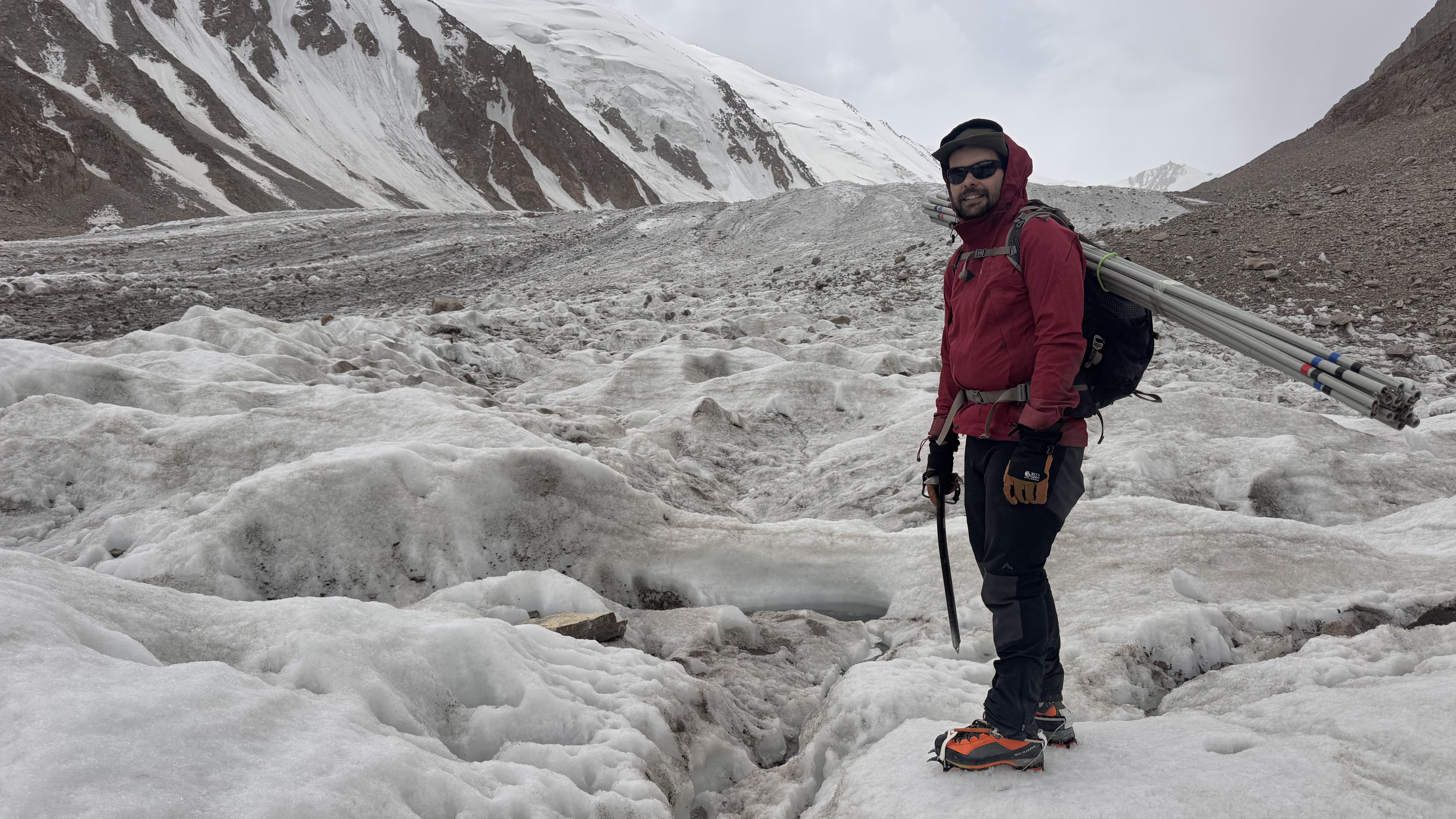
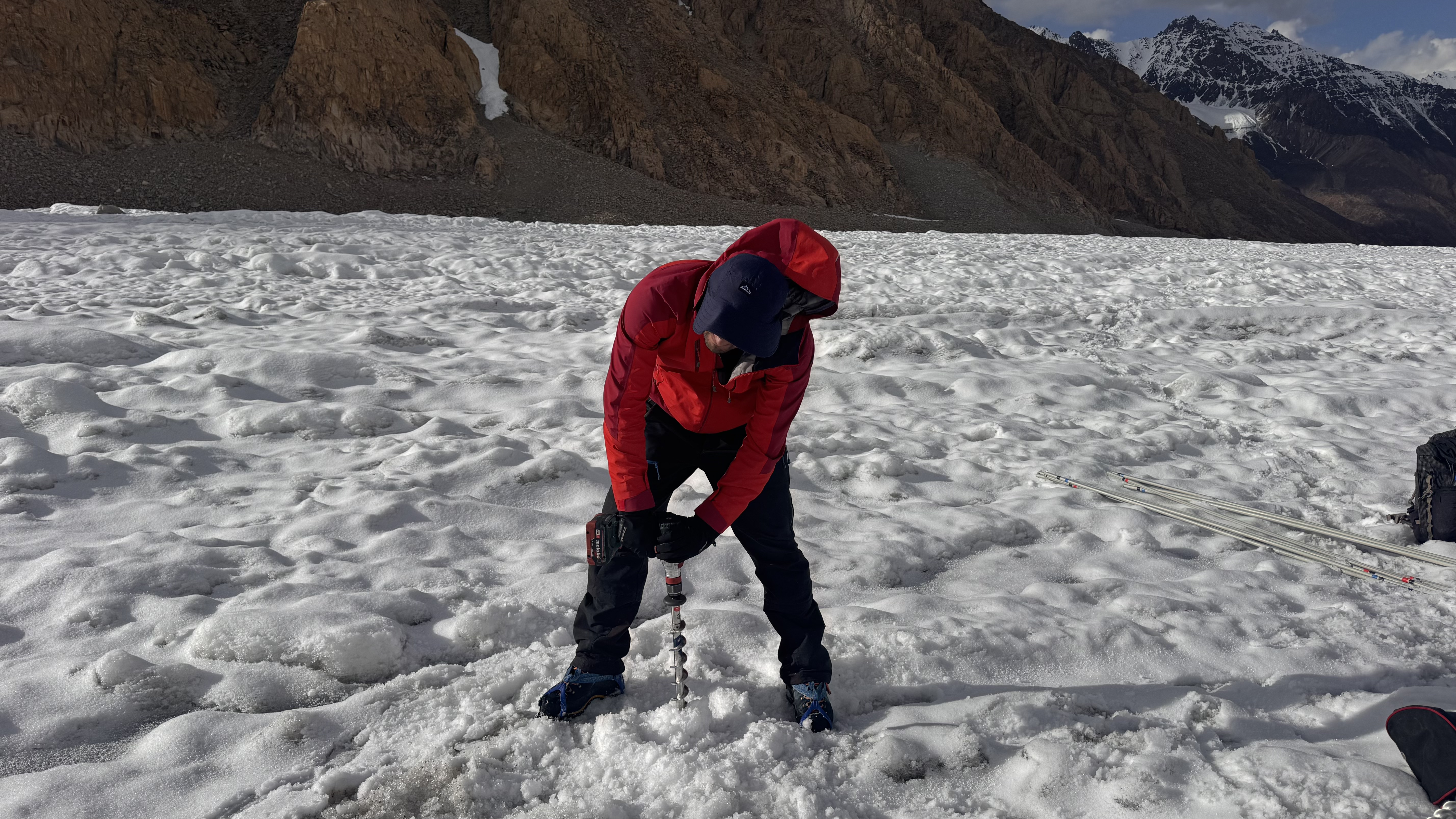
During the expedition, researchers installed 12 ablation stakes across the glacier’s ablation zone and recorded the precise location and elevation of each point. These fixed reference points will allow researchers to measure seasonal and annual changes in the glacier’s surface during future expeditions.
The long-term monitoring programme will extend beyond measurements of ice loss. MSRI and the Institute for the Study of Glaciers and Cryosphere plan to continue regular field observations on Glacier No. 431, including annual measurements at the ablation stakes and snow surveys to assess accumulation.
Future stages of the programme also envisage the installation of an automatic weather station, hydrological observations in the glacier forefield and proglacial zone, high-precision geodetic surveys, and analysis of satellite data.
Together, these observations will help researchers examine the links between climate conditions, glacier dynamics and glacier runoff. The new monitoring site also expands Tajikistan’s network of ground-based glaciological observations into the eastern Pamir, generating valuable long-term scientific data for one of the region’s relatively under-studied glacierised areas.
UCA and Tajik research institutions contribute to a better understanding of glacier change, water resources, and climate resilience in the Pamir.