

UCA Welcomes the First Cohort of MSc in Economics and Data Science Students
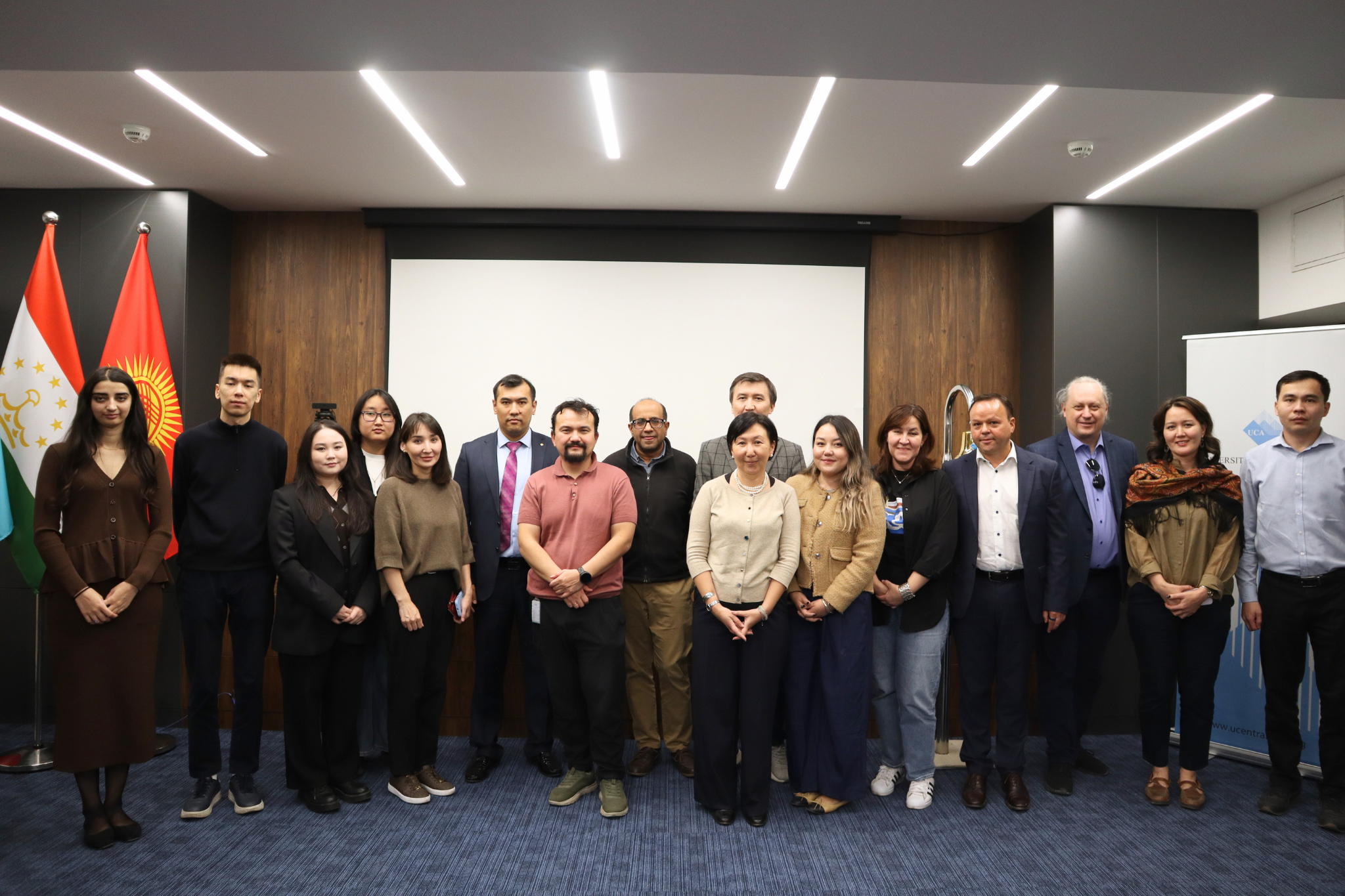
The University of Central Asia (UCA) welcomed the first cohort of its Master of Science (MSc) in Economics and Data Science programme with an orientation day and bell-ringing ceremony in Bishkek, marking the beginning of a new chapter in the University’s academic offering.
The inaugural cohort comprises eight students from all three of UCA’s founding countries: six from Kyrgyzstan, one from Kazakhstan and one from Tajikistan. The group includes six women and two men, bringing together students from across the region to study economics and data science.
Among the students is Kanykey Orozbaeva, Associate Development Coordination Officer for Data Management and Results Monitoring and Reporting at the UN in the Kyrgyz Republic. For her, joining the programme is an opportunity to update her knowledge in a world where continuous learning is increasingly important.
“We live in a time when lifelong learning has become essential. I understand that I need to keep updating my knowledge and developing my skills to respond to changing professional demands,” said Kanykey.
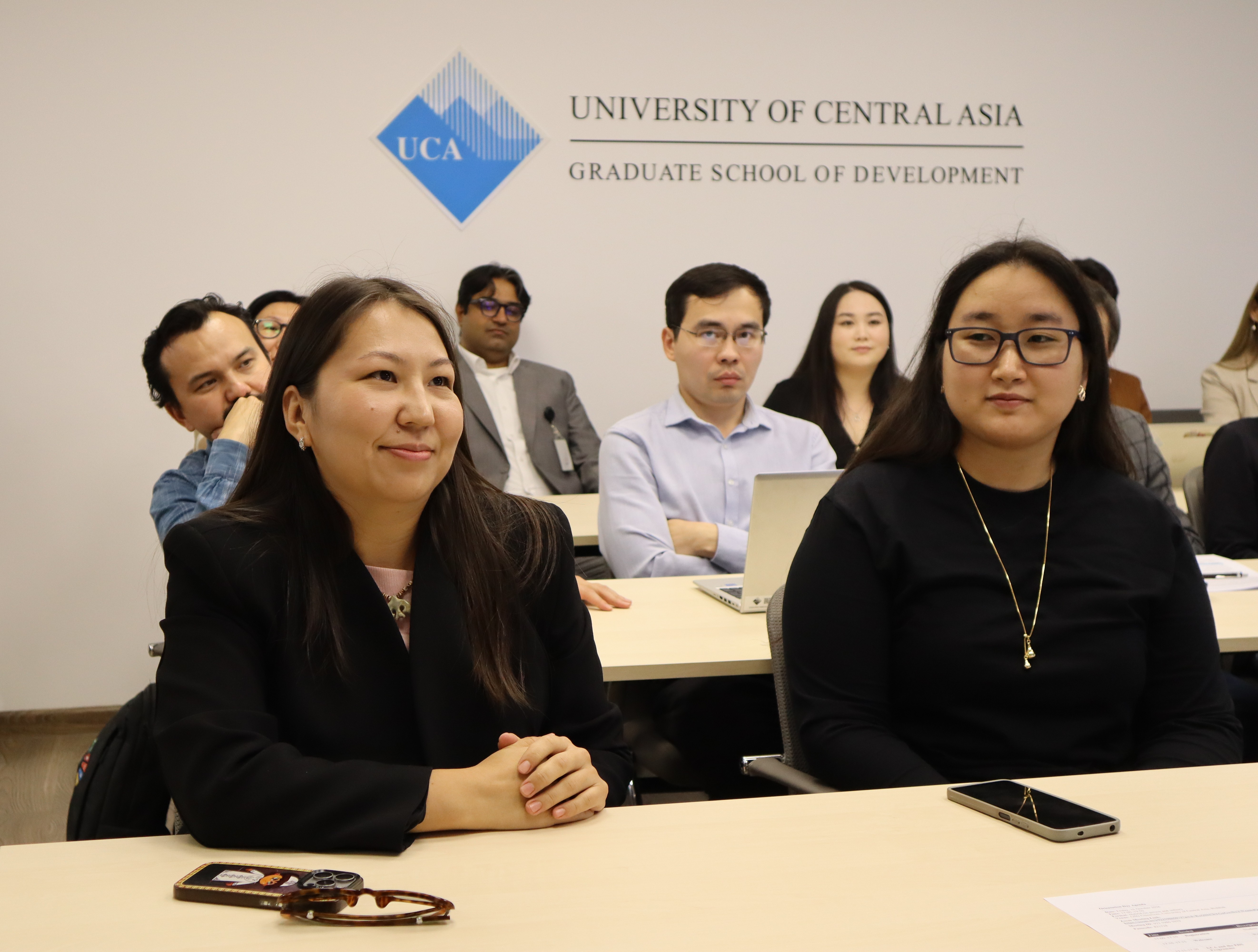
The orientation day introduced students to the programme, its curriculum and learning environment, as well as the academic resources and opportunities available at UCA.

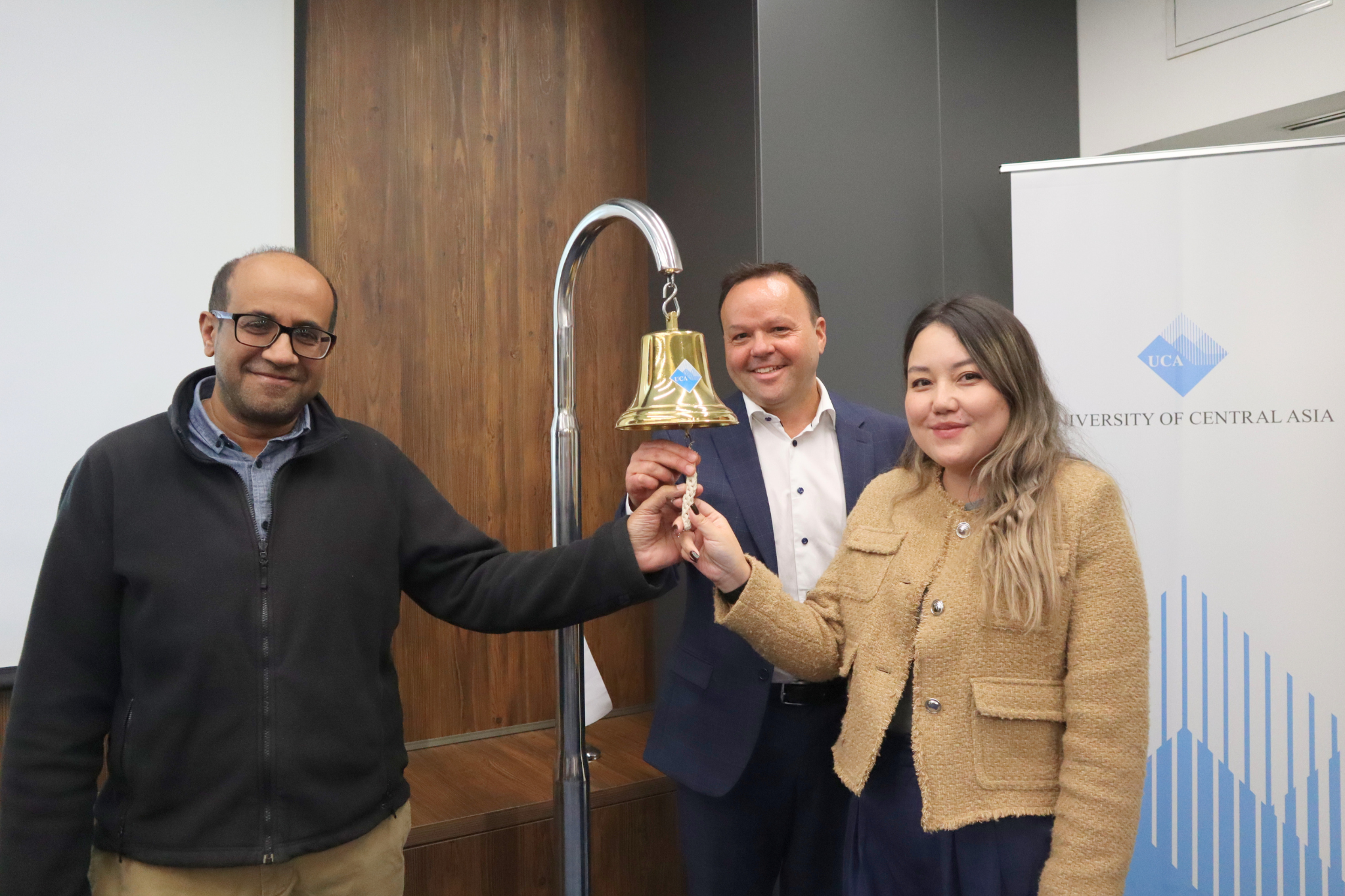
The bell-ringing ceremony marked the start of their postgraduate studies and welcomed them into the University’s academic community.
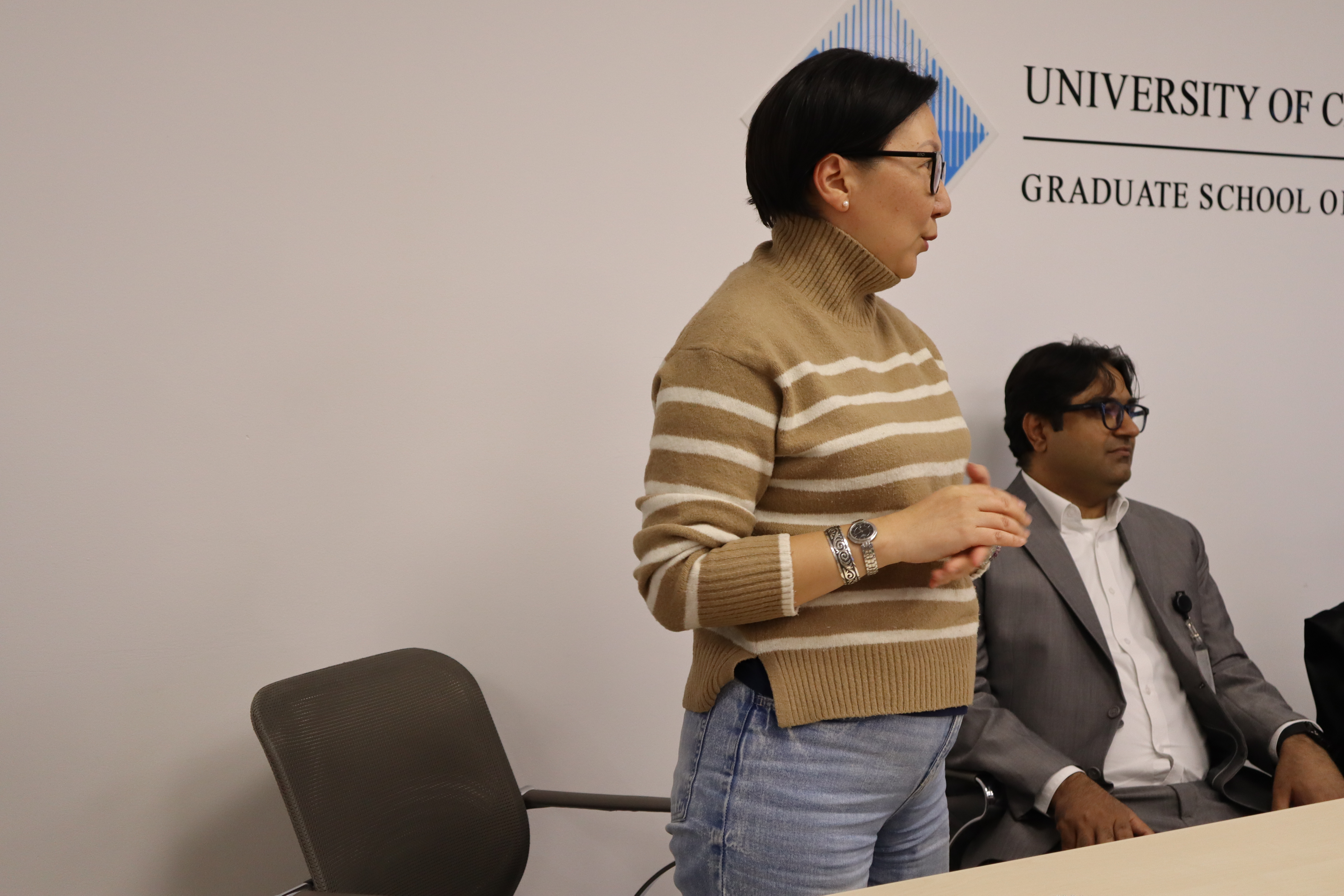
According to Marzhan Aikimbaeva, Associate Director of Education, this programme reflects a broader effort at UCA to strengthen graduate education in the region and respond to emerging regional priorities: “By encouraging graduates with analytical and data-driven skills needed for economic policy, the programme aims to address challenges in areas such as digitalisation, climate action, and sustainable development”.
Preparing professionals for a data-driven economy
UCA’s two-year MSc in Economics and Data Science programme is delivered in English in Bishkek and comprises 120 ECTS credits. Its interdisciplinary curriculum combines economics, mathematics, statistics, programming, data analysis, machine learning and research methods, with a focus on applying these skills to real-world economic and social challenges in Central Asia.
The programme was developed in response to growing demand for professionals who can interpret complex economic developments, analyse data and use evidence to inform decisions across government, business and civil society.
“Today, economies and societies generate more data than ever before, while the decisions facing governments, businesses, and civil society organisations are becoming increasingly complex. We need professionals who understand how economies work, can analyse data, and, most importantly, are able to critically assess information and use it to make well-informed decisions. These are the skills that the new programme is designed to develop,” said UCA Rector Professor Christopher Gerry at the programme’s launch.
Students will also have opportunities to engage with government agencies, international organisations, businesses and other institutions, work with real-world data, contribute to applied research and develop professional networks.