


UCA Explores the Future of Humanities Education in Central Asia in the Age of AI
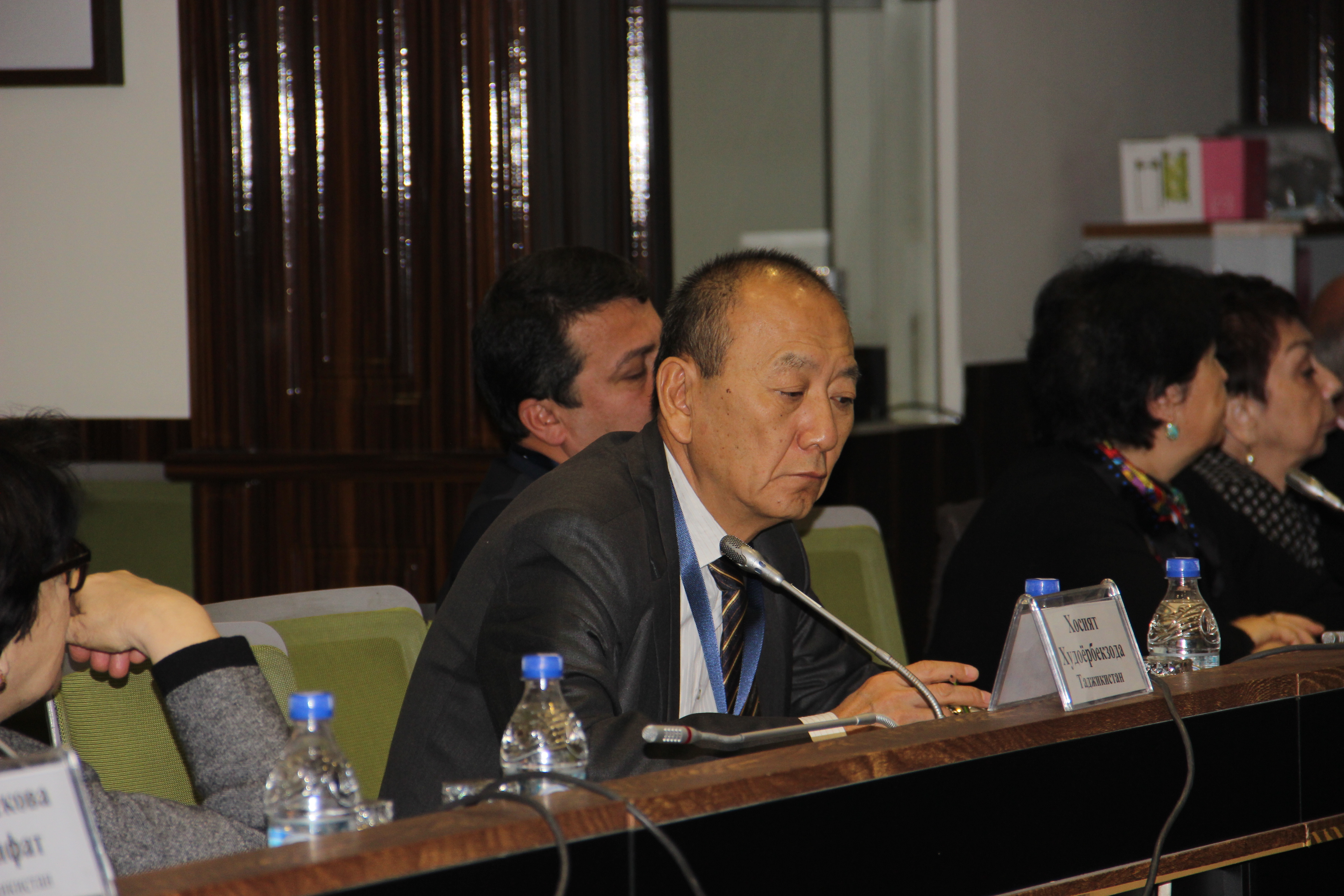
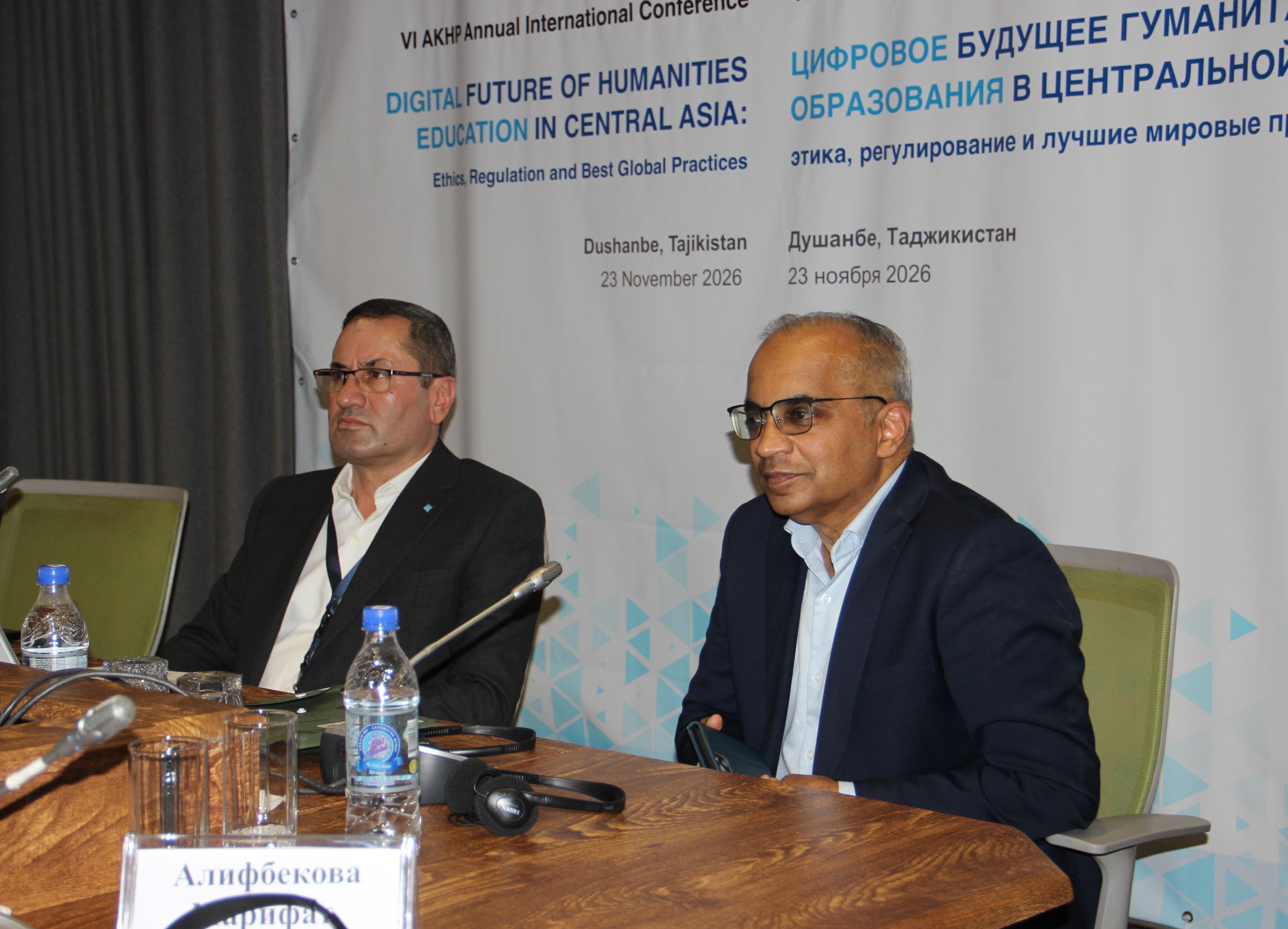
The University of Central Asia (UCA) brought together 50 representatives of universities, research centres and national academies of sciences from Central Asia and beyond to discuss how artificial intelligence (AI) is reshaping humanities education. The 6th Annual International Conference of the Aga Khan Humanities Project (AKHP), held in Dushanbe, Tajikistan, focused on the theme “Digital Future of Humanities Education in Central Asia: Ethics, Regulation and Best Global Practices”.
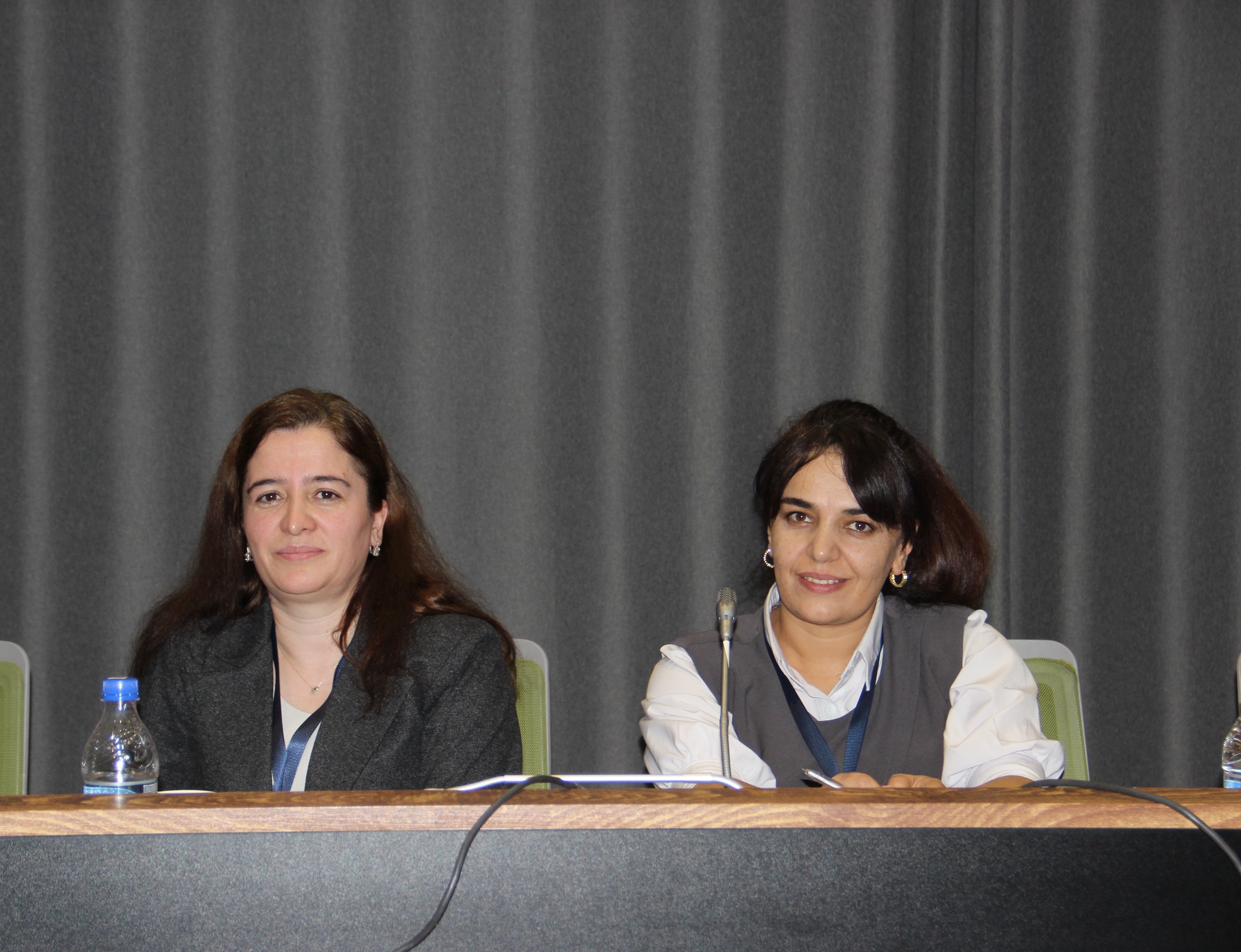
Organised by AKHP within UCA’s Graduate School of Development, the conference provided a platform to examine both the opportunities and challenges AI presents for education and society. Participants joined both in person and online.
The opening session featured remarks by UCA Rector Professor Christopher J. Gerry; Head of Department at the Ministry of Science, Higher Education and Innovation of the Kyrgyz Republic; Zhabudaev Turukmen.



AI, Ethics and the Future of Education
The conference programme included four thematic sessions addressing key dimensions of AI’s impact on education and society:
- Ethical Aspects of Digital Humanities Education
- Policy, Regulation and Governance
- Digital Pedagogies and Innovations
- Cultural Heritage and Identity in the Era of AI
Discussions highlighted the importance of placing ethical principles at the centre of AI integration in education. Participants emphasised that technological progress should go hand in hand with the protection of humanistic values, critical thinking and responsible use of digital tools.
The sessions also explored digital sovereignty and linguistic diversity in Central Asia, including ways to use emerging technologies to preserve the region’s cultural and linguistic heritage. Participants discussed approaches to digitising cultural and sacred heritage, as well as the role of digital archives in preserving collective memory, particularly in contexts affected by conflict and displacement. Such archives can also serve as a form of symbolic presence for diasporas and displaced communities.
Regional cooperation emerged as another important priority. Participants highlighted the potential for countries across Central Asia to work towards shared approaches to AI governance and regulation, as well as a more connected digital education ecosystem.
“In the era of AI, we must not simply implement technologies, but learn to use them responsibly and transparently,” said Abdulmamad Iloliev, Director of AKHP at UCA.
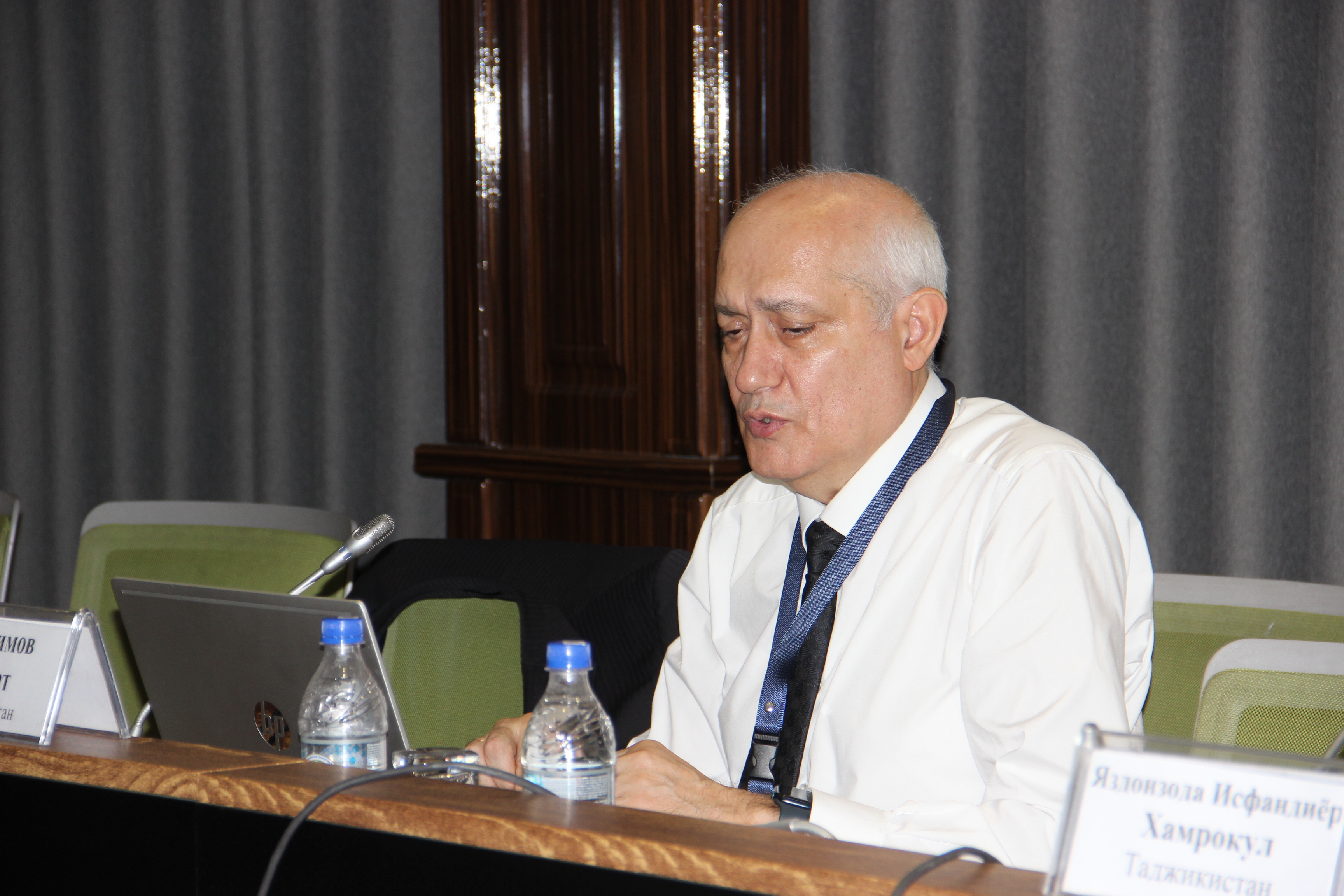
Pulat Shozimov of UCA noted that the growing availability of AI-generated answers is changing the purpose of education: “In a world where AI provides ready-made answers, the value of education shifts from the transmission of knowledge to the art of asking questions.”
The conference marked an important step towards developing an educational anthology for students across Central Asia, with work on the publication scheduled to begin in 2027. The initiative aims to contribute to humanities education in the region by bringing together perspectives and approaches relevant to the changing digital landscape.