


From Toronto to Kyrgyzstan: How the University of Toronto Computer Science is Going International
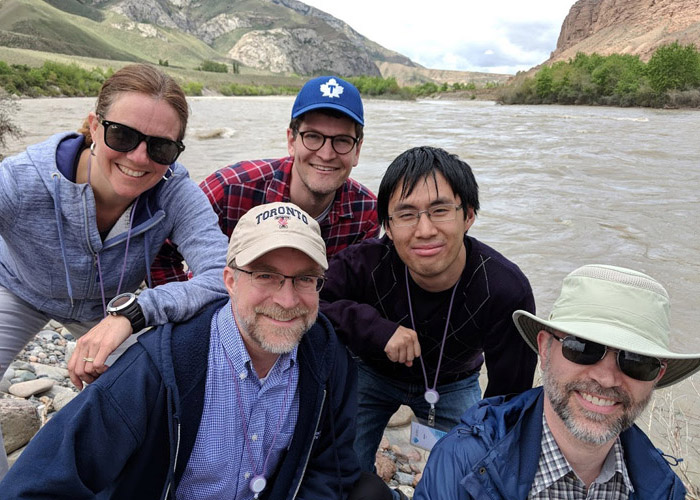
U of T computer scientists (from left to right) David Liu, François Pitt, Michelle Craig, Paul Gries and Alec Jacobson in the courtyard of the University of Central Asia in Naryn (photos by Kyros Kutulakos).
This project was made possible with the support from the Government of Canada, and the article was originally published by the University of Toronto in Canada.
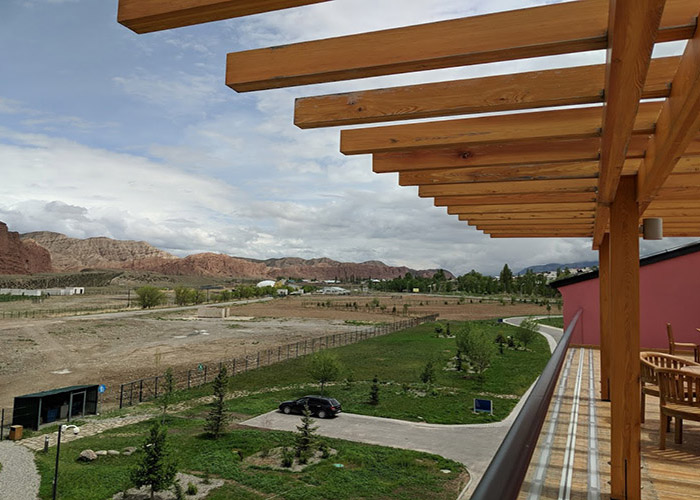
Along Kyrgyzstan’s ancient trade route between China and the Mediterranean, known as the Silk Road, is the small town of Naryn. It’s a place where cars stop for the rush-hour herds of sheep, horses and yaks, which continue to fuel the area’s economy. Away from the town’s centre, unexpectedly rising next to the Tien Shan Mountains, are yellow, red and pink buildings, forming a most Instagram-worthy setting for learning.
It’s here – where old world meets new – that the University of Central Asia (UCA) will establish its first computer science curriculum with the support of the University of Toronto’s (U of T) department of computer science.

“For our own benefit, it gives us a chance to take a second look at the work we're doing and reorganize some of our own curriculum,” said Engels, who worked closely with David Liu, an assistant professor, teaching stream, on the initial phases of the program design. “It’s an honour to be part of the Aga Khan’s mission to create centres of education in developing countries.”
The U of T faculty met with students who will take the computer science courses they’ve designed, starting next year. And, they were able to enjoy some of the food specific to the region (photo left).
“The students gave us a lot of context. Other local universities teach programming from the start, and the students felt they were behind, as they’re in the preliminary year of a five-year program,” said Gries.
“We reassured them that the groundwork they were doing was going to help them when they start learning computer science – it’s a tool, and in order to use the tool properly, they need to understand the context in which it is applied.”
Industry will also be a vital part of the Central Asian university’s success. Local software company, SpalMalo, shared the challenges they face when seeking talent, as educated students typically move on to wealthier regions or countries, so exposure to local opportunities through internships and placements will be key.
Like the town itself, population 35,000, the Naryn campus is small: Only 15 students per class, though eventually there will be two cohorts and 30 computer science students in total, whereas more than 350 undergraduates will graduate from the U of T computer science program this spring.
Faculty will also live on Naryn campus which also offers media and communication studies. University of Central Asian campuses in Tajikistan and Kazakhstan will focus on other subjects from earth and environmental sciences to business and engineering.
“It was an incredible experience,” said Gries of visiting Kyrgyzstan. He will plan the university's second-year software design course.