


University of Central Asia Convenes the International Conference on Mountains, Climate and Health in Central Asia
The University of Central Asia (UCA) convened more than 200 researchers, policymakers, development practitioners and international partners to examine how climate change is affecting the health, livelihoods and well-being of mountain communities across Central Asia, through its first International Conference on Mountains, Climate and Health in Central Asia.
Central Asia is one of the world’s most climate-vulnerable regions. Mountain areas are warming faster than the global average, with rapid glacier retreat, shifting precipitation patterns, and more frequent extreme weather events already affecting public health, food security, water resources, livelihoods, and infrastructure across the region.
Opening the conference, Professor Christopher J Gerry, Rector of the University of Central Asia, emphasised the need to understand climate change not only as an environmental phenomenon, but increasingly as a human challenge affecting health, livelihoods and well-being in mountain communities. In his remarks, Prince Aly Muhammad Aga Khan highlighted the importance of investing in knowledge, partnerships and human capacity to support the resilience and sustainable development of mountain societies. Opening addresses were also delivered by Mr Almaz Musaev, Deputy Minister of Natural Resources, Ecology and Technical Supervision of the Kyrgyz Republic, and Mr Nurlan Kurmalayev, Vice Minister of Ecology and Natural Resources of the Republic of Kazakhstan.
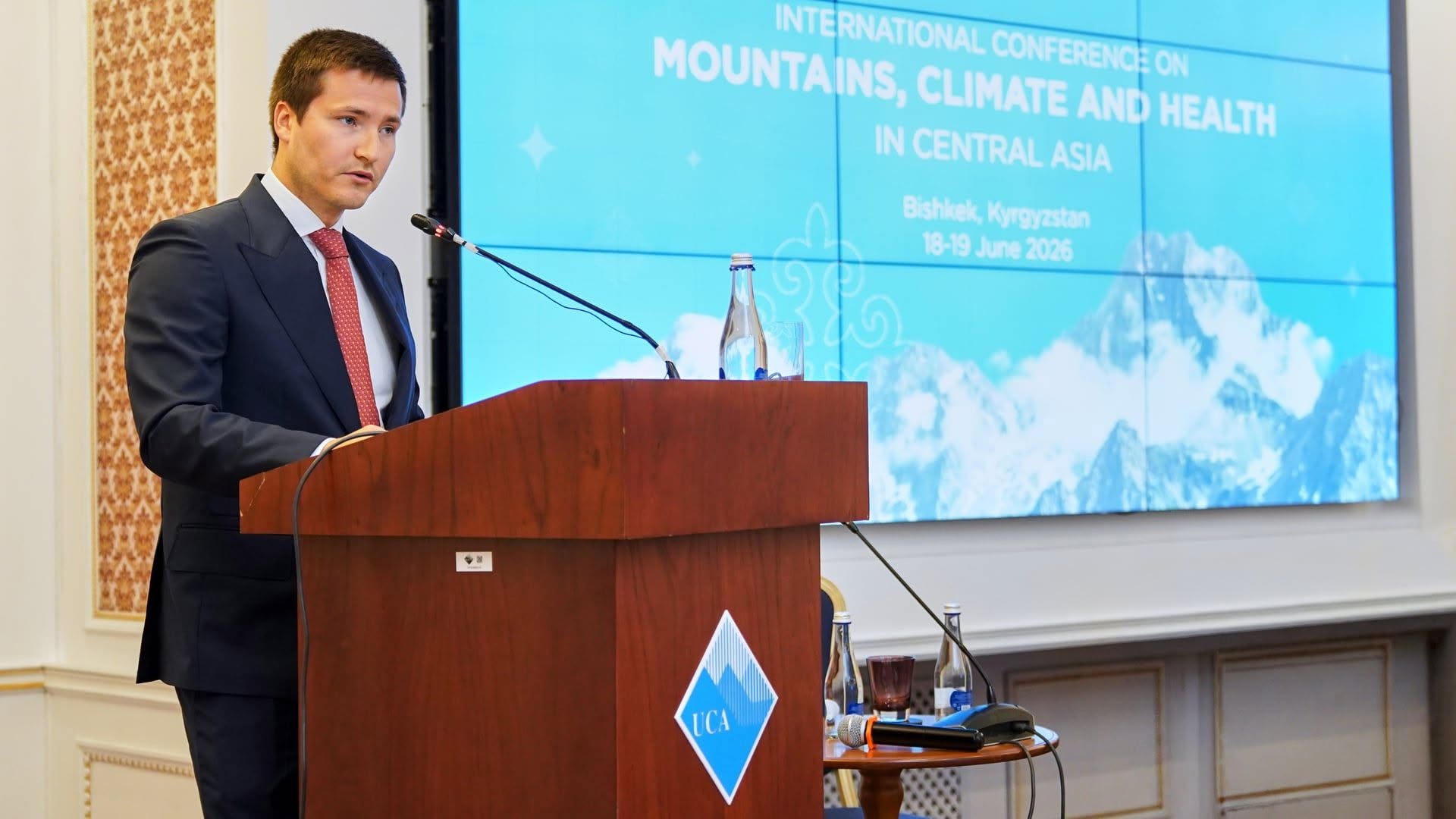
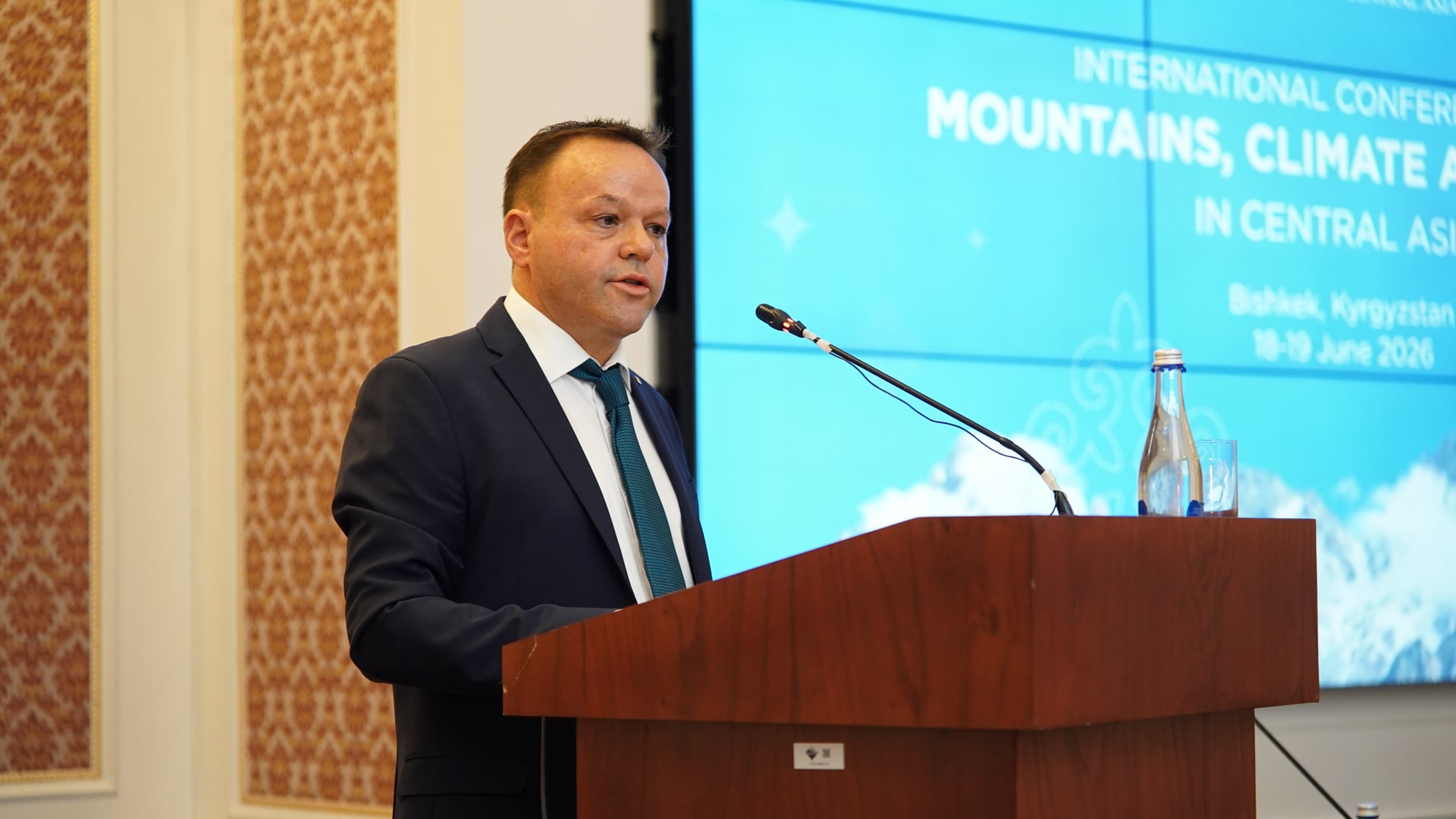
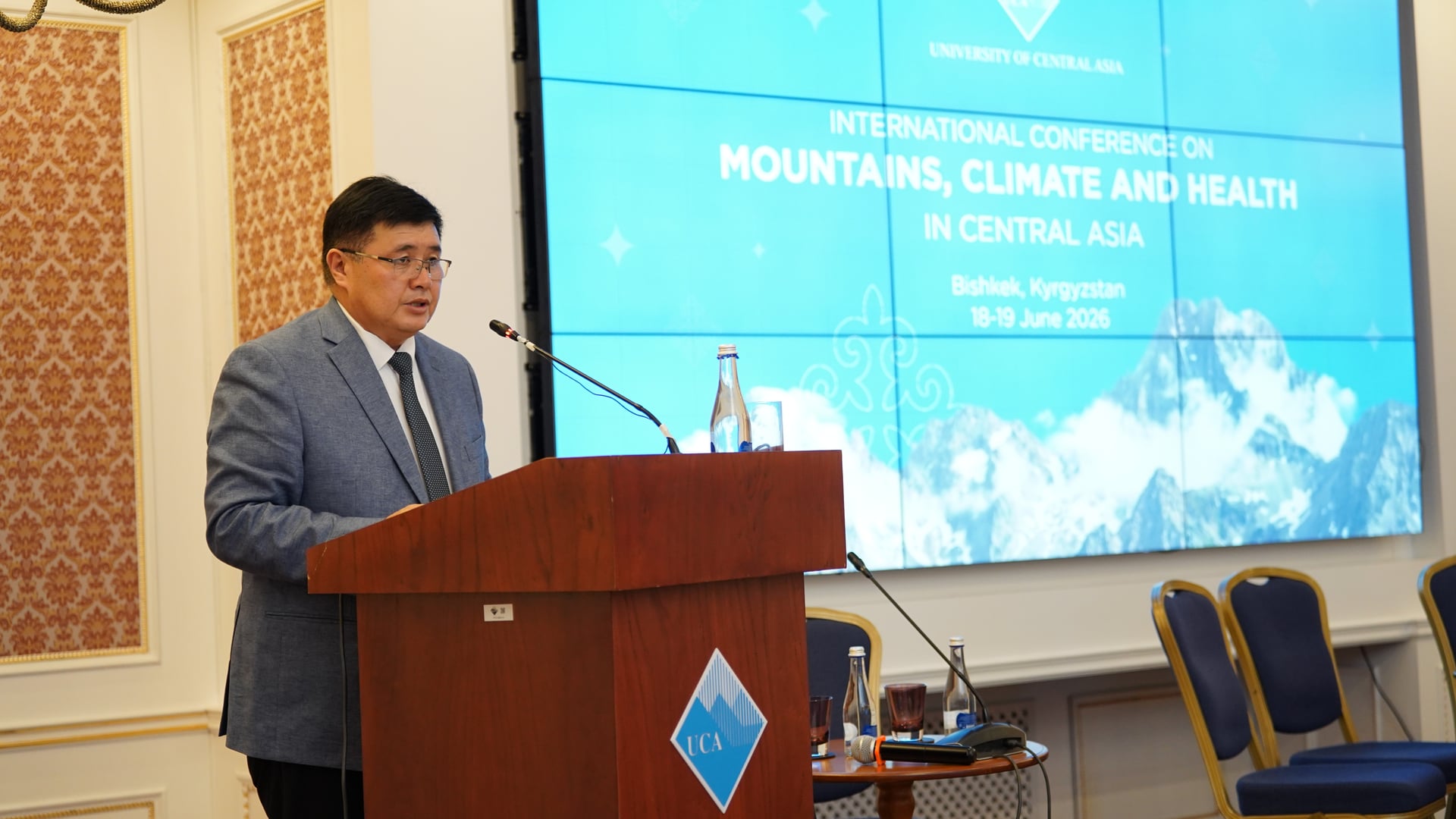
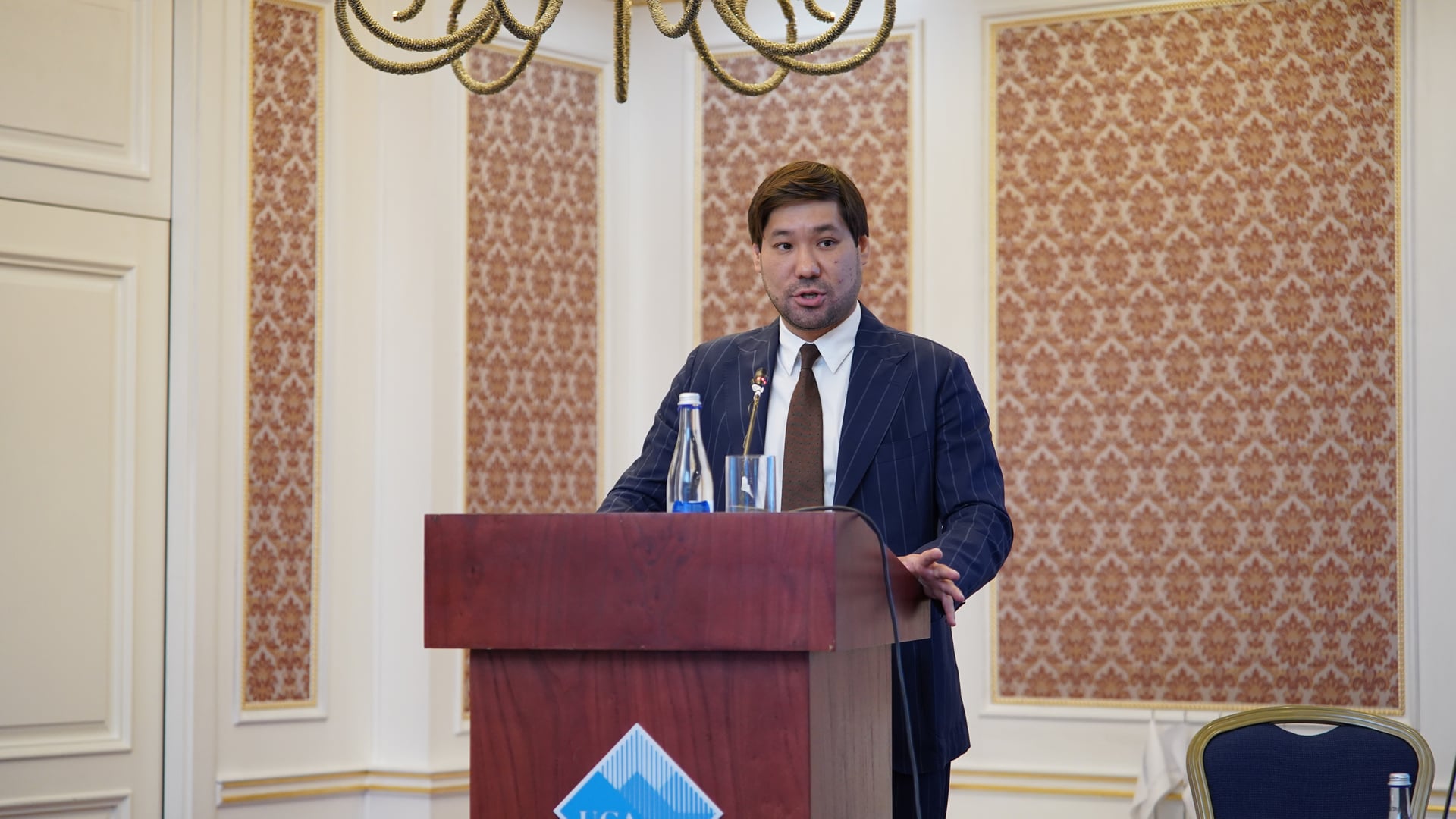
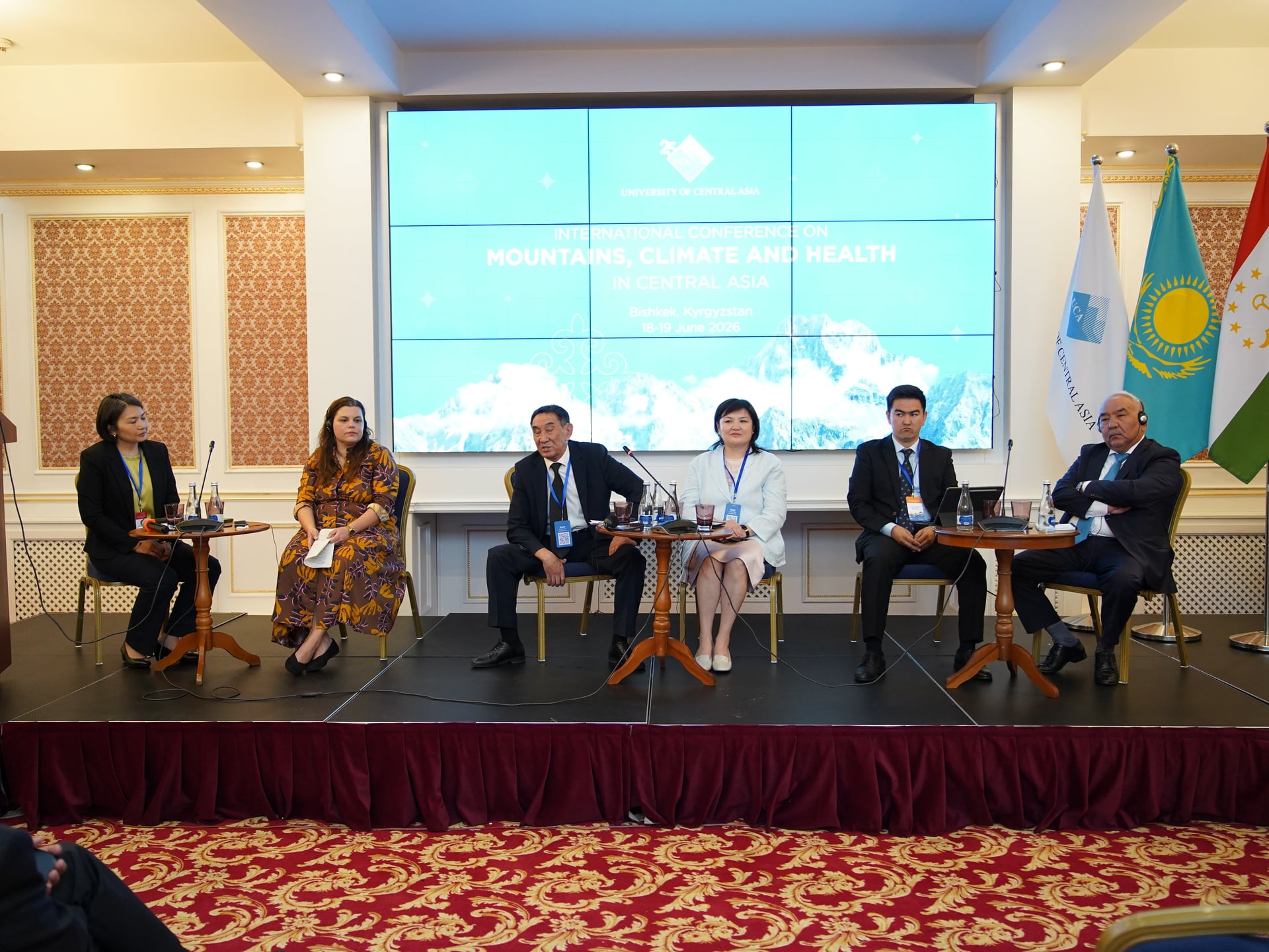
The conference reflected UCA's growing role as a regional centre for research, policy engagement and knowledge exchange on the opportunities and challenges facing mountain societies. Through its research institutes, academic programmes and partnerships, the University is increasingly contributing evidence and expertise to support decision-making on climate resilience and sustainable development across Central Asia.
A central theme of the conference was the need to understand climate change not only as an environmental phenomenon, but as a human challenge affecting health, livelihoods, food systems, economic opportunity and community resilience. Participants, from Kyrgyzstan, Tajikistan, Kazakhstan, Uzbekistan, Germany, the United States, France, Norway, Canada, Pakistan, the United Kingdom, and Switzerland, explored how changing mountain systems are increasingly shaping the everyday lives and well-being of the people who depend upon them.
Particular emphasis was placed on mountain-specific challenges that are often overlooked in global climate and health discussions. While mountain regions experience some of the earliest and most severe impacts of climate change, they remain underrepresented in research, policy frameworks, and financing mechanisms. The conference also showcased emerging research on glacier dynamics, water security, air quality, food systems, human health, climate-induced vulnerabilities, and innovative approaches to climate–health data and decision-making.
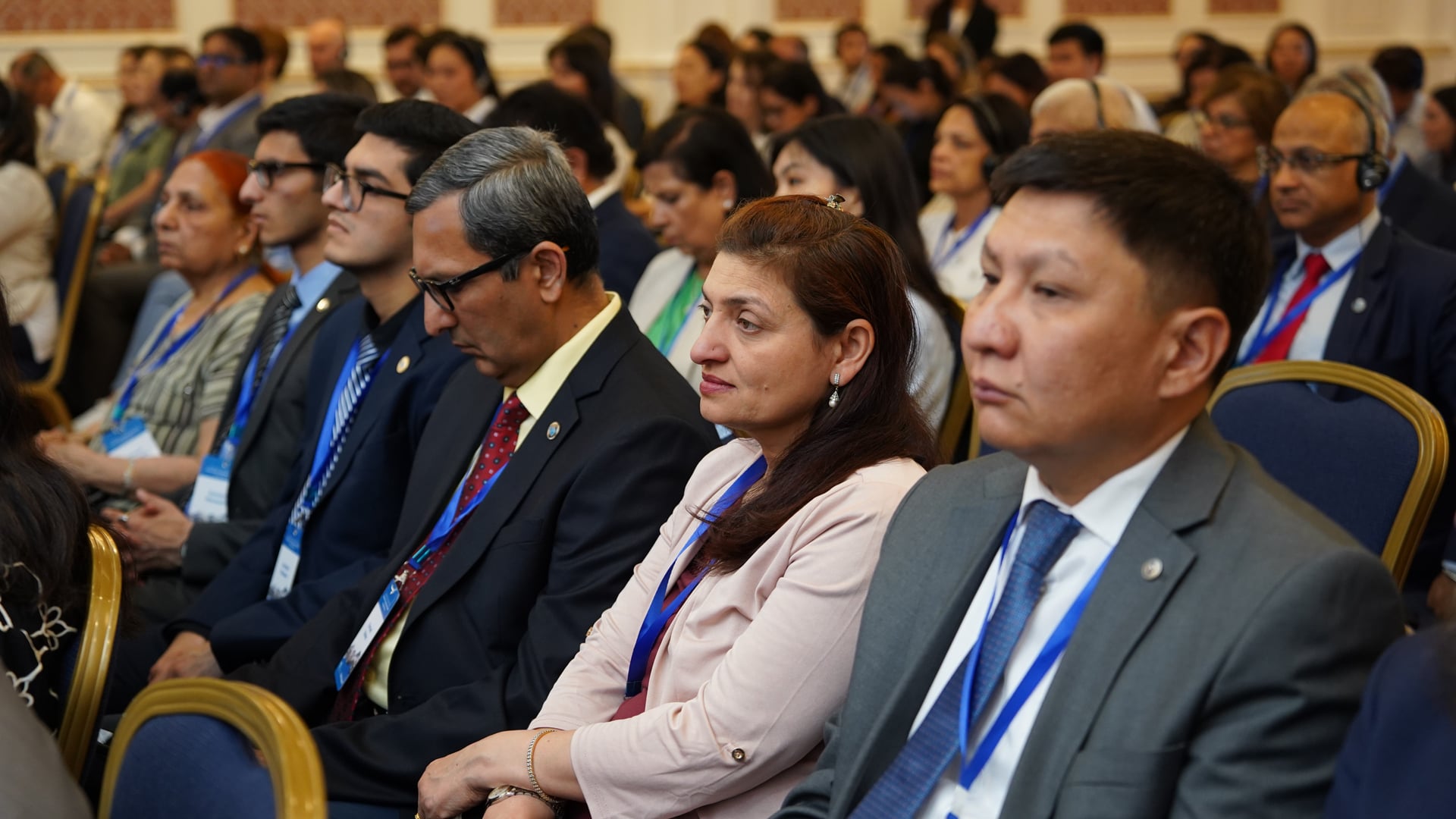
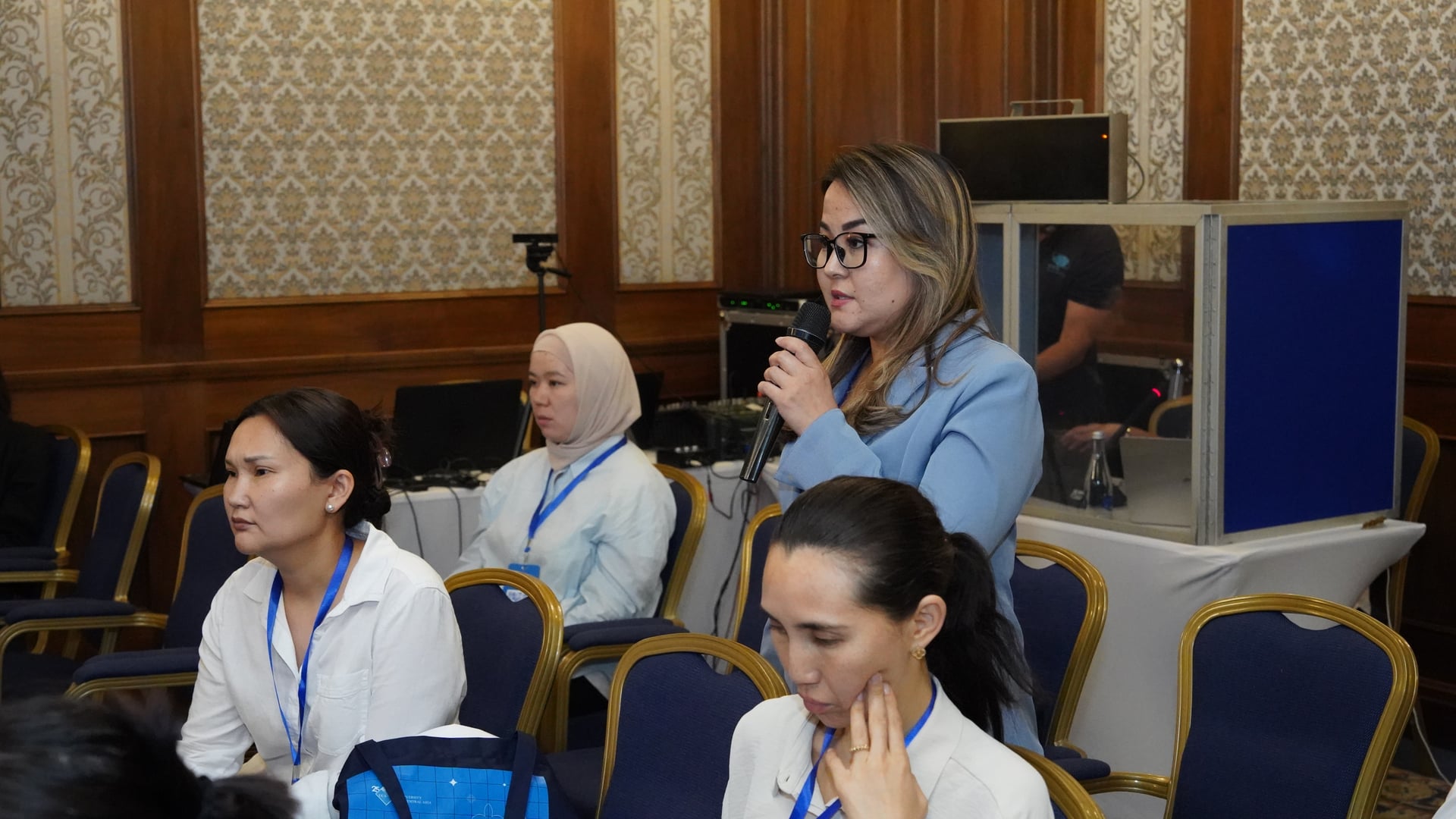
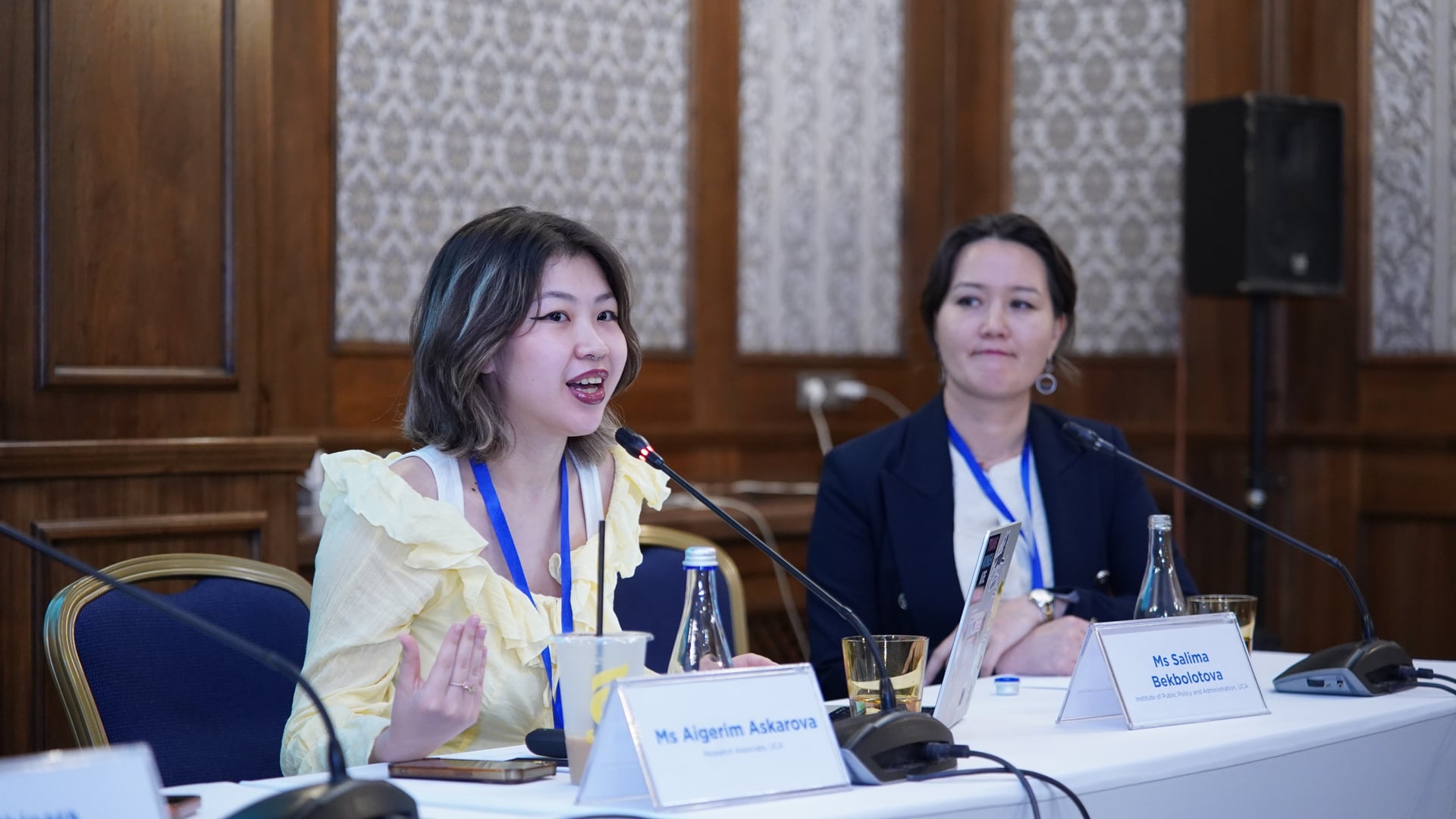
Speakers included senior government representatives, international organisations, leading researchers and development partners. Among them was Mr Guangzhe Chen, Vice President of the World Bank Group's Planet Vice Presidency, reflecting growing regional and international attention to the challenges facing mountain communities.As preparations begin for the Bishkek+25 Global Mountain Summit in 2027, the conference underscored the importance of strengthening the connections between research, policy and practice. Participants highlighted the need for greater collaboration, investment and evidence-informed action to protect the health, resilience and prosperity of mountain communities across Central Asia. Through its programmes in education, research and community engagement, UCA will continue to contribute research, convening power and regional partnerships in support of that goal.