


UCA Leads First Expedition Assessing Winter Mass Balance of Pamir Glaciers
University of Central Asia in cooperation with the State Scientific Institution “Center for Research of Glaciers of the National Academy of Sciences of the Tajikistan” successfully conducted the first scientific field expedition to assess the winter mass balance of Pamir glaciers at Glacier No. 457 in the Gunt River basin.
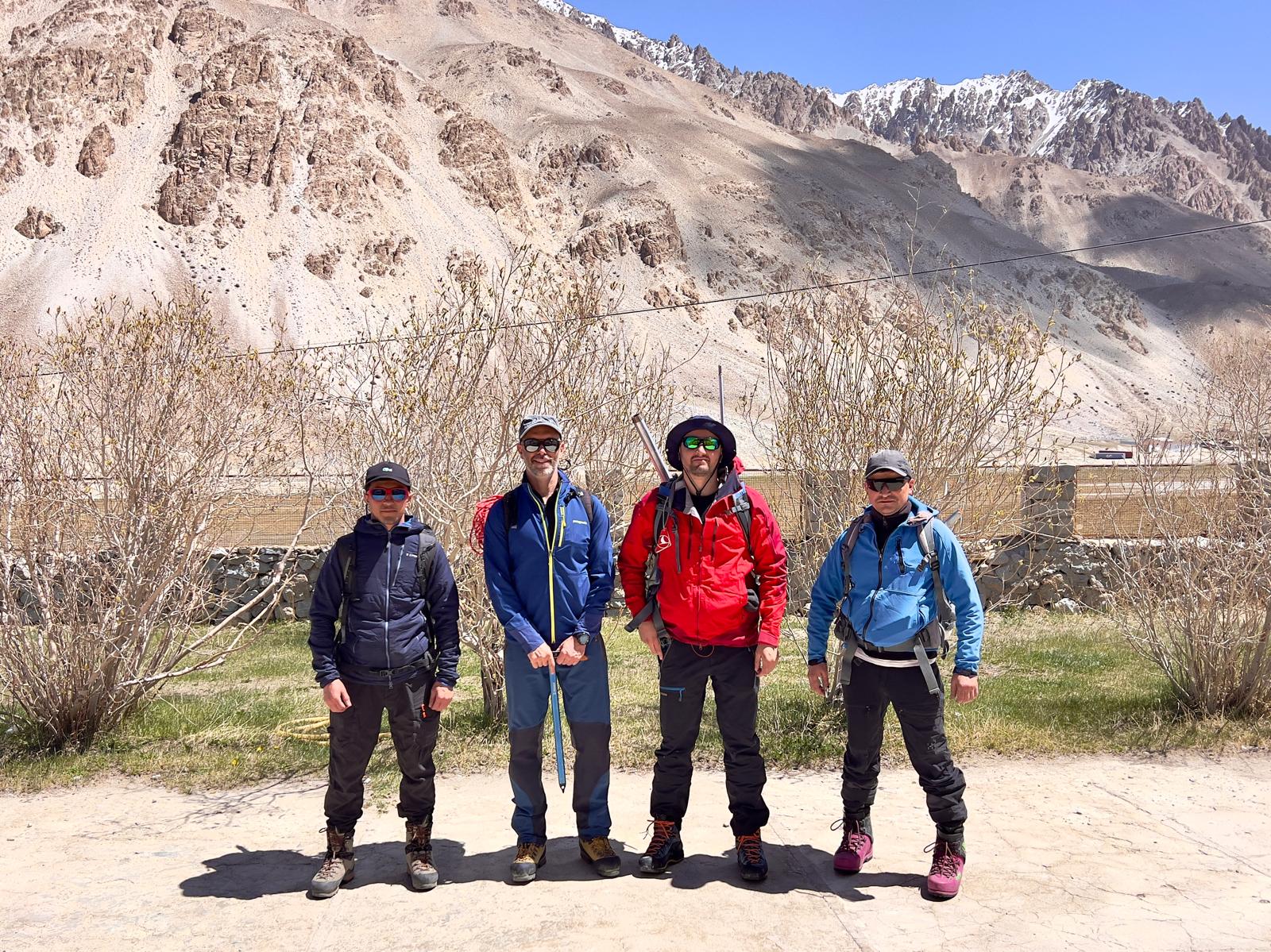
The expedition took place from 6–15 May 2026, as part of the global initiative “Decade of Action for Cryospheric Sciences, 2025–2034” launched by the President of the Republic of Tajikistan. Researchers, Denis Samyn and Hofiz Navruzshoev from UCA’s Mountain Societies Research Institute (MSRI) participated in the study.
The expedition marked a significant milestone in the development of glaciological research in Tajikistan. For the first time in the history of independent Tajikistan and the high mountain Pamirs, the team carried our direct field measurements of glacier winter mass balance.. Until today , glacier monitoring in the region had largely relied on observations of glacier dynamics, summer ablation processes, and remote sensing methods.
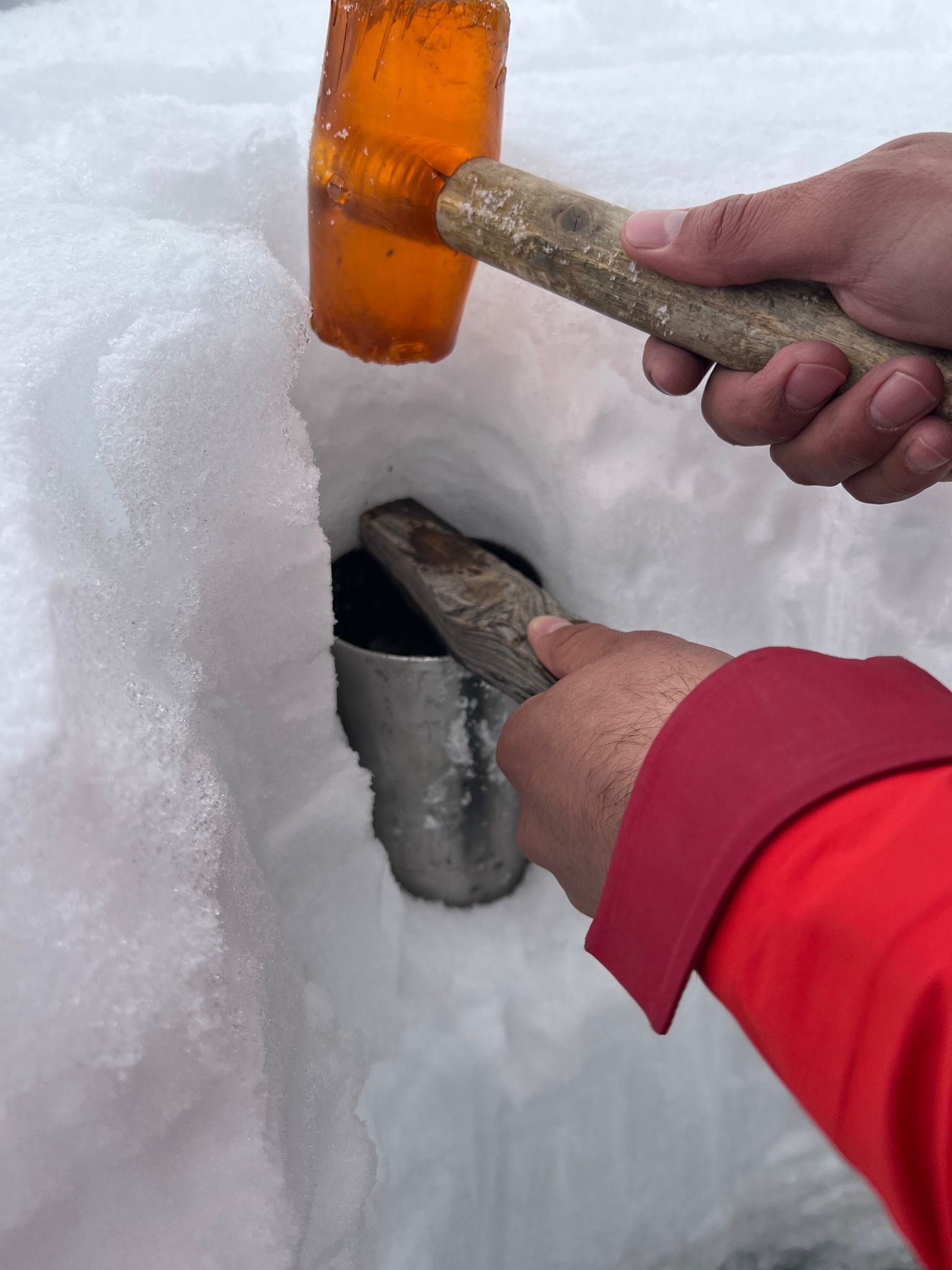
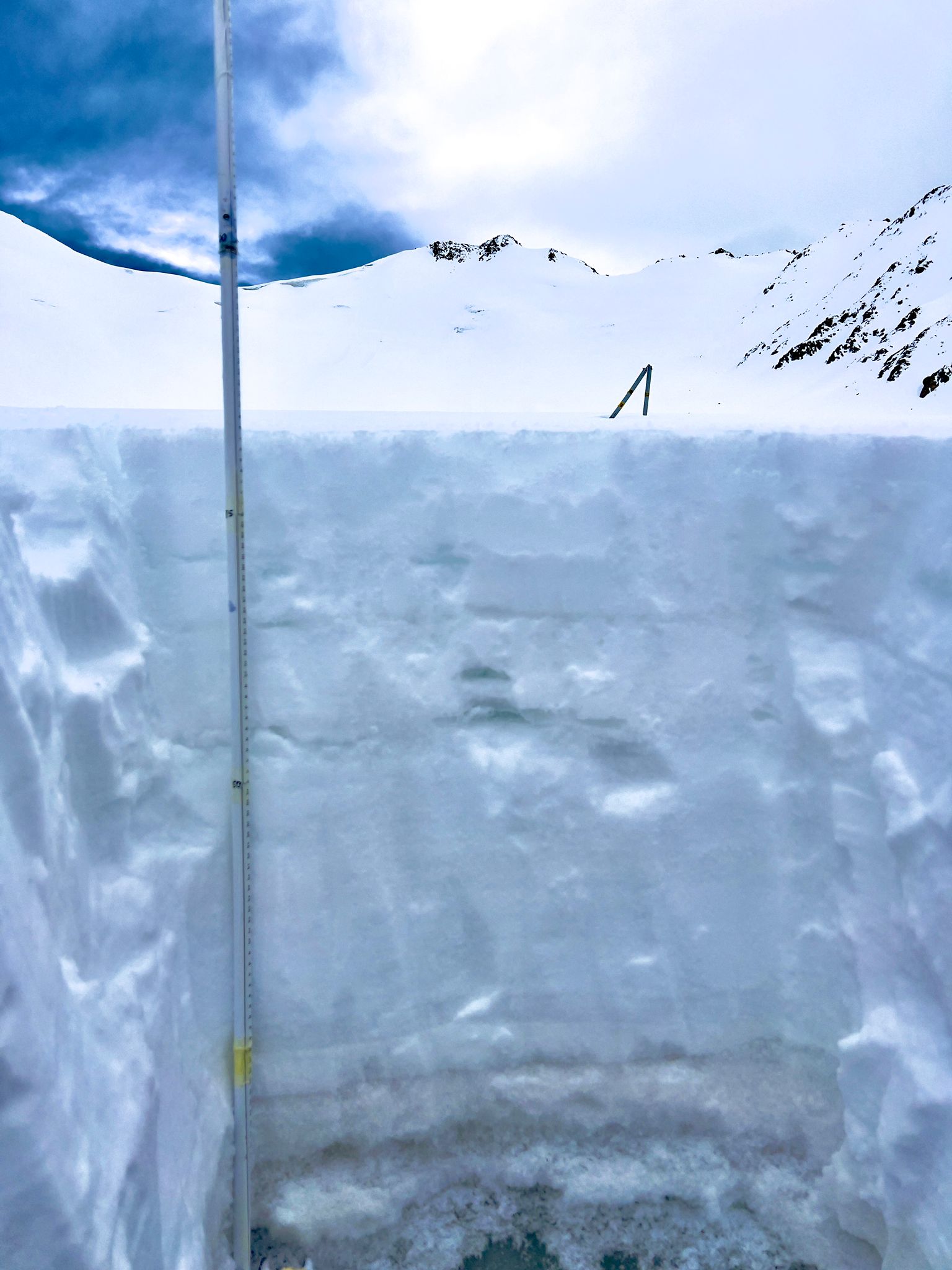
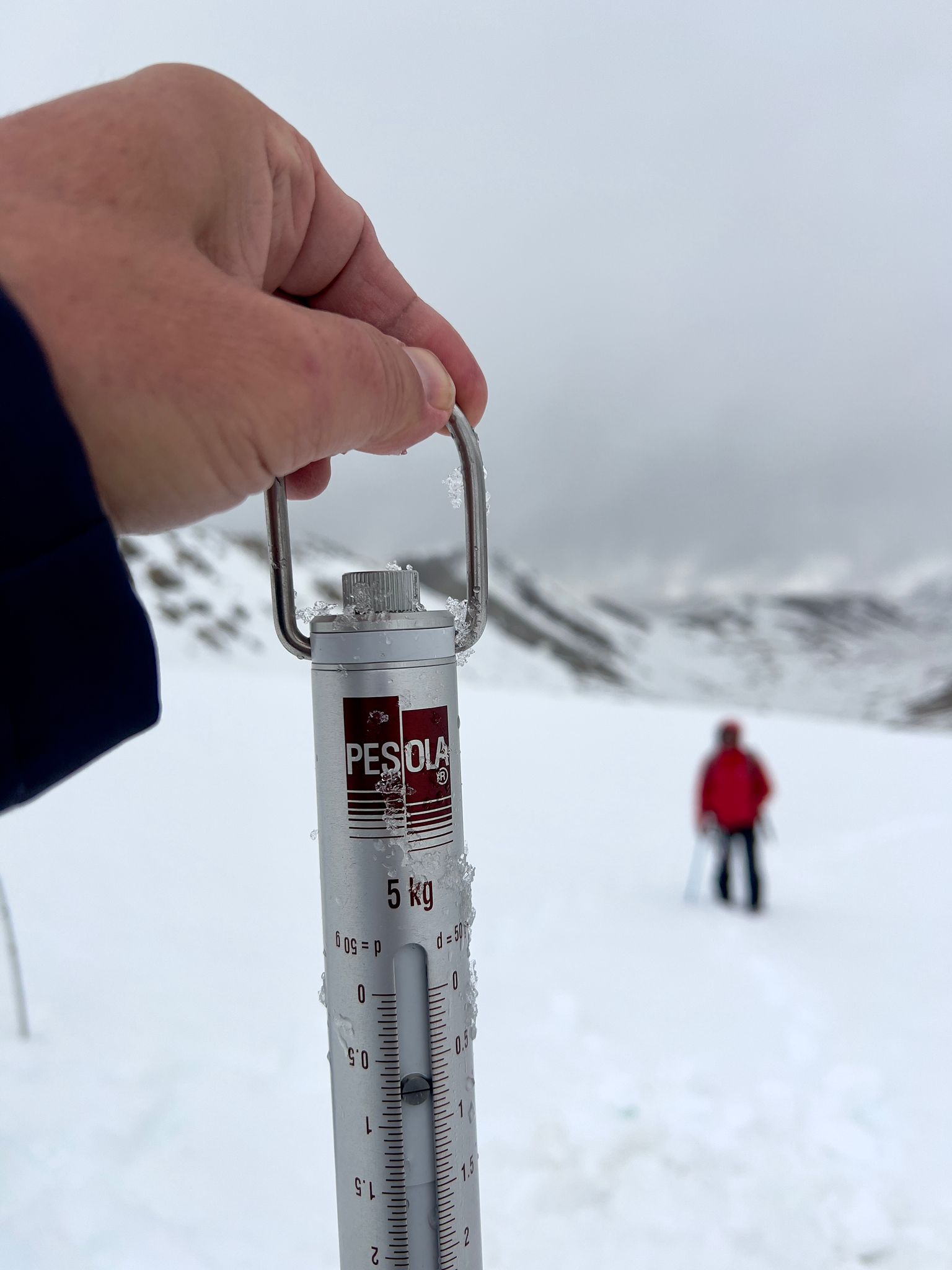
During the expedition, scientists conducted comprehensive field studies, including snow pit excavation across different elevation zones of the glacier, measurements of snow depth, snow density analysis, and assessment of the spatial distribution of snow reserves.
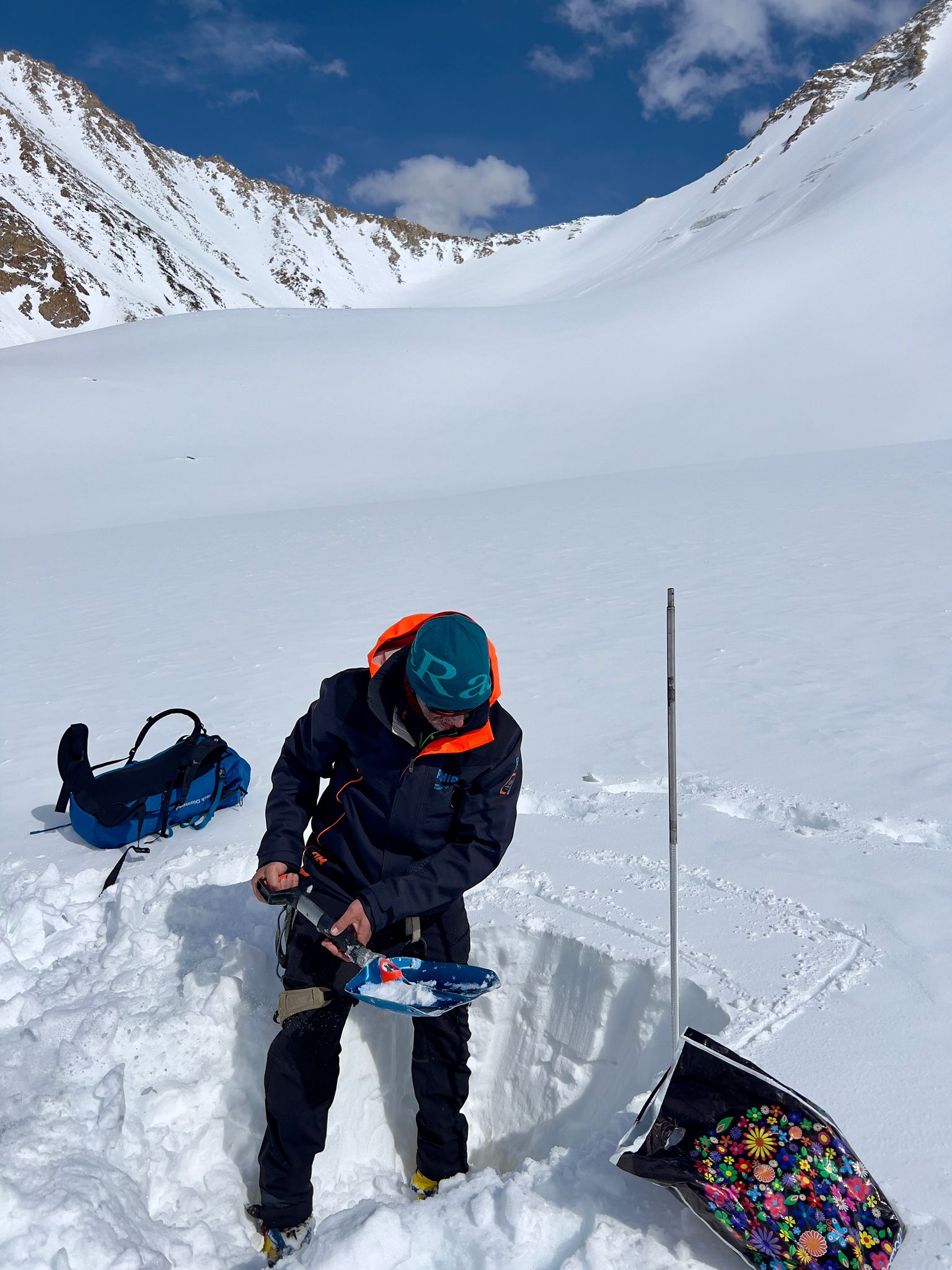
Hofiz Navruzshoev, UCA MSRI Research Associate, explained that research on Glacier No. 457 has been ongoing since 2020, although previous fieldwork mainly focused on summer mass balance due to difficult logistics and harsh climatic conditions.
“Measuring winter mass balance is critically important because it allows us to quantify winter snow accumulation and, together with summer balance data, calculate the glacier’s full annual mass balance,” he said.
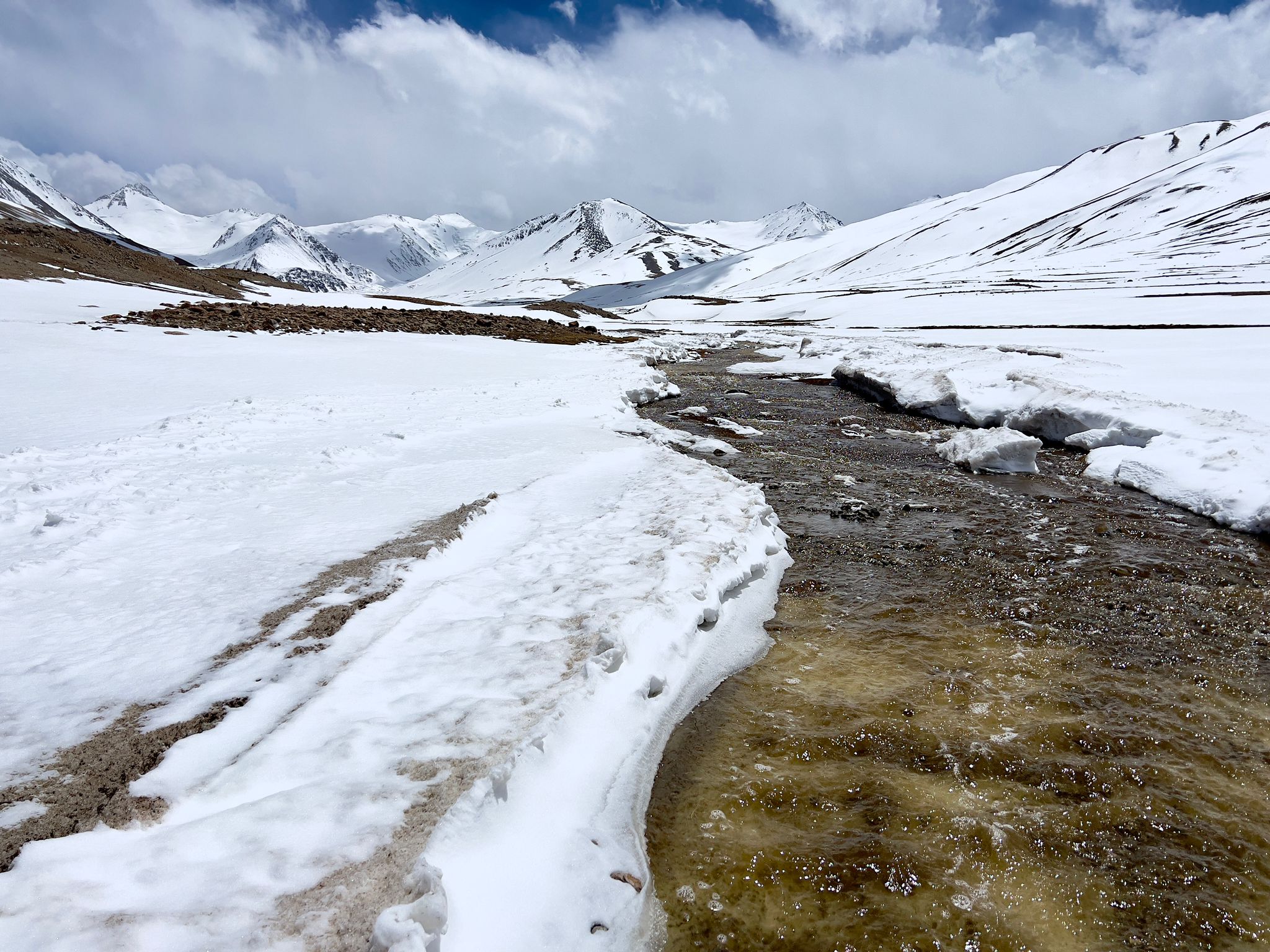
According to Navruzshoev, recent observations reveal an alarming trend: seasonal snow cover is now nearly absent above 5,100 meters in the glacier’s accumulation zone, indicating significant glacier mass loss.
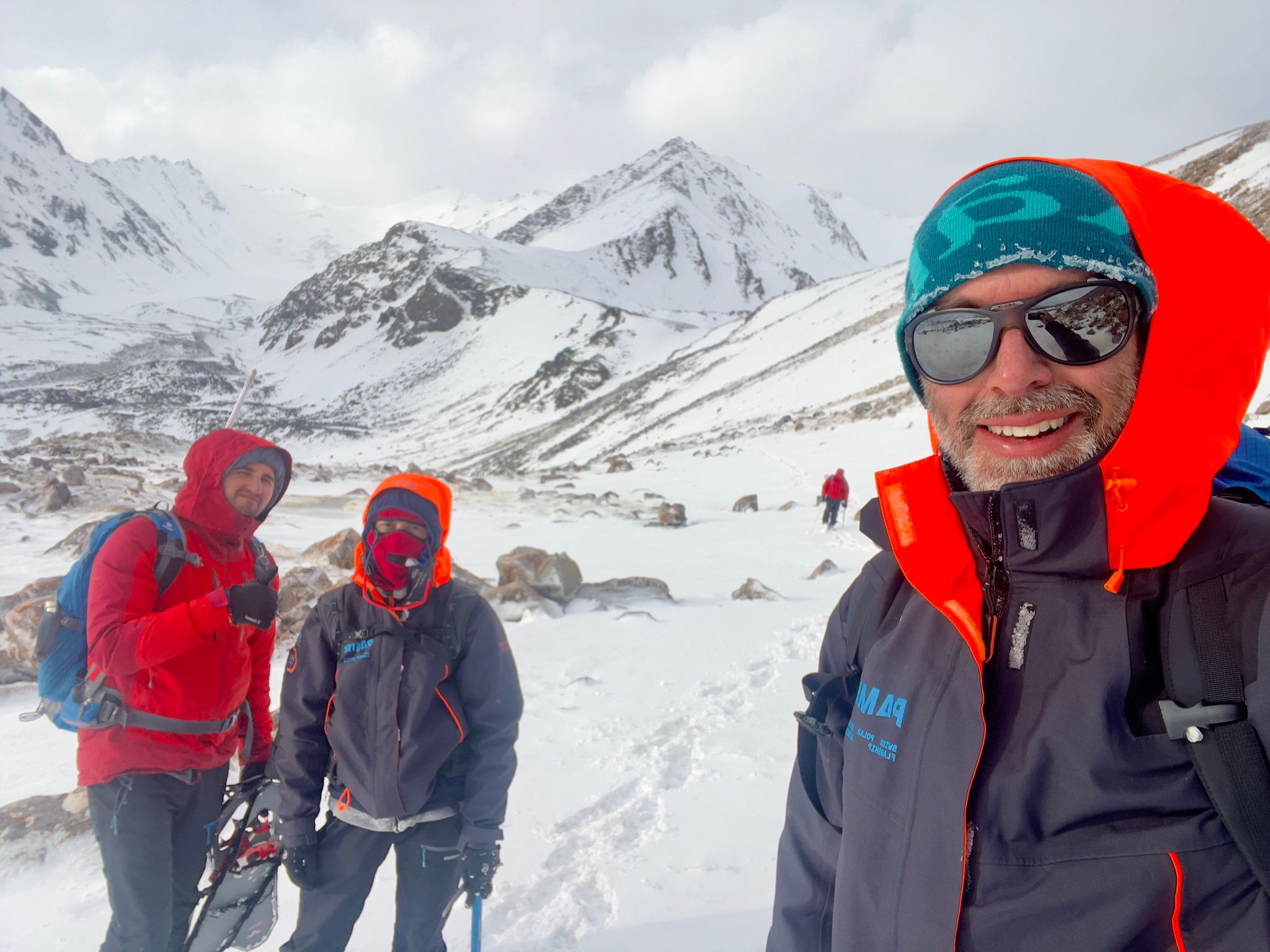
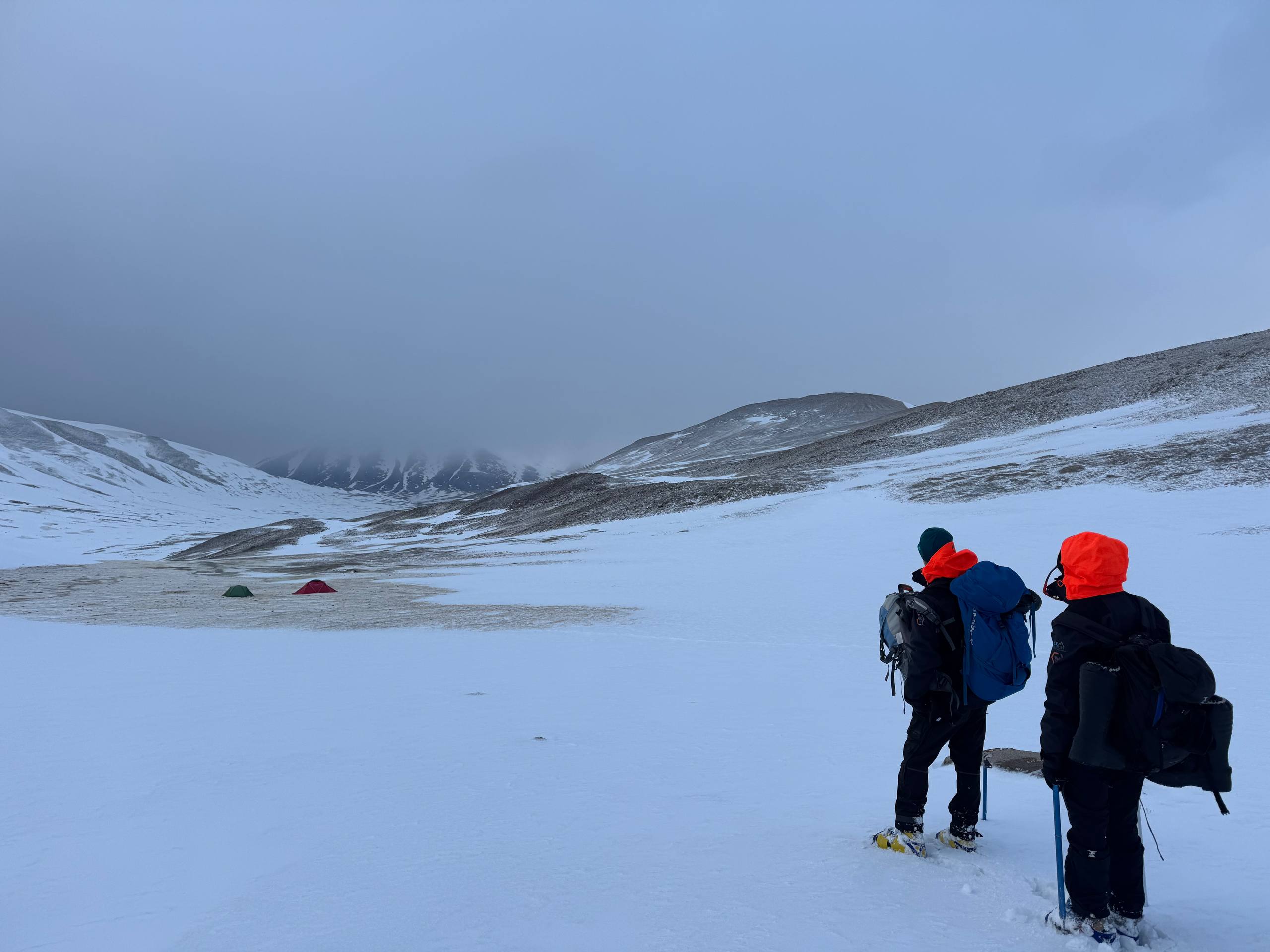
The expedition was carried out under rapidly changing weather conditions. While the morning offered clear skies and good visibility, the team later faced heavy snowfall, strong winds, and near-zero visibility on the glacier.
Denis Samyn, UCA MSRI Senior Research Fellow, noted that conducting research in the high-altitude Pamirs requires not only scientific expertise, but also extensive practical experience in extreme mountain environments.
“High-mountain glaciers are characterised by difficult terrain, glacier crevasses, and highly unstable weather conditions, all of which significantly increase the risks associated with field research,” he explained.
During the expedition, the team established five snow pits at elevations ranging from 4,790 to 5,012 meters above sea level, measured snow depth and density, and collected unique data on the spatial distribution of snow reserves across the glacier surface.
According to Samyn, the collected data are expected to contribute significantly to the development of long-term glacier monitoring systems, improvement of national cryospheric databases, and more accurate forecasting of regional water resource changes.
As a major source of freshwater in Central Asia, Tajikistan’s glaciers play a strategic role in ensuring the region’s environmental, hydrological, and energy security. This expedition lays the foundation for advancing cryospheric research and strengthening scientific capacity in glacier studies across the region.