


UCA Celebrated Nomadic Heritage at the VI World Nomad Games
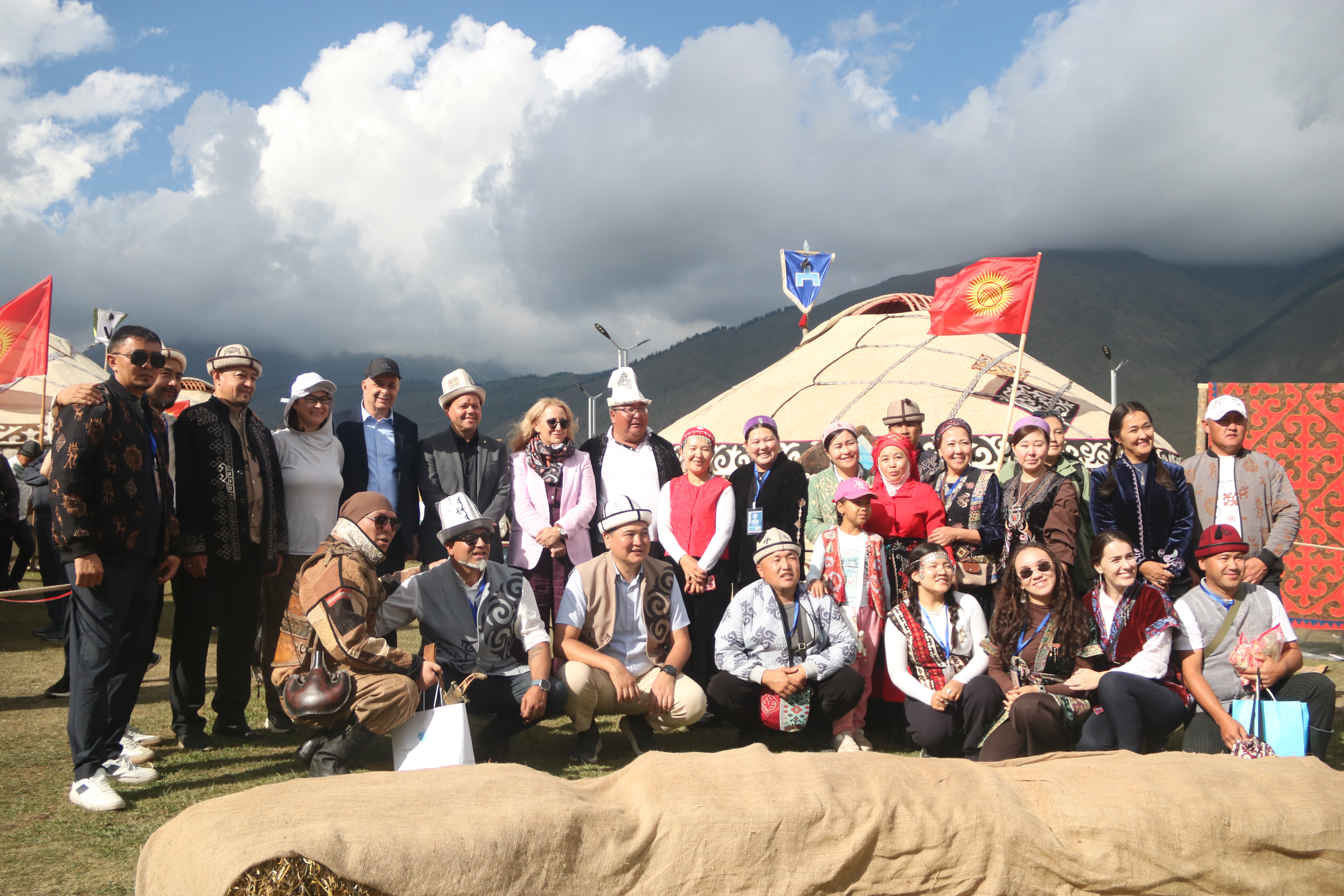
The University of Central Asia (UCA) joined the VI World Nomad Games from 2 to 6 September 2026, presenting a dedicated programme at the Naryn Ordosu pavilion within the Universe of Nomads Ethno-Village at Kyrchyn Jailoo.
Under the theme “Knowledge of the Mountains: Nomadic Heritage and the Future of Mountain Societies,” UCA’s participation highlighted nomadic heritage as a living body of knowledge - one that continues to inform the University’s teaching, research and engagement with mountain societies across Central Asia.
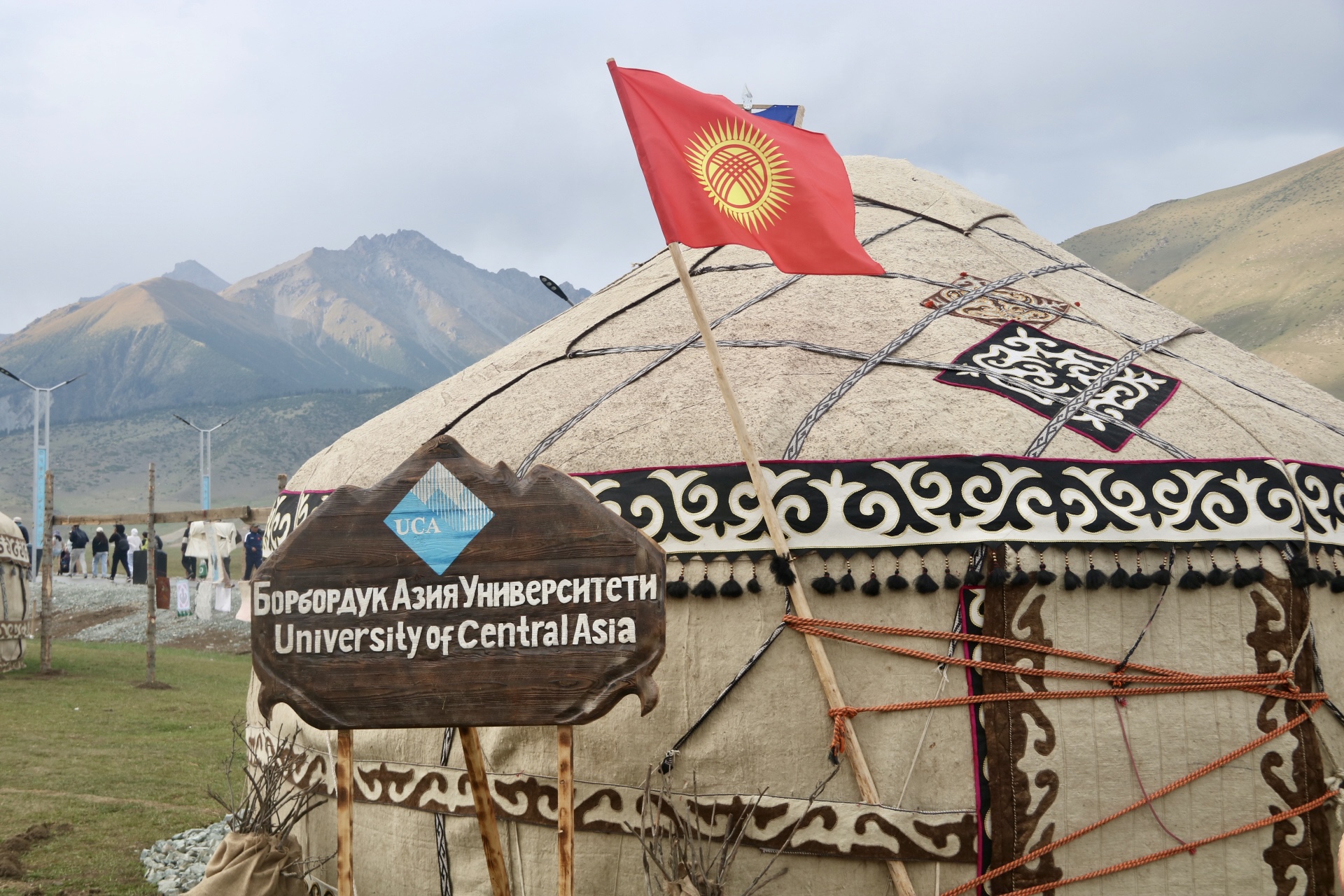
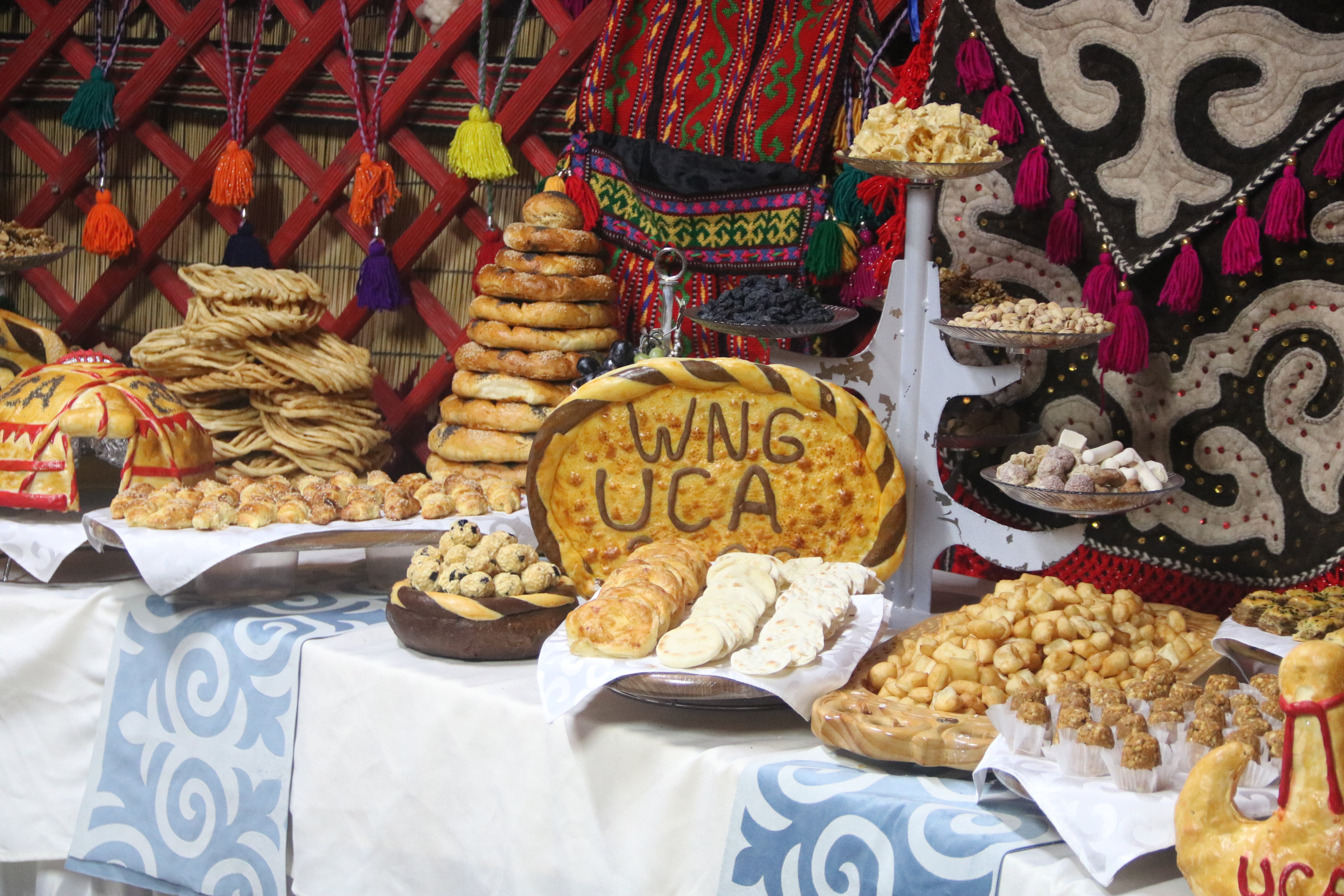
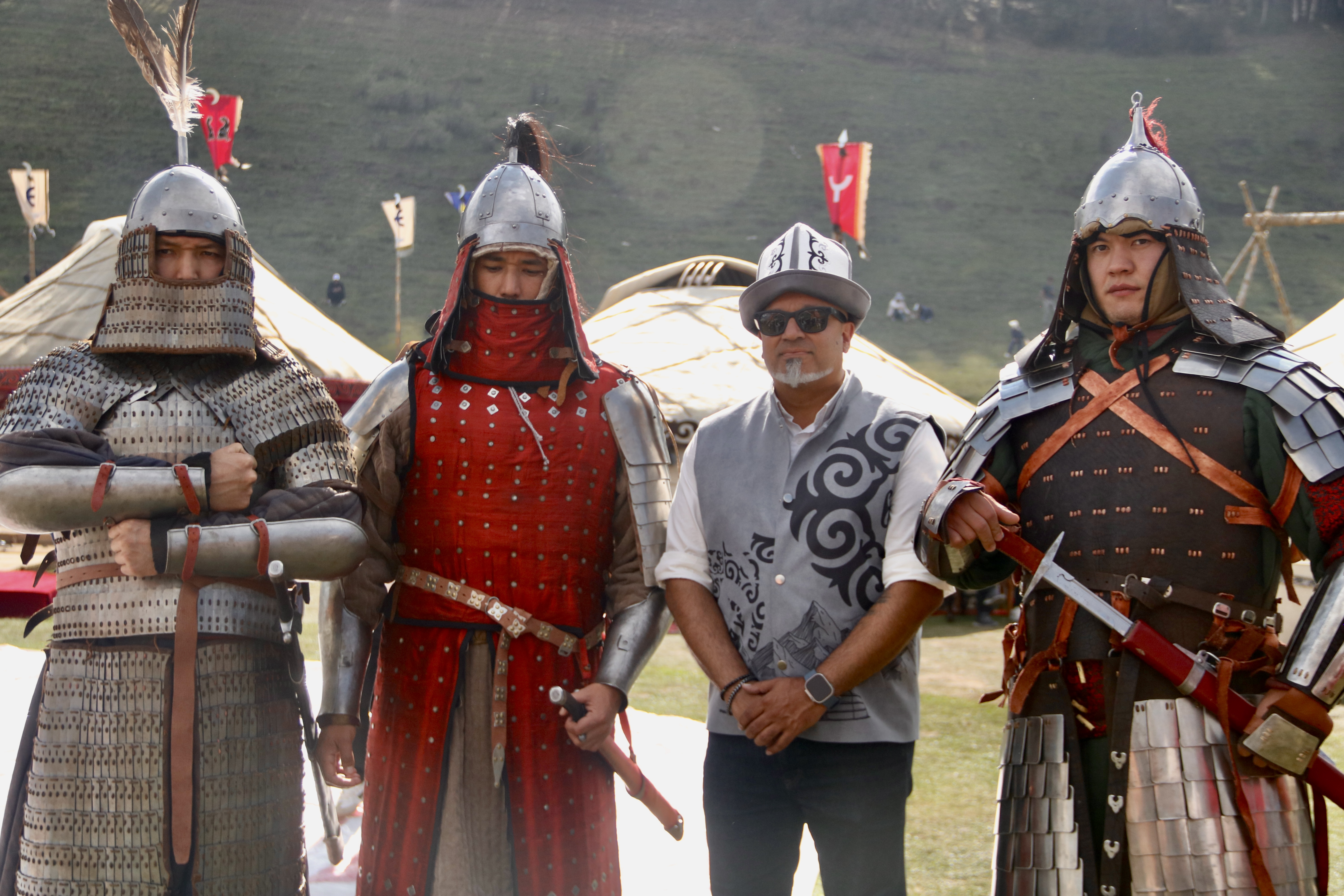
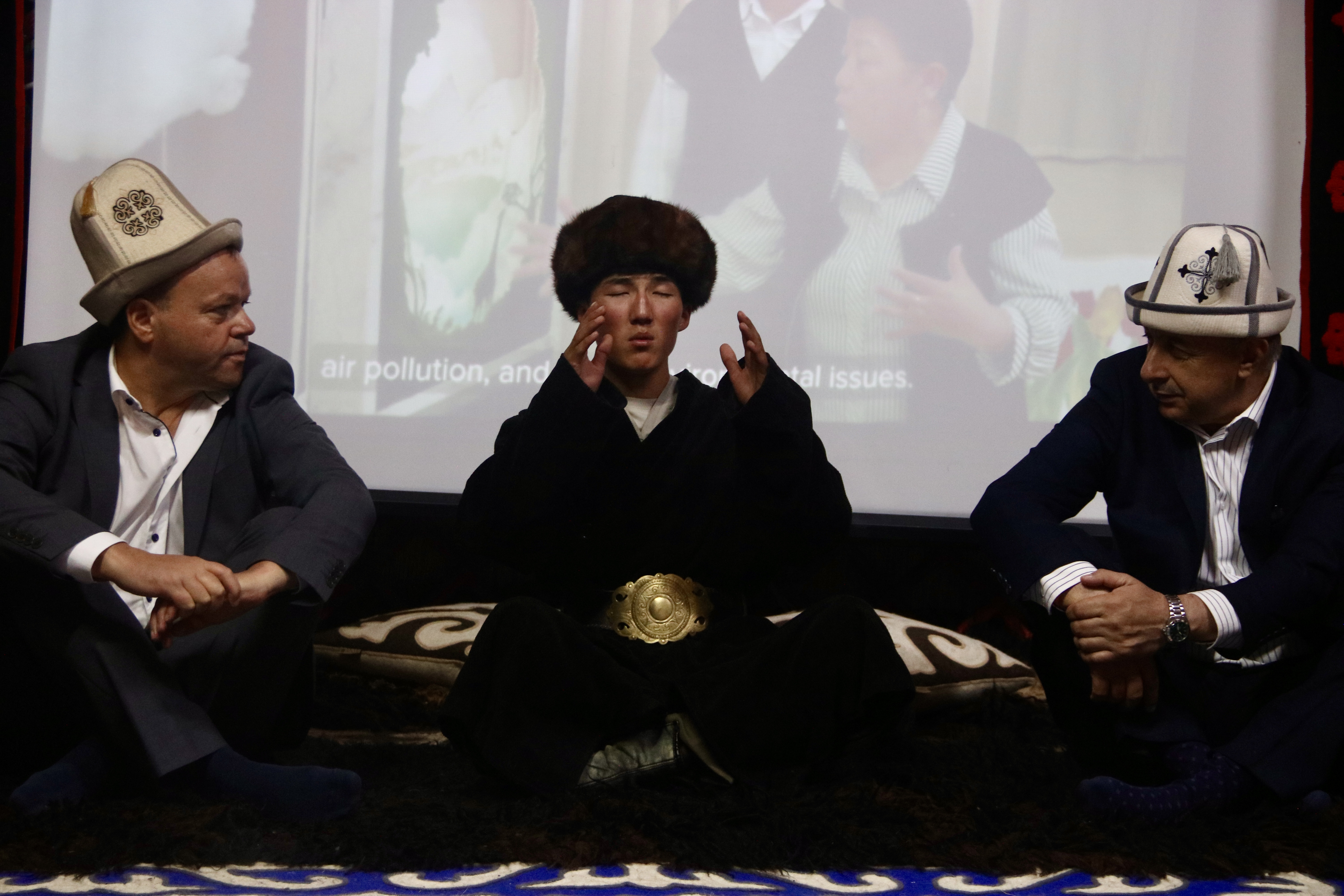
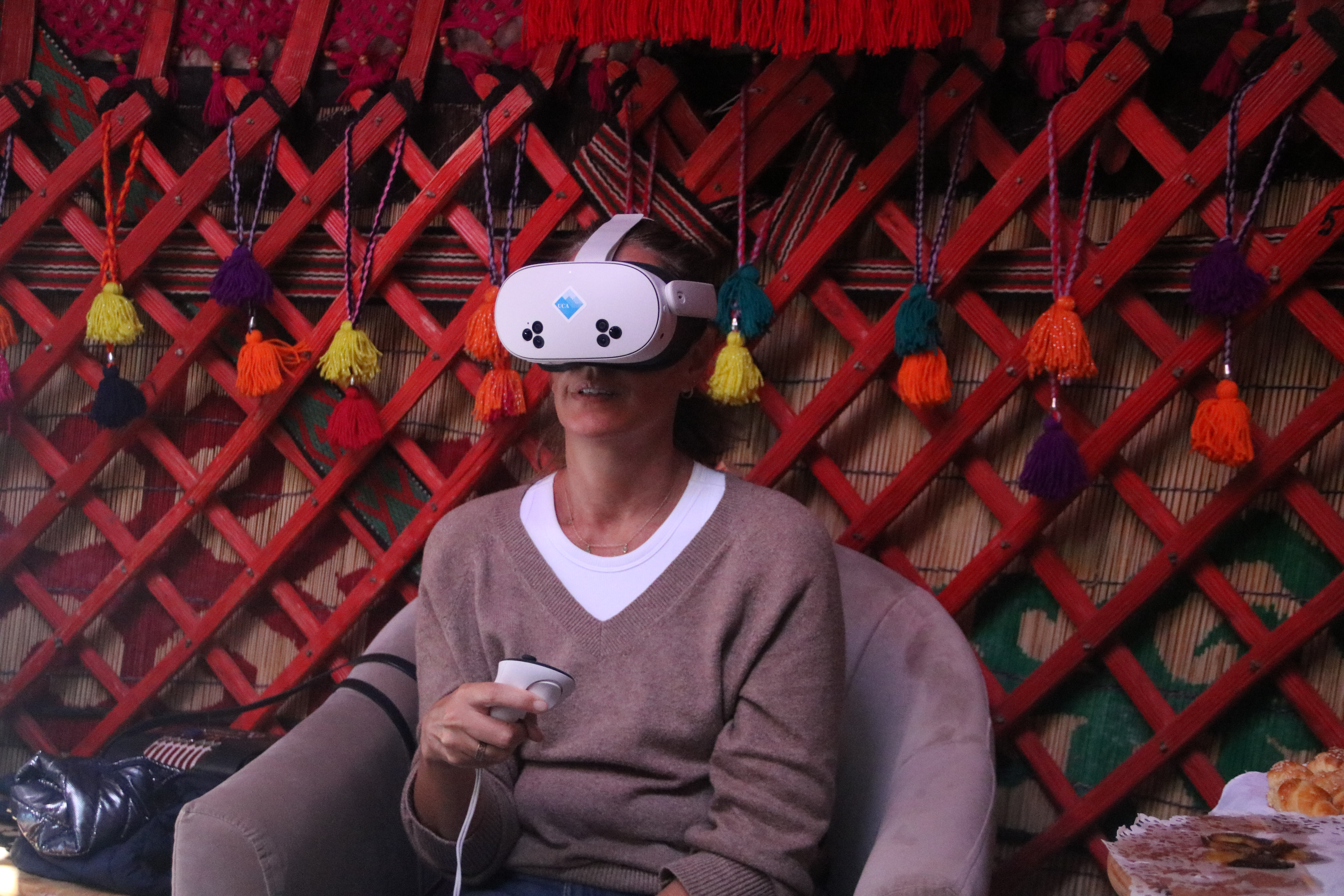
Throughout the five-day programme, UCA welcomed visitors, participants and delegations to its dedicated yurt, offering a diverse programme that connected cultural heritage with contemporary scholarship and education. Activities included a showcase of 8th-century Kyrgyz armour reconstructed by UCA, performances by traditional Kyrgyz oral poets, kurak and tumar craft workshops, film screenings, and presentations on UCA’s work in mountain-societies research, education and the heritage economy.
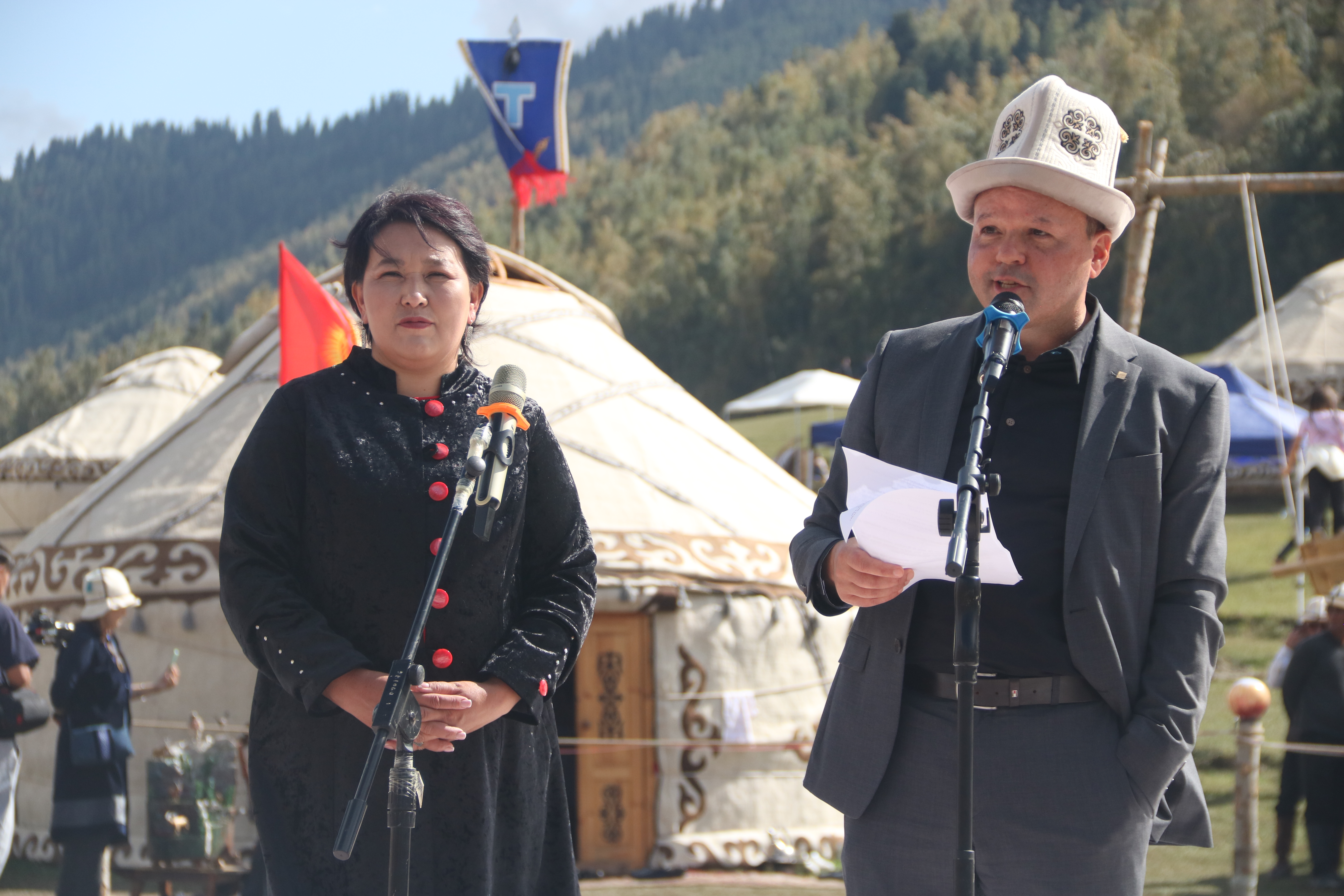
As noted by UCA Rector Christopher J. Gerry, “the World Nomad Games celebrate the living heritage of Central Asia - traditions, knowledge and values passed from one generation to the next. This heritage is deeply connected to UCA’s mission to support the development of the mountain societies of our region.”
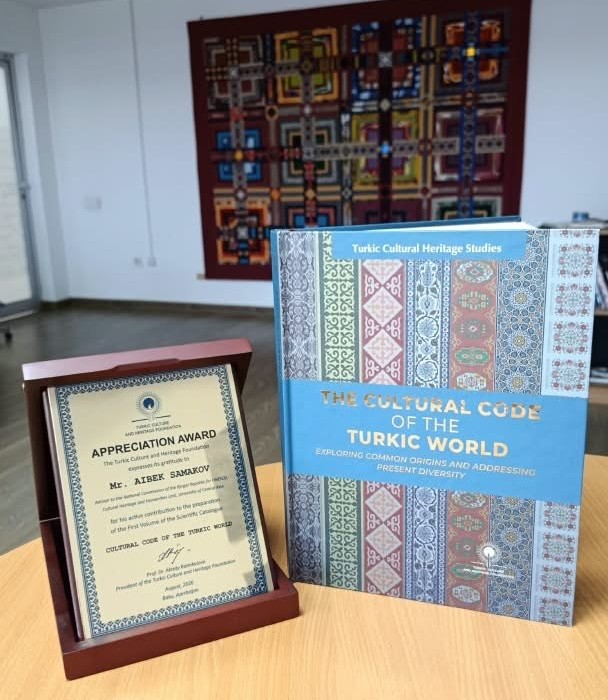
UCA’s engagement also extended to the academic programme of the Games. The University’s Cultural Heritage and Humanities Unit (CHHU) participated in the international scientific conference “Nomadic Civilisations: Heritage, Paradigms, and Perspectives,” held as part of the VI World Nomad Games. During the conference, Dr Aibek Samakov, Associate Director of CHHU, was honoured by the Turkic Culture and Heritage Foundation for his contribution to the “Cultural Code of the Turkic World” catalogue.
Through its presence at the VI World Nomad Games, UCA reaffirmed its commitment to preserving, studying and advancing the knowledge and traditions of mountain societies, while creating opportunities to connect cultural heritage with education, research and the future of the region.